ECRL Testing Progress: What East Coast SMEs Can Prepare Now
ECRL testing has passed the 70% mark. Here is how East Coast businesses can prepare for potential demand while waiting for confirmed service details.
If your East Coast business is preparing for new customers or different delivery patterns around the ECRL, the useful question is what you can organise now without committing money ahead of demand.
BusinessToday reported on September 18, 2026 that more than 70% of the East Coast Rail Link’s testing programme had been completed. That is a reason to review readiness, while keeping business promises tied to confirmed operating information.
What the testing milestone tells you
According to the report, inspections and system tests are progressing along the Kota Bharu–Gombak alignment. Signalling tests are expected to finish in October, ahead of fault-free running and trial operations.
The report places the Phase 1 completion target at the end of 2026, with the Gombak–Port Klang phase scheduled for December 2027. These are project milestones, not a guarantee that every passenger or freight service a business needs will be available at the same time.
Prepare the customer journey before expanding capacity
For a café, shop, accommodation provider or local transport operator, our planning interpretation is to start with access. Work through how a potential customer would reach your premises from a station, how long that connection might take and who would provide it.
A location near a rail corridor does not by itself establish higher sales. Your opening hours, customer fit, service capacity and local connections still need to work together. A small trial offer, once services are confirmed, can provide more useful evidence than a large stock purchase based only on anticipated footfall.
For suppliers, ask customers what they are actually changing. Separate a discussion about future opportunities from a purchase order with quantities, delivery dates and payment terms.
Keep freight assumptions separate from passenger plans
A passenger-readiness announcement does not provide a business with a freight quotation, loading arrangement or delivery commitment. If you are considering a different distribution model, seek confirmation of the specific service, handling requirements and connections your goods would need.
Compare the full journey: collection, loading, transport, unloading and final delivery. Keep your present arrangements in the comparison until an alternative can meet the required timing and reliability. This is a planning method, not a forecast of ECRL freight prices or availability.
Four checks before taking on new costs
- Demand: Which expected sales are backed by bookings or orders, and which remain assumptions?
- Capacity: Can existing staff, vehicles and equipment handle a modest increase first?
- Timing: What happens if customer demand arrives later than expected?
- Flexibility: Which purchases can be staged, and which would create an immediate fixed monthly cost?
Keep a current-trading scenario alongside any growth case. That makes it easier to see whether a proposed commitment depends entirely on an opening date or a sales increase that has not yet been confirmed.
The next useful signals are confirmed service details and evidence of what customers actually do. Businesses that prepare practical options can respond as those signals become clearer.
Where an equipment discussion fits
If confirmed work creates a specific vehicle or machinery requirement, you can review Ing Heng’s equipment options and discuss financing against the quotation and expected cash timing. The railway milestone is context; your own operating requirement should drive the decision.
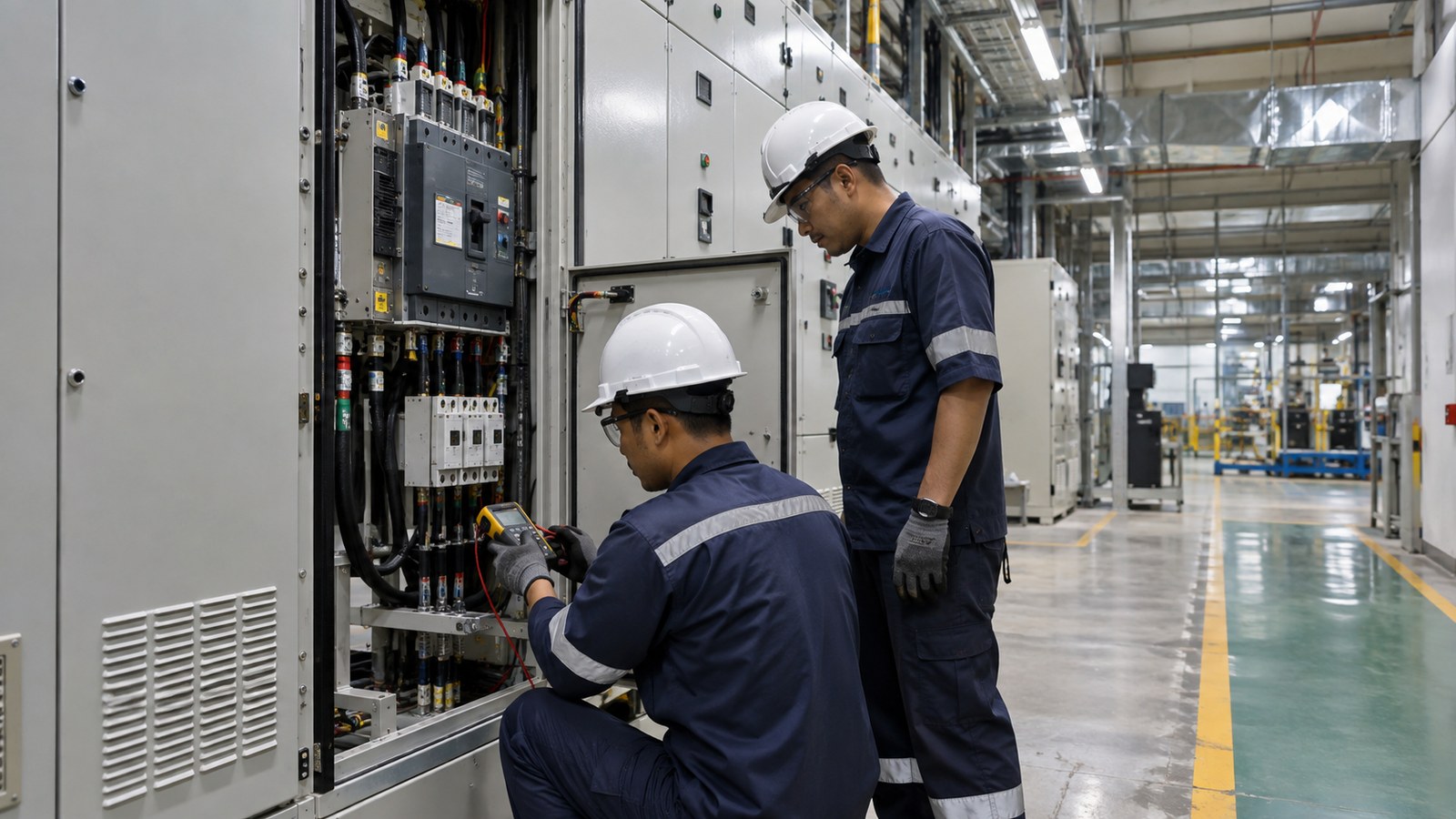
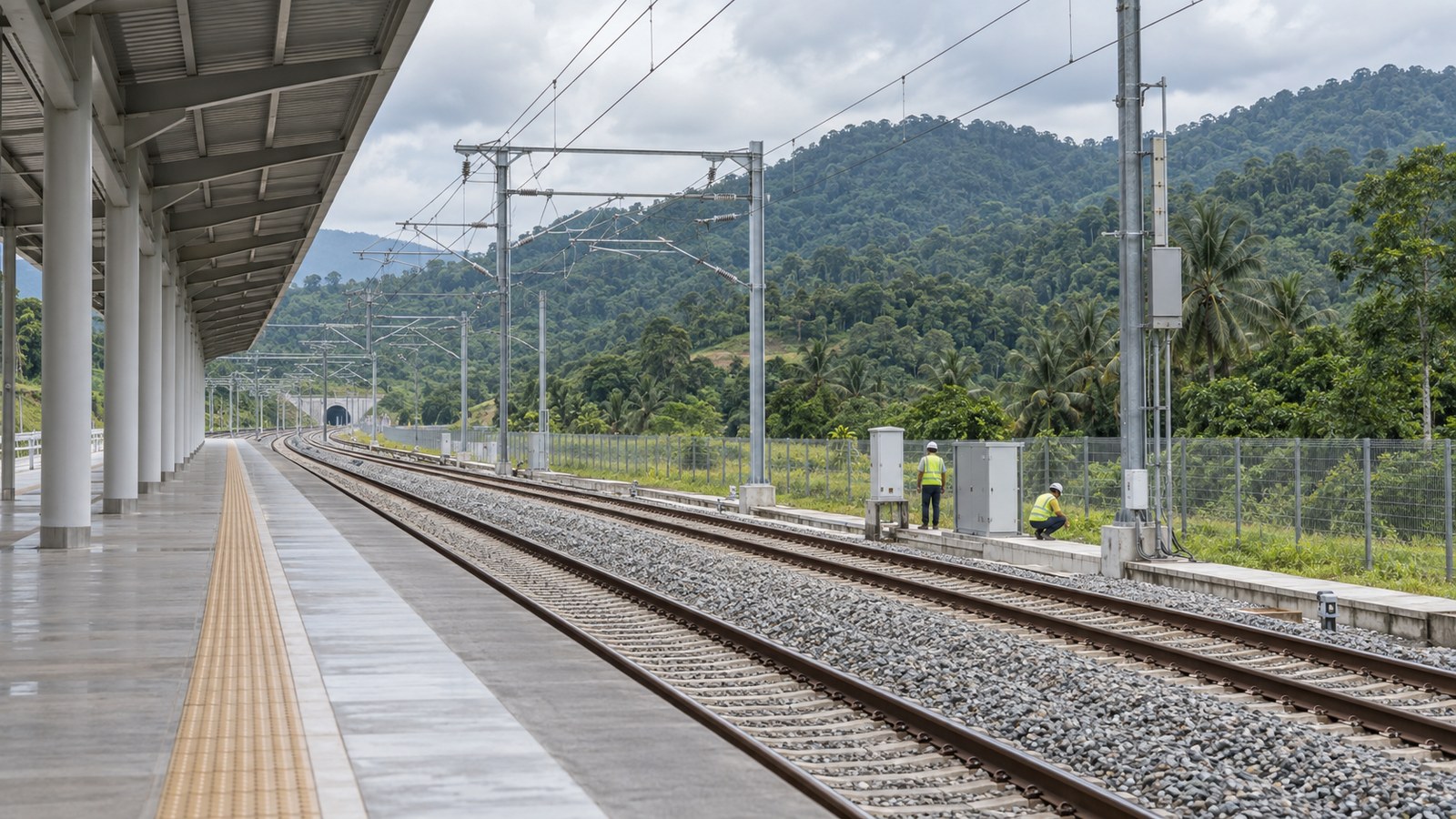
Source: BusinessToday, “MRL Says Over 70% Of ECRL Testing Programme Completed”, September 18, 2026. The business-planning discussion is Ing Heng’s interpretation. The generated image is illustrative and does not document an actual ECRL inspection.
Questions Business Owners Ask
Does the testing milestone mean ECRL services are open?
No. Testing progress is a readiness milestone. Businesses still need confirmed operating information before making customer promises or transport commitments.
What can a small business prepare before service details are confirmed?
Map customer access, identify potential bottlenecks, ask suppliers about lead times and compare a cautious demand scenario with current trading.
Should an SME buy equipment because of the ECRL announcement?
The announcement alone does not establish a business case. Consider confirmed orders, existing utilisation, total costs and whether the commitment remains manageable if extra demand arrives later.