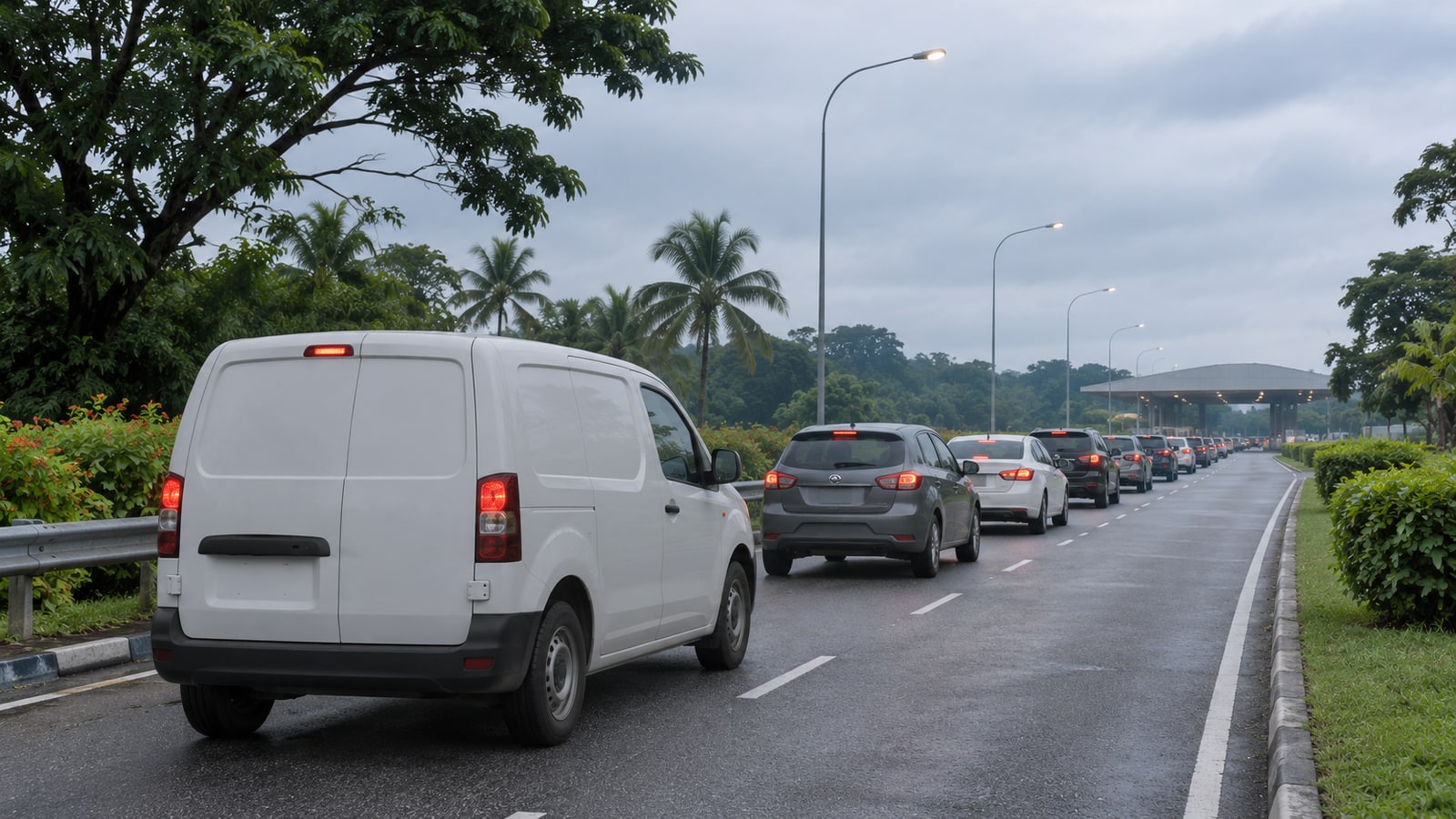
Penang's cruise strategy: plan for the hours visitors are ashore
Penang's proposed 3I cruise strategy puts local services in focus. Match stock, staffing and equipment to confirmed arrival windows and customer bookings.
A cruise ship can bring a busy few hours to Penang. For a local food, retail or transport business, the useful planning question is when visitors can reach your service, what they have booked and how much capacity you can use during that window.
BERNAMA reported on 31 October that Penang Port Commission chairman Datuk Yeoh Soon Hin had proposed a three-part strategy to develop cruise tourism. The report followed the maiden call of Navigator of the Seas at Swettenham Pier Cruise Terminal on 30 October.
The proposal gives local operators a reason to examine their readiness. It does not establish the sales, appointment or equipment requirement of any individual business. The operating checks below are our commentary on that distinction.
Three priorities, with local coordination at the centre
The reported priorities are to improve port facilities and services, introduce new international cruise routes, and intensify cooperation between ports and the tourism industry. Yeoh also proposed bringing together travel agencies, guides, transport operators, food businesses and creative-industry participants to develop shore excursions.
For a small operator, coordination may be the most immediate question to explore. A meal stop, shop visit and transport booking have to fit the same passenger itinerary. Extra stock at one business cannot solve a missing pickup arrangement at another.
These remain proposed directions. The report does not provide your business with a confirmed new route, a procurement invitation, an operating permission or a customer contract.
Start with the actual shore-visit window
Before adding a shift or reserving equipment, ask the party arranging the work for the service dates, likely group size, pickup point, return deadline and person responsible for changes. Confirm which details are agreed and which are provisional.
A useful capacity plan follows the whole service window. For example, a food operator considering a group booking would need to assess preparation, serving and clearing time, rather than simply the ship’s time in port. A transport operator would need to check the actual route and availability against other agreed work.
These are planning examples, not reported problems at the terminal. Access, safety and any service-specific requirements need checking with the responsible parties for the actual job.
Separate a visitor forecast from a paid order
Passenger movements, shore visits, enquiries, bookings and paid sales describe different things. Keep them separate when estimating demand. A large ship does not tell you how many visitors will use your business or what they will buy.
For an agreed group service, establish who pays, what the price covers, when payment is due and what happens if the booking changes. Avoid committing the same staff, stock or vehicle capacity to overlapping customers.
For walk-in trade, compare preparation with your own observed demand and the stock you can use afterward. Perishable food, reusable supplies and hired equipment carry different consequences when the expected rush is smaller than planned.
Check the cost of capacity between calls
An equipment purchase creates commitments beyond the busiest hours. Before buying, identify its intended tasks, the work already agreed and a credible use between cruise calls. Record prospective demand separately.
Compare actual purchase and hire quotations where both are suitable. Include delivery, setup, operating responsibilities, maintenance and the period you need the equipment. Confirm technical suitability with the relevant supplier; a tourism announcement cannot establish it.
The practical test is whether the service plan supports the commitment on the terms you can verify. More capacity helps only when it addresses a real constraint in the work your business can perform.
Watch for agreements you can operate against
Confirmed call information, workable partnerships and clear service arrangements would make the opportunity easier to assess. Revisit your plan when those details change, using your own bookings and results to decide whether expansion is justified.
If you have identified a defined equipment need, Ing Heng’s equipment financing information provides a starting point for a separate discussion. Bring the quotation, expected service dates, operating costs and customer payment terms. A financing discussion does not confirm tourism demand, technical suitability or permission to provide a service.
Source: BERNAMA, “Penang Seeks To Boost Cruise Tourism With New ‘3I Strategy’”, published 31 October 2026 at 11:34 Malaysia time. The reported maiden call was on 30 October; this article’s daily story date is 31 October. The business-planning examples are Ing Heng’s commentary.
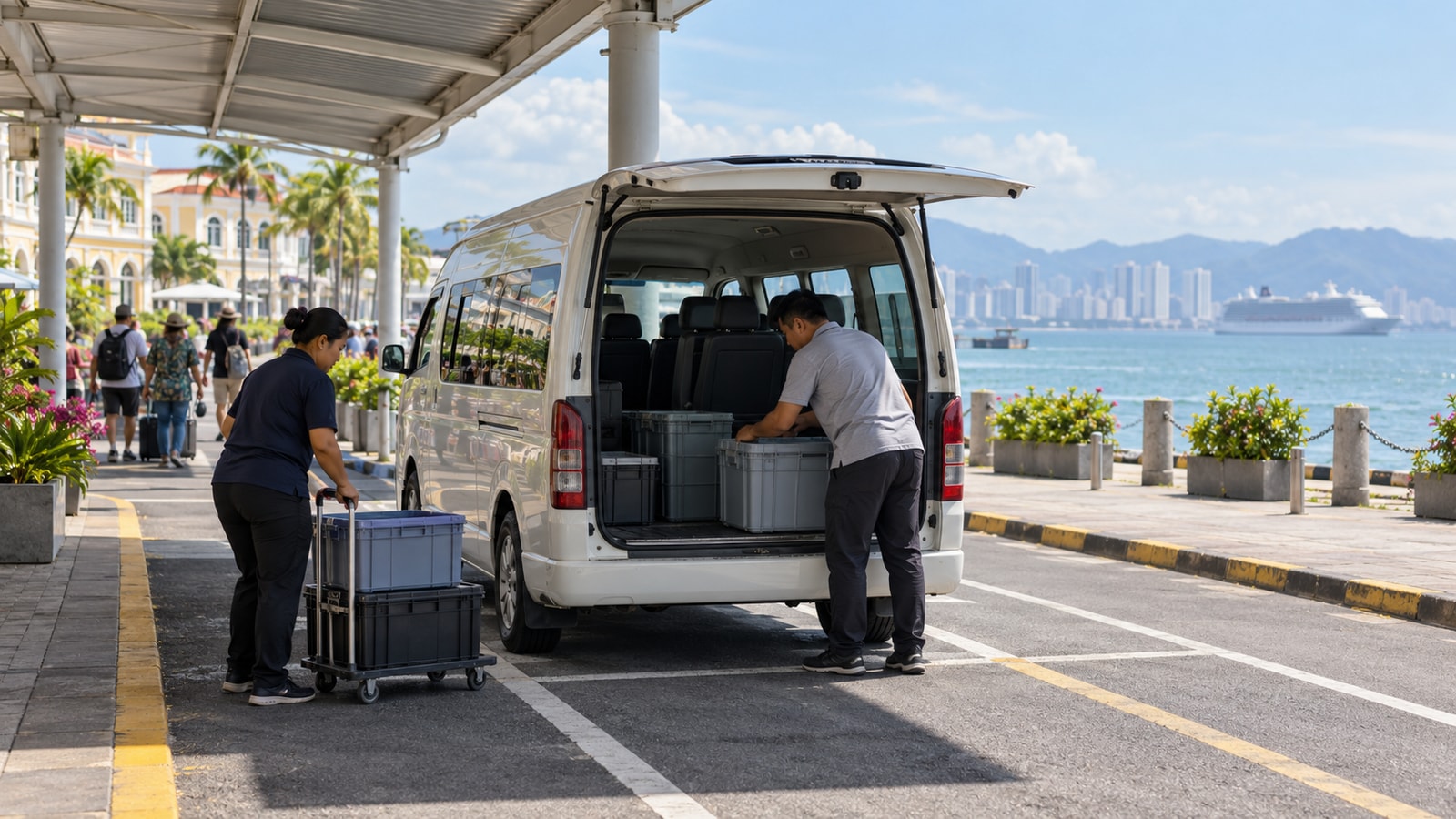
Image: AI-generated editorial illustration of a generic Malaysian waterfront pickup area; it does not depict the actual terminal, named vessel or any operator’s premises.
Questions Business Owners Ask
What is Penang's proposed 3I cruise-tourism strategy?
BERNAMA's 31 October 2026 report attributes three proposed priorities to the Penang Port Commission chairman: improve port facilities and services, introduce new international cruise routes, and intensify cooperation between ports and the tourism industry. These are proposed directions, not confirmed orders for individual businesses.
Does a cruise arrival confirm sales for my business?
No. A ship arrival or passenger figure does not establish your bookings, customer spending or paid orders. Check the actual service window, customer agreement, access arrangements and payment terms before committing stock or equipment.
What should I prepare before discussing equipment financing?
Prepare the equipment quotation, intended tasks, confirmed service dates, expected operating costs and customer payment terms. Show prospective work separately and consider how the equipment would be used between cruise calls. Financing approval and permission to provide a service remain separate decisions.