OGSE suppliers: match equipment investment to the capability customers need
PETRONAS urges Malaysian OGSE firms to build scale and innovation. Check customer requirements, equipment fit and partner responsibilities before investing.
Before buying a machine for oil-and-gas work, put the customer’s requirement into words. Which job must your workshop perform, what can your current setup deliver, and what evidence will show that the work meets the agreed requirement? Those answers give an equipment quotation a purpose.
In a report published on 14 October, BERNAMA said PETRONAS had urged Malaysia’s oil and gas services and equipment industry, known as OGSE, to build scale, strengthen innovation and develop more distinctive capabilities. The report describes remarks at Oil and Gas Asia, held from 2 to 4 September 2026. Today’s report date should not be mistaken for the event date.
PETRONAS’ Group Procurement vice president Rashidah Alias highlighted collaboration and investment in technology and talent. For a smaller engineering supplier, the practical question is which capability needs attention first. The checks below are Ing Heng’s business interpretation of the report, rather than PETRONAS procurement or technical instructions.
Name the capability your customer needs
Start with an actual enquiry, agreed work scope or recurring requirement that you can verify. Identify the component or service, the work your business will undertake, and any inspection or documentation the customer requires.
Then describe the gap in your present setup. Is it a machining operation you cannot perform, a measurement you cannot verify, a turnaround your workshop cannot sustain, or a skill your team still needs? A different gap can call for a different investment.
Keep a broad industry growth message separate from that evidence. It may help explain why suppliers are developing their businesses, but it does not establish demand for your particular machine or service.
Define acceptance before comparing quotations
A specification tells you what equipment is offered. Your purchase brief also needs to explain the work it must support and how the result will be checked.
Ask the appropriate customer and qualified technical provider to clarify the relevant requirements. Where a trial or demonstration is useful, agree what it should show and what remains to be confirmed. Do not assume that a supplier’s general demonstration proves suitability for every component or operating condition.
This makes quotations easier to compare. You can ask each provider about the same required task, supporting tools, installation work, training and service arrangements. A lower headline price is only one part of that comparison.
Compare partner options alongside ownership
BERNAMA’s report also puts collaboration in focus. A workshop can consider whether a partner already has a complementary process or skill before deciding to bring that work in-house.
For any proposed arrangement, clarify who performs each task, who checks the finished work, who communicates with the customer and who handles a problem or delay. Establish how information, components and payment will move between the businesses.
Compare those responsibilities with owning the equipment yourself. Consider the work you can support, the availability you need and the obligations your team would take on. The suitable choice depends on your own job and commercial agreement.
Plan the work around the machine
An equipment budget should include the supporting work required to use it. Depending on the quotation and intended operation, ask about delivery, installation, utilities, tooling, training and maintenance support.
Map those commitments against your actual customer milestones and payment terms. If you need to pay for materials, partner services or labour before receiving payment, include that period in the plan. Use confirmed terms for your own job; the industry report provides no payment schedule for your business.
Before committing, bring the requirement, technical questions, quotation and delivery plan together in one purchase brief. That gives your team a clear reason for the investment and identifies the evidence still needed.
Discuss financing with the equipment brief ready
If financing forms part of your purchase decision, review Ing Heng’s equipment-financing information and prepare the intended use, machine details and supplier quotation for a discussion. Keep the equipment’s suitability and your delivery commitments within that conversation.
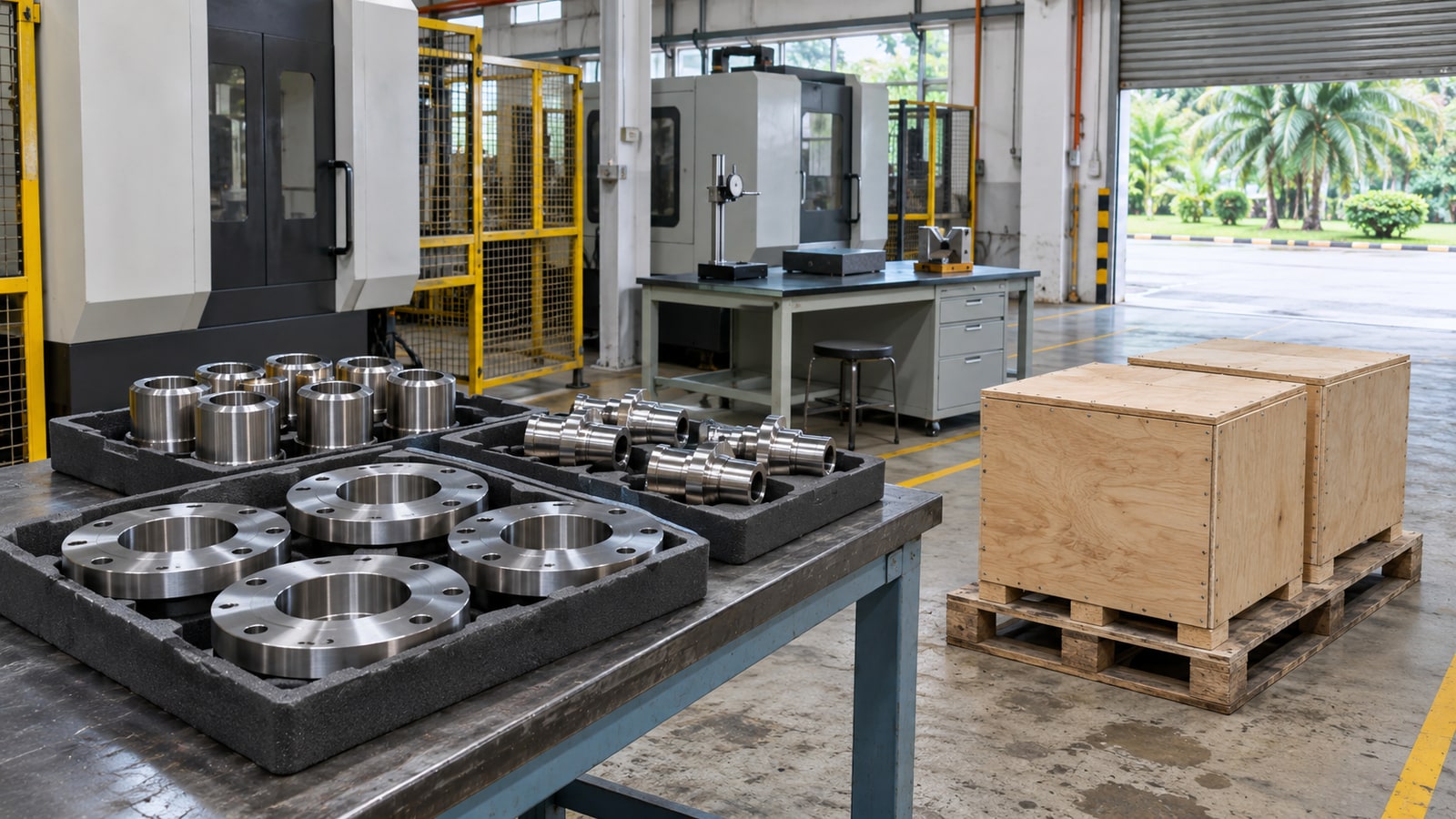
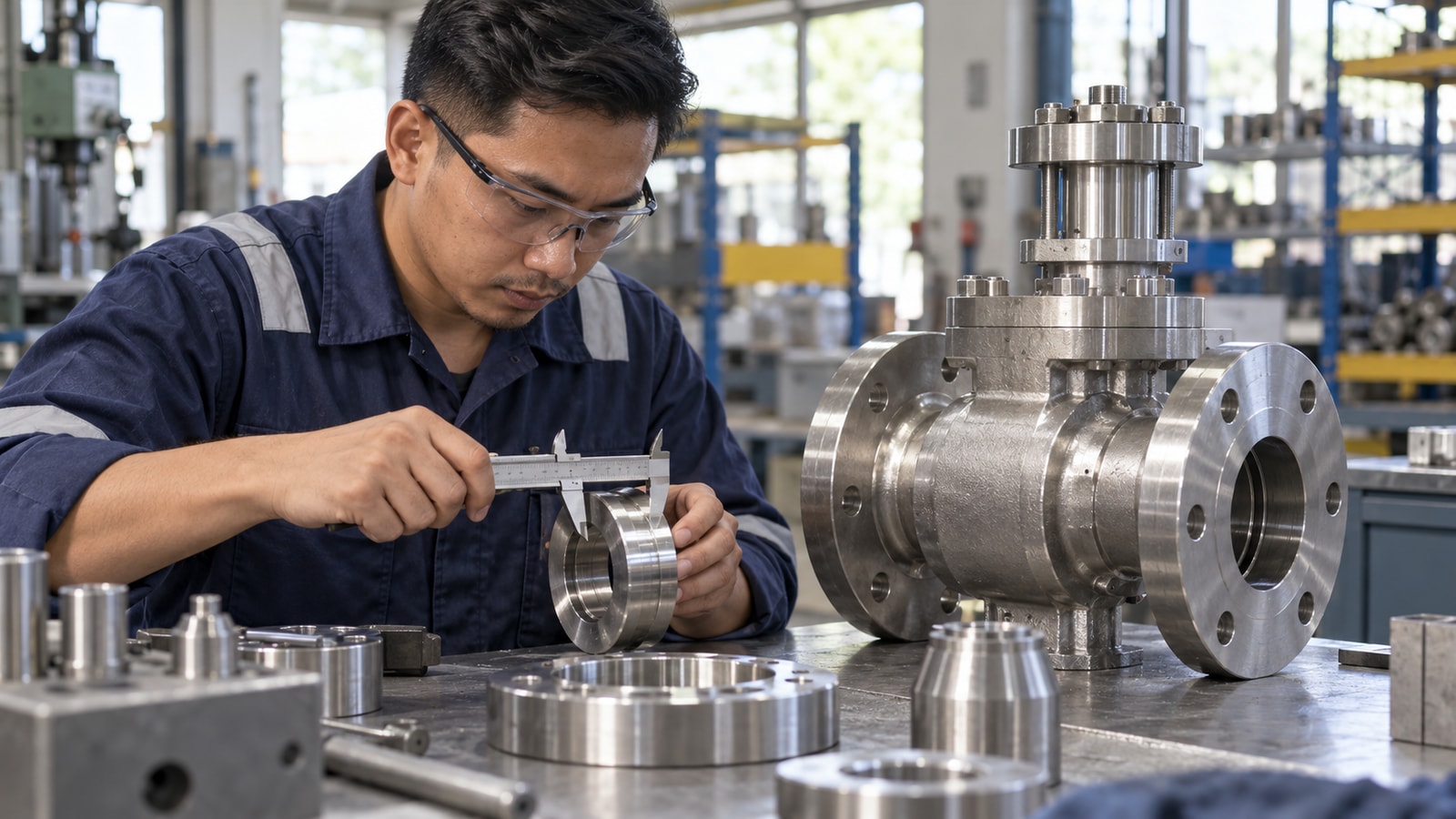
Source: BERNAMA, “OGSE Industry Must Scale Up And Innovate To Boost Competitiveness — Petronas”, published 14 October 2026. Read the original report. The practical supplier checks are Ing Heng’s interpretation. The image is an original generated illustration of a generic workshop, not a photograph of PETRONAS or the event.
A financing option related to this article
Compare the relevant financing route and documents before committing to a purchase.
Machinery financingQuestions Business Owners Ask
When was the PETRONAS OGSE message reported, and when did the event take place?
BERNAMA published the report on 14 October 2026. It describes remarks at Oil and Gas Asia, which was held from 2 to 4 September 2026. The report date and event dates are different.
Does the report confirm a customer order or a required machine for my business?
No. It discusses industry capability, collaboration and competitiveness. It does not establish an order, machinery specification, supplier acceptance or purchase requirement for an individual business.
What should I establish before buying equipment to improve supplier capability?
Define the customer's actual requirement, the gap in your current capability, how the work will be accepted and the responsibilities of any partners. Compare equipment and service options against that brief, including installation, support and the cash needed to deliver.