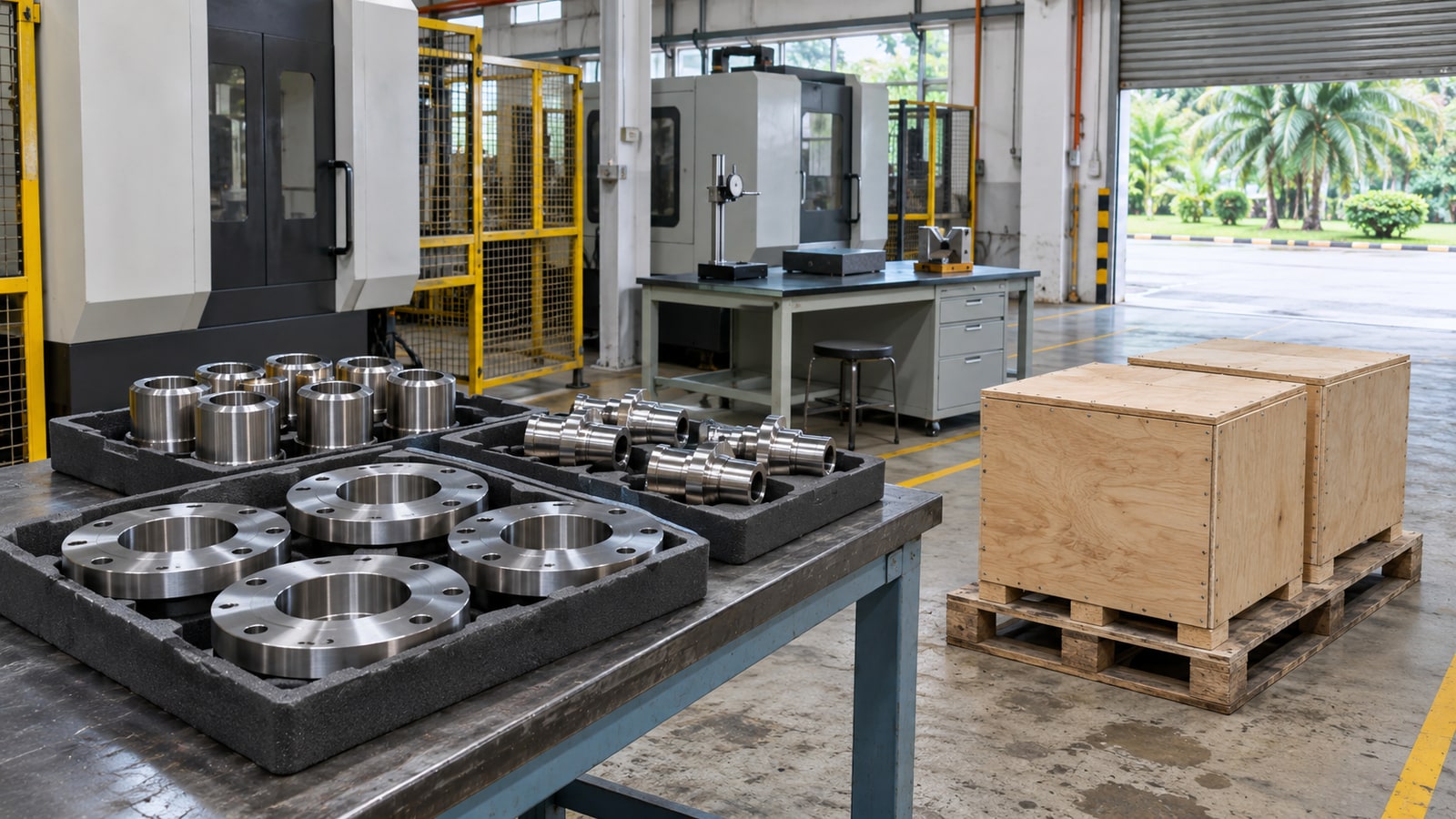
Safran's Malaysia expansion puts supplier readiness before machinery orders
Safran is expanding carbon-brake manufacturing and MRO in Malaysia. Local workshops should confirm the work, machine scope and payment timing before buying.
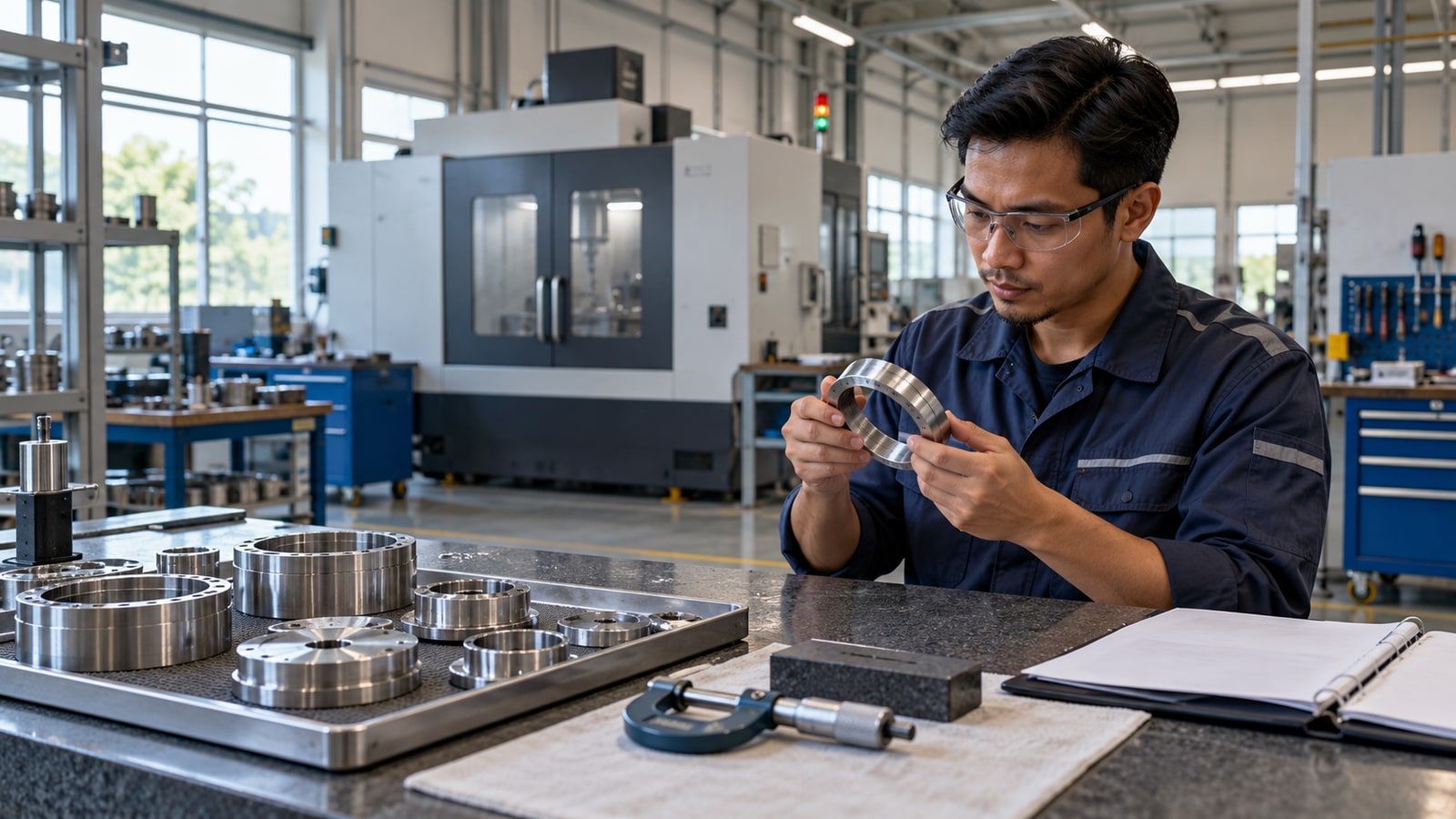
An aerospace expansion can give a Malaysian workshop a reason to review its capacity. Before it gives you a reason to order another machine, identify the work that machine would actually perform, who would buy the output and when payment could arrive.
Safran’s 28 October announcement, covered in BusinessToday’s 29 October reporting, describes expanded carbon-brake manufacturing and refurbishment in Sendayan and a new maintenance, repair and overhaul (MRO) centre in Nilai. It is a concrete industrial development. An individual supplier’s next purchase still needs its own commercial case.
Two Malaysian sites, different industrial roles
Safran identifies EUR134 million for the Sendayan expansion and EUR2 million for the Nilai MRO centre. The company says Sendayan’s carbon-brake disc production capacity will double by 2028.
Keep that future capacity milestone separate from today’s purchasing decision. Manufacturing expansion and maintenance operations can involve different work, equipment and delivery arrangements. The announcement does not identify an available job for your workshop or prescribe the machine you should buy.
An expansion headline is not a purchase order
Our view for local workshop owners is to treat the news as a reason to investigate demand, rather than count it as booked revenue. A promising discussion, a request for a quotation and an agreed order each support a different level of commitment.
Safran’s supplier-relations page describes supplier selection with attention to total purchasing cost, project information and mutual dependency. That general statement does not establish a particular workshop’s eligibility or provide the requirements for a specific part.
If a potential customer approaches you, confirm its identity and the actual scope. Ask what remains to be agreed before production can start. Do not infer an approved supplier relationship from the investment announcement, a machine dealer’s description or proximity to the new facilities.
Match the machine to the confirmed job
A useful machinery quotation begins with the work: the intended component or service, the required process and the output the customer expects. Technical requirements need confirmation from the relevant customer and qualified specialists; a general expansion story cannot supply them.
Then check what sits around the machine. Tooling, fixtures, inspection equipment, installation, training and maintenance may affect the purchase commitment. Establish which items are included in the seller’s quotation and which remain separate. This is a purchasing discussion, not a substitute for engineering or quality approval.
For a workshop considering an upgrade, ask whether the proposed machine also serves existing confirmed work. Depending entirely on one prospective customer makes the purchase decision more sensitive to that customer’s timing. Any alternative use should be realistic and checked, not added to a forecast merely to justify the order.
Test the gap before customer receipts
Write down the sequence from the supplier’s first payment request to the workshop’s first expected customer receipt. Distinguish equipment delivery, installation, production readiness, customer acceptance and payment. They need not happen together.
Where dates or terms remain unagreed, show that uncertainty in the cash plan. Consider what the business would need to fund if paid production started later than expected. That is a planning scenario, not a prediction that this expansion or any customer’s work will be delayed.
Watch for work you can verify
The next useful signal is specific work that your business can assess: a verified enquiry, an agreed scope, the applicable customer requirements and realistic payment terms. Further investment activity could create conversations, but the announcement alone cannot establish their value or outcome.
Keeping these checks together helps turn a broad growth story into a bounded business decision. It also leaves room to wait, revise the equipment scope or use existing capacity if the work is still uncertain.
Bring a defined machinery purchase into financing
Once the intended work and purchase scope are clear, discuss the quotation through Ing Heng’s equipment financing service. Include tooling and installation costs, the expected start of paid work and payment milestones. Financing remains subject to assessment and agreed terms; it does not establish supplier approval, customer orders or technical suitability.
Sources: Safran, “Safran strengthens its presence in Asia-Pacific with the expansion of its carbon brake facility and the opening of a new MRO center in Malaysia”, published 28 October 2026; Safran’s supplier-relations page, reviewed 29 October 2026, both linked above. BusinessToday reported the investment on 29 October 2026. The image is a generated illustration of a fictional precision workshop, not a photograph of a Safran facility or an approved supplier.
A financing option related to this article
Compare the relevant financing route and documents before committing to a purchase.
Machinery financingQuestions Business Owners Ask
What has Safran announced in Malaysia?
Safran's 28 October 2026 announcement covers an expanded carbon-brake manufacturing and refurbishment facility in Sendayan and a new MRO centre in Nilai. It identifies EUR134 million for Sendayan and EUR2 million for Nilai. These are company investments, not a financing scheme for local suppliers.
Does the expansion confirm work for a Malaysian workshop?
The announcement does not establish an order or approved supplier status for an individual workshop. Confirm any actual procurement opportunity, work scope and customer requirements directly through the relevant verified business channel before committing to machinery.
What should accompany a machinery financing discussion?
Bring the equipment quotation, intended job, tooling and installation scope, expected production start and payment milestones. Distinguish confirmed work from prospective work. Financing is assessed separately and does not confer supplier approval or establish technical suitability.