Malaysia's RM2.10 Diesel Price From July 1 Matters If Your Business Runs On Transport
BusinessToday reported on 21 June 2026 that subsidised diesel for Malaysians will fall to RM2.10 per litre from 1 July under a MyKad-based mechanism. For SMEs and operators, the real issue is who benefits, who does not, and how to plan costs before the new month starts.
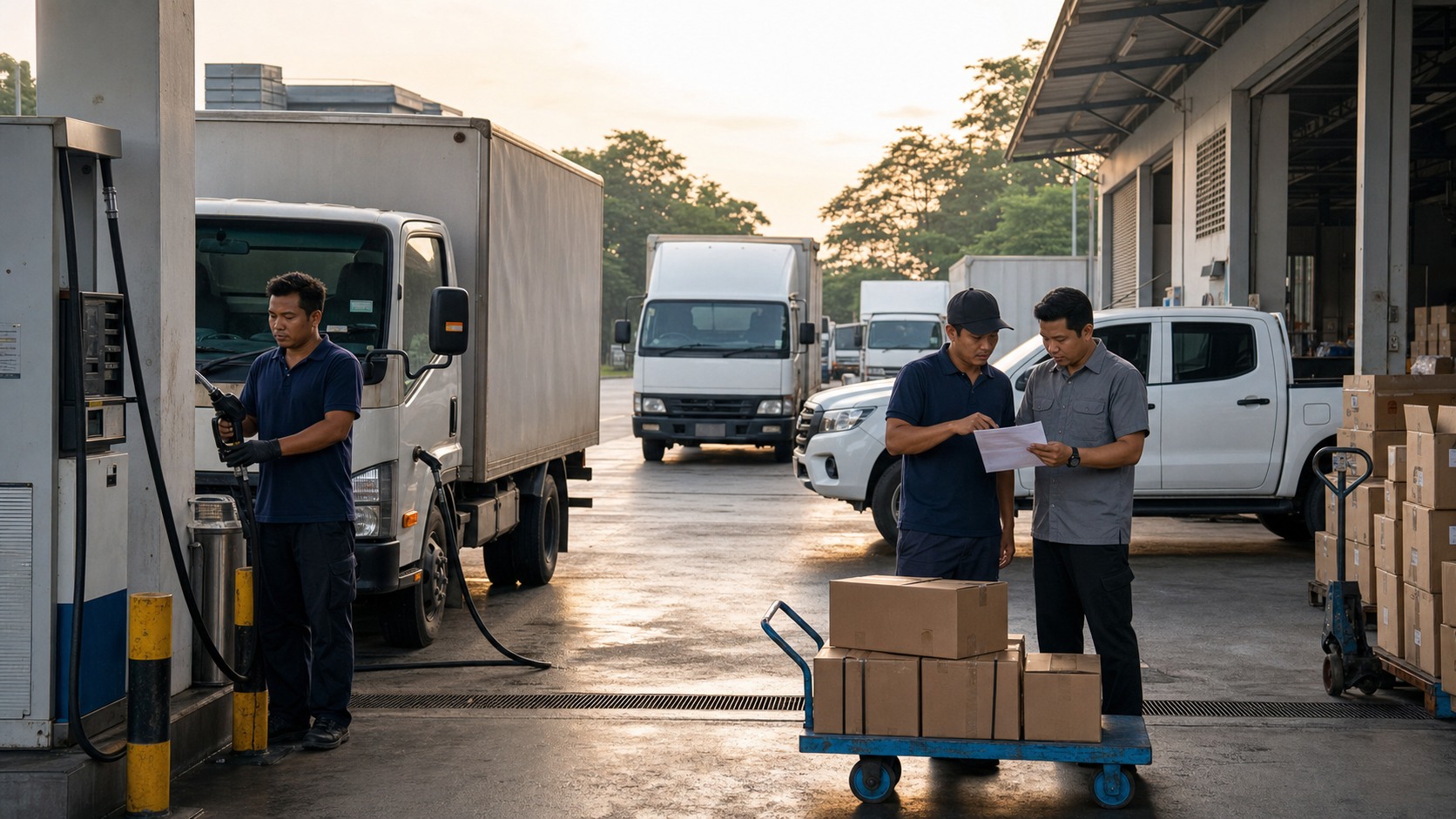
If your business depends on lorries, pickups, site vehicles, or diesel-powered equipment, the useful question is not just whether the pump price is going down. It is whether your July cost assumptions are still accurate. BusinessToday reported on 21 June 2026 that subsidised diesel for Malaysians will fall to RM2.10 per litre from 1 July 2026 under a MyKad-based mechanism.
For some SMEs and operators, that may ease part of the monthly fuel bill. For others, it may mainly expose a planning gap: not every vehicle, route, customer, or user will benefit in the same way, and non-eligible users will still face market pricing.
What Happened
According to the BusinessToday report, the government will implement a restructured diesel subsidy mechanism that uses MyKad verification and aligns the system nationwide with the broader targeted-subsidy approach. The report said eligible Malaysians will continue to receive subsidised diesel, while non-citizens and ineligible users must pay market-based rates.
BusinessToday also reported that Sabah and Sarawak will shift to the harmonised framework, with eligible Malaysians there seeing subsidised diesel move from RM2.15 to RM2.10 per litre. Public reporting from other outlets citing the Ministry of Finance also said further implementation details are expected from the Finance Ministry on 22 June 2026.
That matters because the headline is simple, but the operating effect is not. A lower subsidised price helps only when the business clearly knows which drivers, vehicles, and operating patterns can actually access it.
Why It Matters For Malaysian Businesses
For transport operators, contractors, suppliers, farm businesses, and SMEs with delivery fleets, diesel is rarely just another input. It shapes route pricing, job margins, and how much room the business has for repairs, payroll, and instalments at the end of the month.
The policy change can help if your operations are fully inside the eligible category. But many SMEs work in a mixed environment. One part of the fleet may benefit from subsidised pricing while another part still runs closer to market cost. Some businesses also quote customers before new rules are fully reflected in contracts or delivery rates.
That is why this should not be read only as a positive fuel headline. It is also a budgeting checkpoint. If July fuel costs improve for part of the business but not all of it, the wrong assumption can still distort pricing, cash flow, or repayment planning.
What Operators Should Check Before July Starts
First, confirm whether your business use case clearly fits the new mechanism as it has been announced so far. The government has stated the broad direction, but operators should still wait for the detailed implementation guidance due on 22 June 2026 before assuming every diesel purchase will work the same way.
Second, review whether your customer pricing still reflects actual fuel exposure. If you quoted based on higher assumptions, you may have more room than expected. If you serve mixed users, cross-border routes, or work that depends on non-eligible drivers or vehicles, the benefit may be narrower than the headline suggests.
Third, separate fuel relief from overall operating health. Even if some diesel costs come down, a business may still be facing:
- delayed customer payments
- vehicle maintenance risk
- tyre, spare-part, or insurance costs
- pressure to replace an older lorry or machine
That is where planning discipline matters more than the announcement itself. A lower subsidised diesel price can reduce one pressure point, but it does not automatically solve a broader cash-flow squeeze. Businesses that depend on transport and equipment should still review whether commercial vehicle financing or working capital support fits the rest of the operating picture.
Where Ing Heng Fits
Ing Heng fits at the planning end of this story, not the policy headline. If your business needs to replace a vehicle, spread out a large repair decision, or protect monthly cash while fuel rules and operating costs keep shifting, the practical step is to check financing room before the next tight month arrives.
That does not mean borrowing because diesel is cheaper. It means making sure one policy change does not hide other weaknesses in fleet budgeting, repayment timing, or equipment reliability.
News Source
- BusinessToday. “Breaking: Govt To Drop Diesel Price To RM2.10 From July 1.” Published 21 June 2026. Source URL: https://www.businesstoday.com.my/2026/06/21/breaking-govt-to-drop-diesel-price-to-rm2-10-from-july-1/
Questions Business Owners Ask
Who gets diesel at RM2.10 per litre from 1 July 2026?
BusinessToday reported that the RM2.10 subsidised price is for eligible Malaysians under a MyKad-based mechanism, while non-citizens and ineligible users will pay market-based rates.
Why does this matter if my business already budgets for fuel?
A lower subsidised price can help some operators, but mixed eligibility, route changes, and delayed pass-through to customers can still create uneven cash flow from the start of July.
What changed for Sabah and Sarawak?
BusinessToday reported that eligible Malaysians in Sabah and Sarawak will see subsidised diesel move from RM2.15 to RM2.10 per litre under the harmonised nationwide structure.
Related News

Subsidy
Alliance Bank And CGC Roll Out RM2 Billion For SMEs. What Businesses Should Check Before Applying
Subsidy
Govt Targets RM8 Billion Potential Deals Through MAHA 2026: The Business Angle For Malaysia

Subsidy