DOE e-waste enforcement puts machinery scope in focus
DOE plans stronger e-waste premises inspections. Malaysian recycling equipment buyers should clarify the material, permitted process and site before ordering machinery.
If you are pricing machinery for an e-waste operation, the first question is what the proposed site and process are allowed to do. A machine can arrive with a clear specification while the operating scope around it remains unsettled. That gap deserves attention before an equipment order becomes a financial commitment.
BERNAMA reported on 27 October 2026 that the Department of Environment (DOE) would strengthen monitoring and enforcement at e-waste processing premises. The department said non-compliance would be addressed under the relevant existing legal provisions. For Malaysian recycling businesses, our reading is that equipment planning needs to start with the intended operation, rather than the machine catalogue alone.
The inspection push concerns the whole operation
The report follows the Enforcement Agency Integrity Commission’s 22 October statement concerning e-waste and recycling premises in Segamat, Johor. BERNAMA describes a call for stronger monitoring, including the commission’s recommendation for more night-time inspections. It does not announce a new machine requirement or establish the status of any reader’s premises.
The official context is broader than an equipment purchase. DOE’s scheduled-waste guidance explains that scheduled waste is subject to specific handling requirements and directs businesses to its state offices where classification or premises-licensing questions need clarification. The department’s hazardous-substances management page also identifies state DOE offices as responsible for relevant premises-licensing and enforcement matters.
Start with the material and permitted process
Our practical starting point for a buyer is a short description of the proposed activity: what material will arrive, what the machine will do to it, and where the work will take place. Receiving equipment, sorting material and carrying out a processing activity should not be treated as interchangeable descriptions in a supplier discussion.
Put that intended task beside the actual permissions and conditions relevant to the premises. Where the match is unclear, establish it with the relevant DOE office and appropriate advisers before relying on the proposal. A supplier’s description of a machine as suitable for recycling does not answer a site-specific permission question.
A delivery date needs an operating plan
Consider a hypothetical operator comparing two pieces of equipment for an existing workshop. One proposal covers delivery only; the other also identifies installation, commissioning and operator familiarisation. The prices describe different commitments even before the buyer checks whether either proposed process fits the site.
Ask each supplier to explain the inputs the equipment is designed to handle, its intended output and any exclusions. Then clarify the practical dependencies: access for installation, the required services, the receiving area and the arrangements for material leaving the process. Obtain the machine-specific requirements from the supplier rather than inferring them from this news report.
Compare complete proposals before committing
A useful comparison places the same intended job against each proposal. Record what is included, what another contractor must provide and which assumptions remain unconfirmed. Keep the machine price, site preparation, installation and ongoing service commitments visible as separate items where the quotation distinguishes them.
The commercial risk is committing to equipment before those dependencies are understood. A delivery milestone can create a payment commitment while commissioning still depends on unresolved site work or operating requirements. That is a purchasing scenario to examine, not a claim that every recycling business faces a delay.
Watch for evidence specific to your premises
The next useful evidence is the relevant operating documentation, a supplier specification matched to the intended material, and a realistic commissioning sequence. Today’s enforcement announcement cannot establish a facility’s permission, a machine’s suitability or future demand for its output.
Further official clarification may matter to individual operators. Until then, keep assumptions visible and check the proposal against the actual site and task. Equipment capacity becomes a more useful buying measure once the operation it is meant to support is clearly defined.
Bring the confirmed scope into financing
Once the proposed operation and equipment requirements are clear, discuss the purchase through Ing Heng’s equipment financing service. Bring the quotation, site dependencies, installation costs and intended commissioning sequence into the conversation. Financing remains subject to assessment and agreed terms; it does not establish environmental permission or technical suitability.
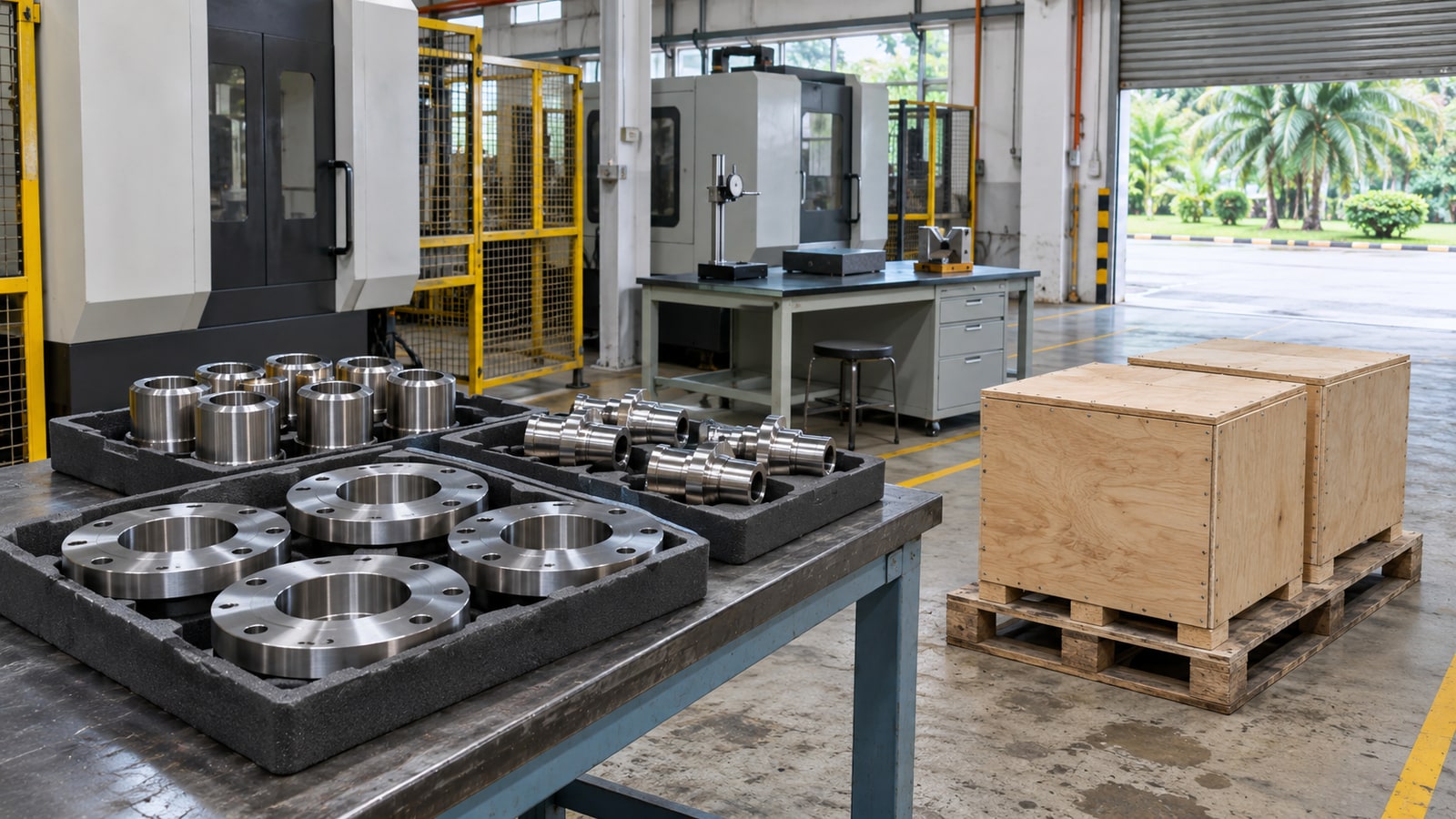
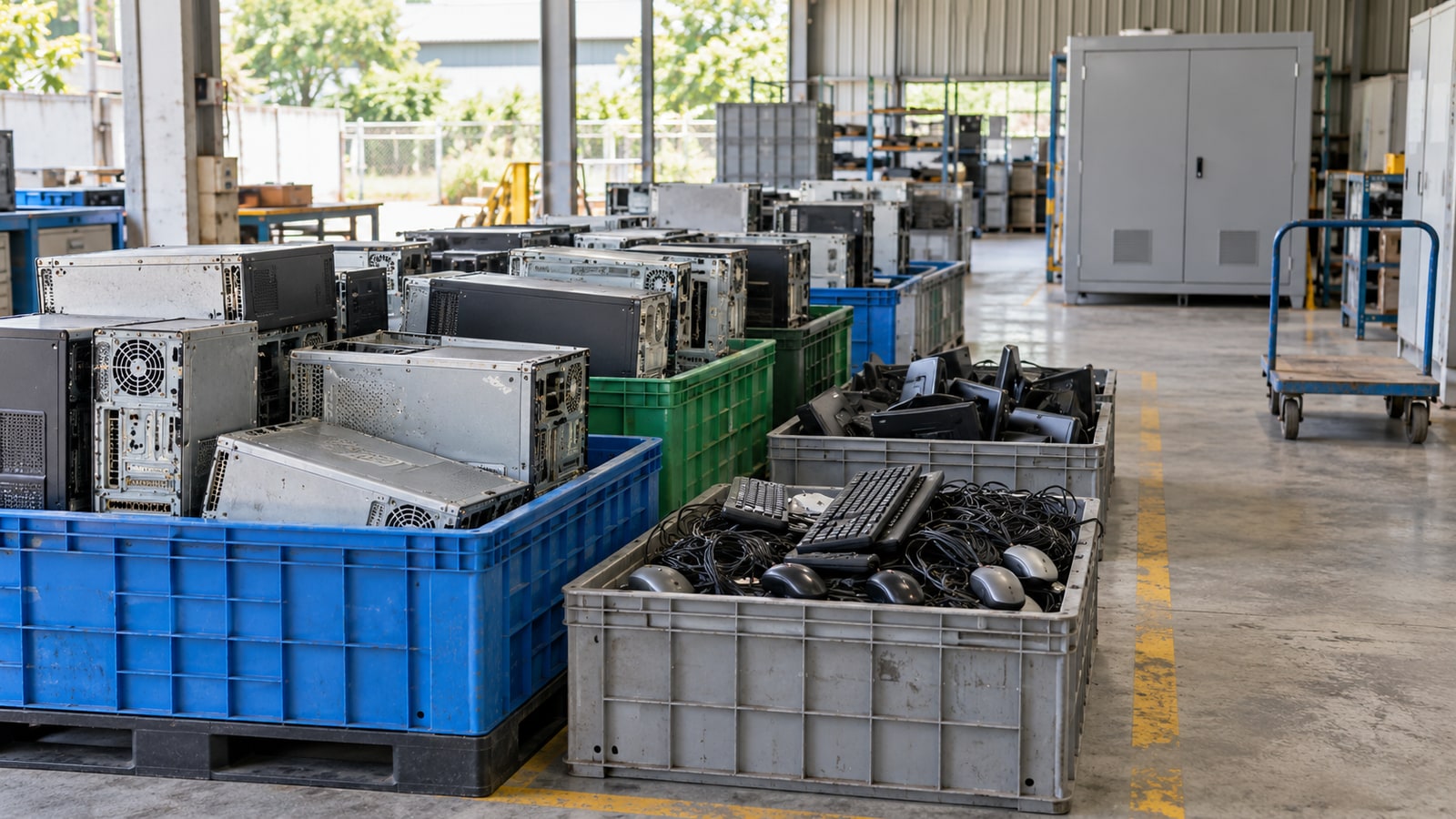
Sources: BERNAMA, “DOE To Step Up Monitoring, Enforcement At E-waste Processing Premises”, published 27 October 2026 at 11:17 Malaysia; DOE, “Scheduled Waste Information” and “Hazardous Substances Management”, reviewed 27 October 2026, linked above. The image is a generated illustration of a generic workshop, not a photograph of an inspection, a named operator or a verified licensed premises.
A financing option related to this article
Compare the relevant financing route and documents before committing to a purchase.
Machinery financingQuestions Business Owners Ask
Does the 27 October report announce a new compulsory recycling machine?
No. BERNAMA reports DOE's commitment to strengthen monitoring and enforcement at e-waste processing premises. The report does not establish a new compulsory machine specification or certify a particular supplier's equipment.
Does purchasing recycling equipment establish permission to process e-waste?
A machine quotation is not evidence that a proposed activity is permitted at a particular premises. DOE's official guidance directs premises-licensing matters to the relevant state office. Clarify the material, process and site requirements before committing to the purchase.
What should accompany a recycling machinery financing discussion?
Bring the equipment quotation, intended material and process, site-readiness information, installation scope and proposed commissioning sequence. Keep any unresolved operating permissions visible. Financing is assessed separately and does not establish environmental approval or machine suitability.