Malaysia's July Leading Index: A Reason To Stage SME Commitments
DOSM's July 2026 Leading Index rose 1.1%, but Malaysian SMEs should still tie stock, hiring and equipment commitments to their own confirmed demand.

When national indicators turn up, it can be tempting to order more stock, add a shift or replace equipment before the opportunity passes. The safer question is whether your own work is already becoming more certain.
The Department of Statistics Malaysia (DOSM) reported on September 25 that Malaysia’s Leading Index (LI) for July 2026 rose 1.1% year-on-year to 115.3 points. It also increased 0.3% from June. DOSM uses the index as an early signal of economic direction, on average four to six months ahead; it is not a sales forecast for any one company.
A positive signal, not an automatic purchase order
DOSM said the annual increase was supported by real imports of other basic precious and non-ferrous metals, up 24.1%, and real semiconductor imports, up 17.4%. It also pointed to a stable labour market, high-impact technology investment and continuing demand for semiconductors and electrical and electronics products as support for the broader outlook.
That matters to Malaysian suppliers, workshops and manufacturers because activity in these chains can influence enquiries, supplier lead times and capacity decisions. But it does not tell you whether a particular customer will reorder, when they will pay or whether a new machine will be used enough to justify its full cost.
DOSM also said the smoothed long-term LI trend remained below 100. Its Coincident Index, which reflects current activity, grew 1.7% year-on-year but edged down 0.1% from June. The practical reading is conditional: there are constructive signals, but businesses should still test them against current trading rather than assume demand will arrive evenly.
Turn the headline into four operating checks
Before committing cash because an economic signal looks stronger, put the proposal beside the evidence you already have.
- Orders: Separate enquiries and indicative discussions from signed orders, agreed quantities and delivery dates.
- Capacity: Check whether existing staff, tools and equipment can handle a small increase before buying for the largest possible scenario.
- Cash timing: Match supplier deposits, customer payment dates and any recurring commitment. A healthy-looking pipeline can still leave a short cash gap.
- Lead time: Ask suppliers how long stock, parts or installation will take, then compare that date with your confirmed work rather than a broad economic expectation.
For an electronics-related supplier, the import data may be a useful prompt to speak with customers and vendors. It is not evidence that your own component demand will rise by the same rate. For a contractor or retailer, the useful equivalent may be a confirmed project release, a customer booking pattern or a repeat-order trend.
Stage the commitment where possible
If demand is beginning to firm, a staged decision can preserve flexibility. You might start with overtime, a limited stock top-up, a temporary subcontracting arrangement or a repair that improves the use of an existing asset. Then review whether the next order cycle supports a larger move.
The right sequence depends on your business, but the principle is simple: use national data as a reason to prepare, not as a substitute for a trading plan. Revisit the same checks if a customer delays, a quotation changes or utilisation stays below the level you expected.
Where an equipment discussion fits
If confirmed work creates a specific machinery or vehicle requirement, review Ing Heng’s equipment-financing guide against the actual quotation, expected use and cash timing. The July index is context; the decision should still rest on a real operating need and a repayment plan you can manage if demand is slower than hoped.
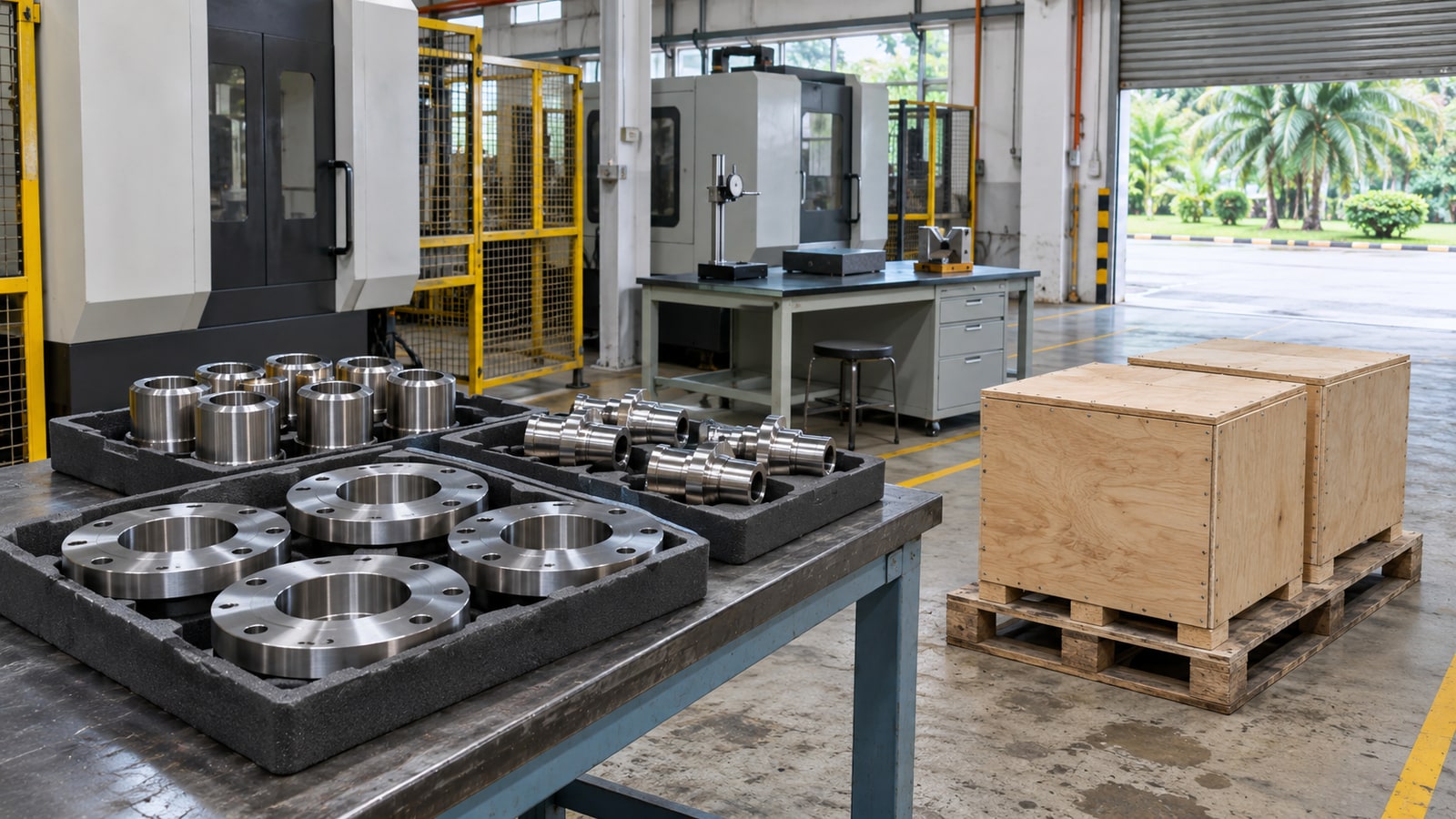
Source: Department of Statistics Malaysia, “Malaysian Economic Indicators: Leading, Coincident & Lagging Indexes, July 2026”, published September 25, 2026. The planning guidance is Ing Heng’s conditional interpretation. The image is illustrative.
Questions Business Owners Ask
What did Malaysia's Leading Index show in July 2026?
DOSM reported that the Leading Index rose 1.1% year-on-year to 115.3 points and 0.3% month-on-month. It is designed to give an early signal of economic direction, not a forecast for an individual business.
Does a higher Leading Index mean an SME should spend immediately?
No. A national indicator does not replace your own order book, customer payment dates, supplier lead times and current asset utilisation. Stage commitments around those checks.
Which July factors did DOSM identify?
DOSM identified stronger real imports of non-ferrous metals and semiconductors among the annual-growth drivers, while noting that activity in some components, including new company registrations, was more moderate.