Pekat's RM30.58m land deal: match machinery spending to a confirmed job
Pekat announced six industrial-land agreements in Negeri Sembilan. Suppliers should separate the land transaction from confirmed equipment orders and payment dates.

Pekat’s latest industrial-land announcement gives machinery suppliers something to watch, but it does not give an individual supplier an order. Before reserving a machine or paying a deposit, the useful question is what the customer has actually agreed to buy, when the site can receive it and when payment is due.
In its 2 November 2026 announcement, Pekat Group said EPE Switchgear, an indirect 60%-owned subsidiary, signed six purchase agreements with Sime Darby Property (Nilai) on 30 October. The adjoining freehold industrial plots are in Mukim Labu, Seremban, Negeri Sembilan. Their combined area is 38,108 square metres, with net consideration of RM30,575,955.32, or about RM30.58 million.
Those are the announced transaction facts. The equipment and payment checks below are our business commentary, rather than procurement terms or machinery requirements issued by Pekat.
Six plots are a land transaction
A land agreement and a supplier’s equipment order are different commitments. The announcement does not tell your business that it has been appointed, what it must supply or how many machine days a customer will pay for.
That distinction matters for a small manufacturer, machinery dealer or industrial service firm considering whether to reserve stock. A possible future requirement can justify a conversation. It cannot replace the documents needed to commit cash against a particular job.
Keep confirmed work, quotations submitted and early enquiries on separate lines in your plan. Avoid treating the full land value as a measure of the equipment work available to your business.
Get the customer’s requirement in writing
Start with the actual buyer and contracting party. Ask for a written scope, the equipment’s intended duty, the required technical specification and the person responsible for accepting delivery.
For example, supplying a machine, moving existing equipment and providing temporary handling support involve different costs and responsibilities. These are planning examples, not confirmed packages for this transaction.
Before placing an order with your own seller, compare the customer’s requirement with the quotation. Check what is included, what remains conditional and who carries the cost if a specification or delivery arrangement changes. Technical suitability belongs with the responsible professionals and equipment supplier.
Separate land, site and equipment dates
An agreement date is not your delivery date. Keep the land transaction, access to the premises, equipment delivery, installation and customer acceptance as distinct milestones.
A machine arriving before the receiving area is ready may need storage, another transport trip or a revised installation booking. A machine arriving after an agreed operating date may create a different problem. Neither outcome is established by this announcement; both are reasons to get the sequence clear before spending.
Ask which dates are fixed, which depend on another party and what written confirmation will release your own purchase or delivery commitment. Do not fill missing dates with assumptions based on the headline.
Price the gap before customer payment
Lay out your own cash movements: deposit, balance payment, transport, installation and the running costs you must carry before the customer pays. Then compare those dates with the agreed billing and payment arrangements.
Where a future job is still uncertain, compare the cost of waiting with the cost of holding an idle asset. A suitable rental quotation, a staged purchase or use of existing capacity may answer different needs. Obtain actual quotations and check contract terms; none is automatically the right route.
Bring a defined equipment plan
If you have a specific asset requirement, start with Ing Heng’s equipment-financing information and a separate discussion. Bring the written work scope, asset quotation, delivery plan and customer payment terms. Keep prospective work clearly identified.
A financing discussion does not award a supplier contract, confirm a machine’s technical suitability or establish approval. The practical aim is to understand your equipment commitment before it becomes a payment obligation.
Source and illustration
Source: Pekat Group Berhad, issuer announcement on the EPE Switchgear industrial-land acquisition, dated 2 November 2026. The agreements were signed 30 October 2026. Read the issuer’s announcement.
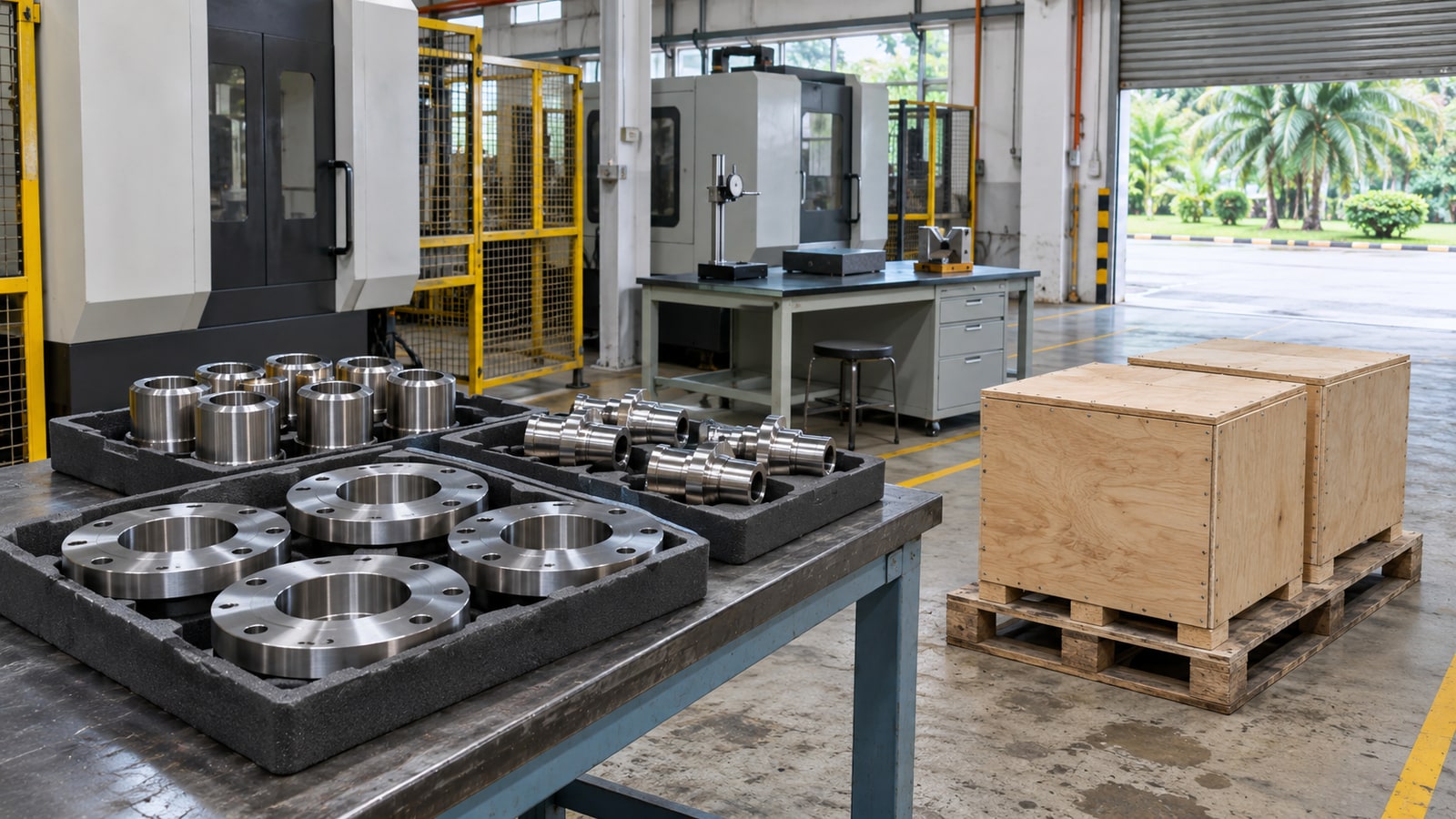
Image: AI-generated editorial illustration of a generic industrial workshop. It does not show an actual Pekat or EPE site, land parcel, machine order or completed facility.
A financing option related to this article
Compare the relevant financing route and documents before committing to a purchase.
Trade financingQuestions Business Owners Ask
What did Pekat announce on 2 November 2026?
Pekat said its indirect 60%-owned subsidiary EPE Switchgear signed six land purchase agreements on 30 October 2026 with Sime Darby Property (Nilai). They concern adjoining freehold industrial plots in Mukim Labu, Seremban, covering 38,108 square metres, for a net consideration of about RM30.58 million.
Does the land announcement confirm a machinery order for my business?
It does not establish that your business has an order, an approved machine specification or an agreed delivery date. Confirm the contracting party, written scope, technical requirements, site readiness and payment terms with the actual customer.
What should I prepare for an equipment-financing discussion?
Bring the asset quotation, written work scope, intended use and delivery dates, installation and operating costs, and customer payment terms. Identify prospective work separately. A financing discussion does not confirm a supplier appointment, technical suitability or approval.