RAC's Rail Freight Plans: Confirm Terminal Work Before Buying Equipment
RAC is seeking private participation in rail freight. Operators should confirm their terminal role, cargo handover and cash timing before buying equipment.
If you are considering equipment for rail-linked freight work, a national expansion plan is a reason to investigate the opportunity. Your purchase still needs an answer to a smaller question: what cargo will your business handle, where, and under whose agreement?
BERNAMA reported on 23 October 2026 that Railway Assets Corporation (RAC) has developed a ten-year strategic plan to improve train-service frequency and reliability. Alongside passenger services and station-area development, RAC is seeking private participation in freight terminals and inland ports. The report identifies Keretapi Tanah Melayu Bhd (KTMB) as the freight-service operator.
RAC’s official cargo-hub overview describes hubs intended to bring freight handling together and support a shift from road to rail. That provides context for logistics businesses. Neither a strategic direction nor a project overview establishes your company’s operating role, customer order or equipment requirement.
The checks below are practical purchasing analysis, rather than announced RAC procurement conditions.
Start with the actual terminal role
Separate the asset owner, rail operator, terminal operator, cargo customer and your own proposed work. A discussion about developing a terminal is different from an agreement to provide road haulage, warehouse handling or another service there.
Establish who is commissioning your work and what they can commit to. Is the conversation an early expression of interest, a request for a quotation or a defined service agreement? Record the scope, parties and outstanding decisions before turning it into an equipment budget.
If the opportunity requires a formal procurement or participation route, verify the current documents with the responsible organisation. Today’s report should not be treated as a tender notice or an invitation with an assumed deadline.
Map the cargo handover before the machine
Take one proposed shipment and trace its movement from the customer’s premises to the rail terminal and onwards to the receiving party. Mark where your responsibility begins and ends.
Who collects the cargo? Who unloads it, holds it and transfers it to the next operator? Who supplies the handling equipment at each point? A business providing the road journey may have a different asset need from the company running the yard.
Use an actual customer movement where possible. A possible future terminal cannot tell you the cargo type, operating hours or workload that your own equipment would need to support.
Check access and handling responsibilities
Before choosing a machine, ask the responsible terminal and technical teams to confirm the access arrangements and handling requirements for your role. Check the relevant loading area, available space, equipment responsibilities and proposed start arrangements.
Have the equipment supplier assess the intended job against those requirements. The news report does not specify a lifting capacity, yard layout, vehicle type or technical standard for your business. Selecting equipment from the headline alone would leave those questions unanswered.
Where another party already provides handling equipment, establish whether buying your own would serve an agreed need. Compare the proposed purchase with the actual work available and the alternatives your operating agreement permits.
Match cash commitments to confirmed work
Put the supplier’s quotation, delivery and commissioning dates beside the customer’s agreed service and payment dates. Include the costs relevant to your proposed operation, rather than assuming the equipment price represents the whole commitment.
Review what happens if site access starts later, a customer changes the cargo volume or equipment arrives before the work can begin. Use the terms you have actually been offered. Expected future traffic is different from cargo booked with your business, and an invoice is different from money received.
This comparison helps identify which assumptions need confirmation before a purchase. It does not establish profitability or a guaranteed return.
Watch for an operating offer you can assess
Further project and commercial information could turn the broad opportunity into a specific decision. Look for a defined role, usable access arrangements, confirmed cargo requirements and workable payment terms.
If those details support a specific asset purchase, review the quotation and timing alongside equipment-financing options. Ing Heng can discuss the proposed purchase; equipment suitability and financing terms require a separate assessment.
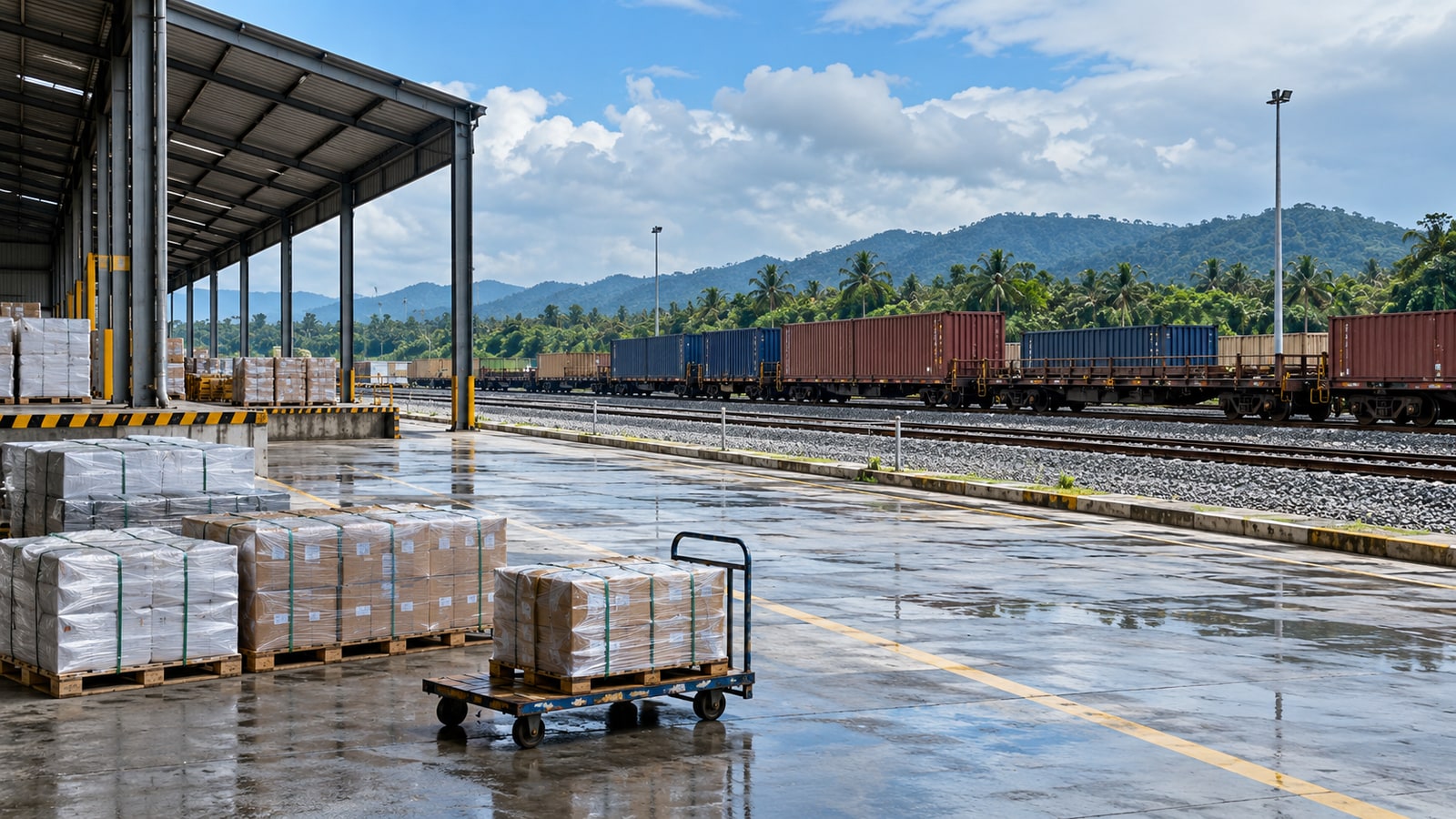
Sources: BERNAMA, “RAC Develops 10-year Plan To Enhance Train Services, Boost Public Transport Use”, published 23 October 2026; RAC, “Terminal Hub Cargo”, official background page reviewed 23 October 2026. The image is a generated illustration of a generic freight yard, not a photograph of a named RAC project.
A financing option related to this article
Compare the relevant financing route and documents before committing to a purchase.
Machinery financingQuestions Business Owners Ask
Does RAC's ten-year plan mean my business has won terminal work?
No. BERNAMA's 23 October 2026 report describes RAC's strategy and interest in private participation. It does not establish an award, operating agreement or cargo commitment for your business. Verify your own role and written commercial arrangements.
What should a freight operator confirm before choosing equipment?
Confirm the exact cargo movement, handover points, site access and which party provides loading and handling equipment. Ask the responsible terminal and technical teams to establish the requirements. These are general purchasing checks, not published RAC tender conditions or machine specifications.
How can a buyer compare the equipment commitment with the work?
Put the supplier's quoted costs, delivery and commissioning dates beside the agreed cargo work and customer payment dates. Check what happens if access or cargo volumes change. A national strategy or expected future traffic is not collected cash or a guaranteed return on equipment.