TNB's 500kV Grid Backbone Could Pull Forward Supplier And Contractor Planning
TNB reported on August 28, 2026 that it has started development of a new 500kV National Grid Backbone, a roughly 500km transmission system due by 2030. For Malaysian suppliers, contractors, and industrial businesses, the practical question is whether grid-linked demand, procurement timing, and capacity plans need to move earlier.
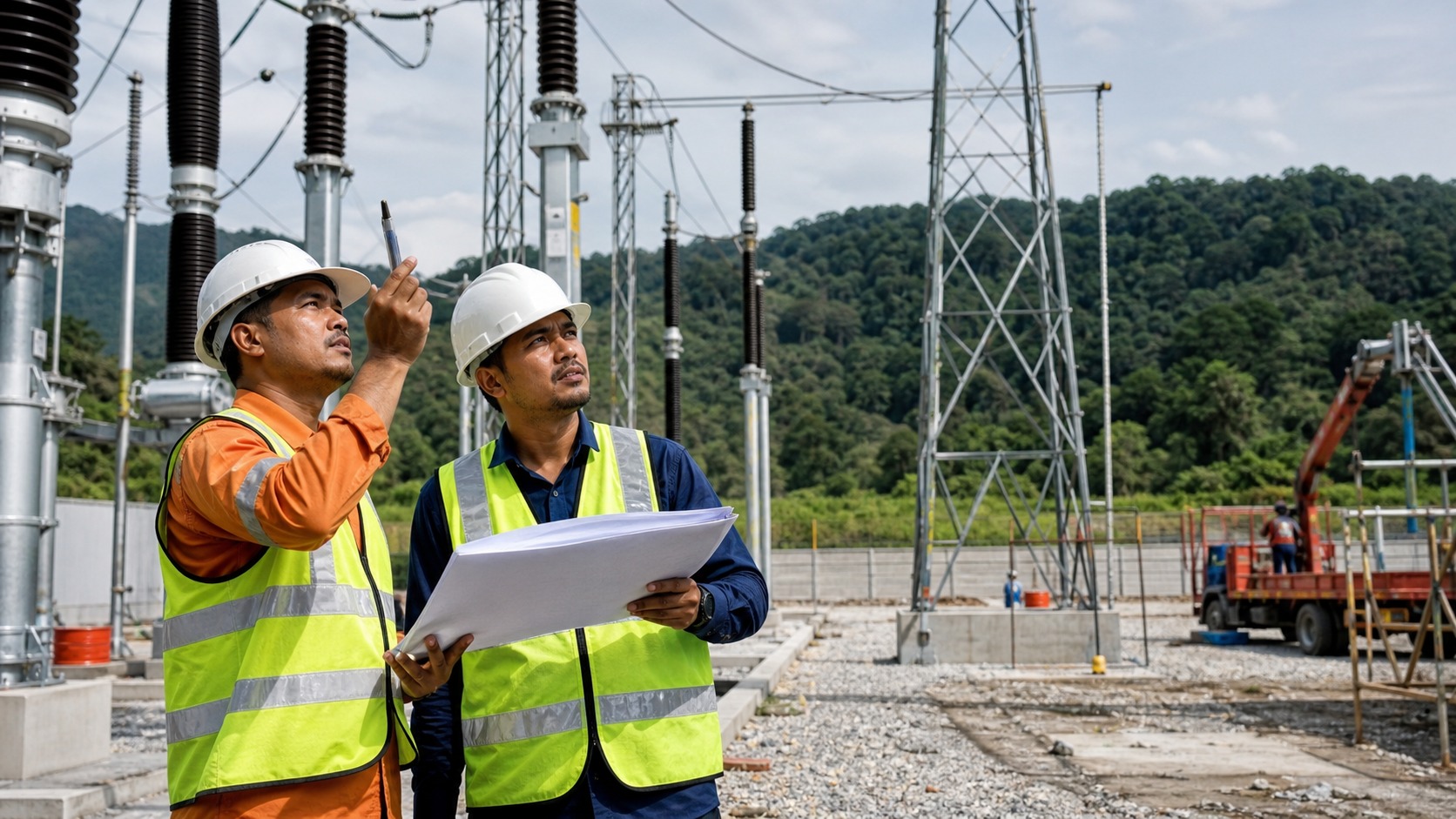
If your business depends on project timing, supplier availability, or industrial demand signals, a national grid story is not just utility-sector news. It can be an early sign that more work, tighter procurement windows, and earlier cash commitments are starting to build underneath.
Tenaga Nasional Berhad reported on August 28, 2026 that it has started development of a new 500kV National Grid Backbone, beginning with the PMU Kampung Awah project site in Maran, Pahang. TNB said the transmission backbone is designed to strengthen grid resilience, improve inter-regional power transfer, support the National Energy Transition Roadmap (NETR), and accommodate future electricity demand.
For Malaysian suppliers, contractors, industrial service firms, transport operators, and project-linked SMEs, the key question is not only what TNB is building. It is whether grid-linked demand and capacity pressure may start reaching your business earlier than your own sales numbers suggest.
What Happened In TNB’s New Grid Backbone Project
According to TNB’s August 28, 2026 announcement and press release, the new grid backbone will become a major high-capacity transmission corridor across Peninsular Malaysia.
TNB said:
- the backbone is expected to be completed by 2030
- the total length is projected at approximately 500km
- PMU Kampung Awah will act as a key node along the Paka-Kampung Awah-Bahau South-Kulai East transmission corridor
- the infrastructure will reinforce the National Grid across Kelantan, Terengganu, Pahang, Negeri Sembilan, and Johor
- TNB is investing RM43 billion in grid development and modernisation from 2025 to 2027
TNB also said the project is meant to improve grid reliability, flexibility, and transmission capacity while supporting higher renewable-energy penetration, especially in the eastern region.
Why This Matters For Suppliers, Contractors, And Industrial Businesses
The search intent behind this story is practical: what does TNB’s 500kV National Grid Backbone mean for Malaysian businesses that support or depend on project activity?
The first implication is that project demand may spread beyond the utility itself. TNB specifically said the development is expected to create opportunities across local supply chains including engineering, construction, operations, and related services. That means the effect can reach smaller firms long before it shows up in headline contract numbers.
The second implication is that timing pressure can arrive early. A project of this size can affect supplier deposits, machinery use, transport scheduling, technical labour demand, and quotation validity. Businesses that support substations, civil works, access roads, delivery, equipment rental, or industrial maintenance may need to respond before customer collections fully catch up.
The third implication is that grid readiness is becoming part of the wider investment story. TNB said the backbone is meant to support AI-driven industries, data centres, digital infrastructure, and high-value green investments. That matters because those sectors often bring faster execution standards and more demanding site-readiness expectations across surrounding supply chains.
What Businesses Should Watch Next
The useful next signals are operational, not theoretical.
Watch for:
- more enquiries tied to electrical works, site preparation, delivery support, or industrial services
- suppliers shortening quote validity or asking for earlier confirmation
- pressure to add vehicles, tools, lifting support, or project equipment sooner than planned
- tighter competition for technicians, subcontract crews, and field support teams
If you want wider context, it helps to compare this project-start signal with our earlier explainers on Malaysia’s broader grid-upgrade cycle, Malaysia’s LSS6 solar and battery pipeline, and Southern Cable’s order-book expansion. Together, they point to the same business question: whether capacity, procurement, and working-capital planning are moving early enough for infrastructure-led demand.
Businesses that need to preserve cash while preparing for firmer project timing may also want to compare equipment financing, commercial vehicle financing, or loan financing against actual purchase and collection schedules instead of waiting until delivery pressure becomes urgent.
Where Ing Heng Fits
Ing Heng fits this story at the planning edge, not the headline.
If grid-linked demand is starting to push your stock commitments, machinery needs, transport capacity, or working-capital timing forward, the useful move is to match financing decisions to confirmed project milestones and customer-payment timing. A bigger national transmission backbone does not mean every business should rush to expand, but it does mean late preparation may become more expensive.
News Source
- Tenaga Nasional Berhad. “TNB Commences Development Of 500kV National Grid Backbone.” Published August 28, 2026. Source URL: https://www.tnb.com.my/announcements/tnb-commences-development-of-500kv-national-grid-backbone
Questions Business Owners Ask
What did TNB announce on August 28, 2026?
TNB announced that it has started development of a new 500kV National Grid Backbone, beginning with the PMU Kampung Awah project site in Maran, Pahang.
How large is the new 500kV grid project?
TNB said the backbone is expected to be about 500km long by 2030, making it the longest 500kV transmission system ever developed in Malaysia.
Which states will this grid development reinforce?
According to TNB, the infrastructure will reinforce the National Grid across Kelantan, Terengganu, Pahang, Negeri Sembilan, and Johor.
Why should smaller Malaysian businesses pay attention to this project?
A major grid project can pull forward demand across engineering, construction, transport, maintenance, component supply, and other support services before revenue becomes fully visible for smaller businesses.
Related News

Malaysia Economy News
Malaysia's Q3 Business Confidence Rebound Matters If You Are Planning Demand, Hiring, Or Stock

Malaysia Economy News
Malaysia's RM218.5 Billion Investment Pipeline Could Pull Forward SME Capacity Planning

Malaysia Economy News
