FMM Warns West Asia Crisis Is Hitting Malaysia Manufacturing. What SMEs Should Watch Next
The Malaysian Reserve reported on 11 June 2026 that FMM warned the West Asia conflict is eroding Malaysia's manufacturing competitiveness. Here is what that can mean for costs, orders, and equipment planning.
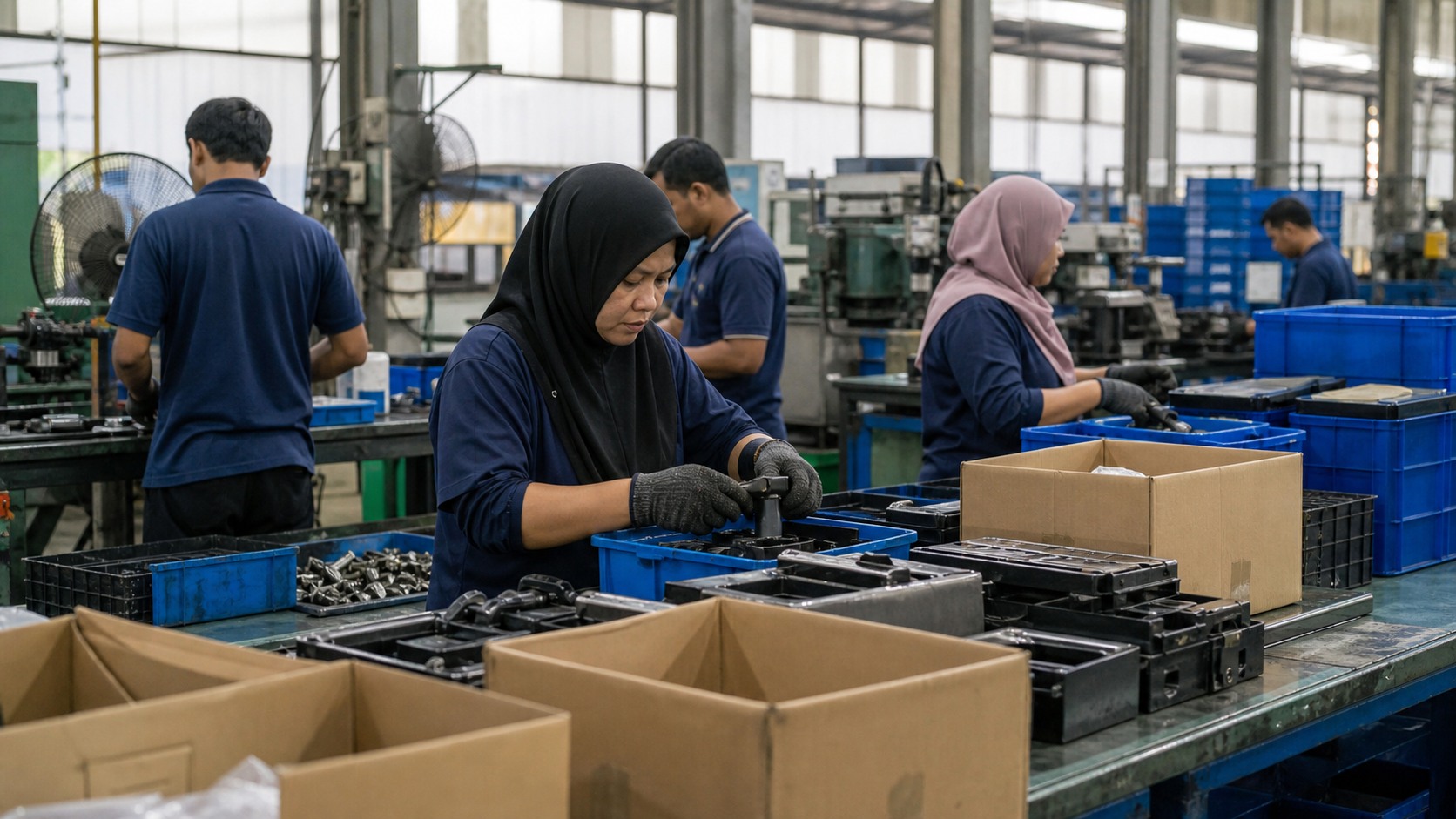
The Malaysian Reserve reported on 11 June 2026 that the Federation of Malaysian Manufacturers (FMM) warned the West Asia conflict is no longer just a background risk for local factories. According to the report, the pressure has become prolonged and more damaging, with higher costs now turning into lost orders, customers, and product lines.
That is the key shift worth watching. Cost pressure alone is difficult. Cost pressure that starts affecting competitiveness is more serious because it can change demand, pricing power, and expansion timing at the same time.
What Happened
The report frames the issue around manufacturing competitiveness, not only energy prices. FMM’s warning suggests the conflict’s effects have moved beyond short-term volatility and into a broader business problem for Malaysian producers.
The reported concern is that manufacturers are being squeezed long enough for customers to rethink where they buy, how much they order, and which suppliers they keep. When that happens, businesses do not just face a temporary margin problem. They risk losing future volume as well.
That does not mean every Malaysian manufacturer is already facing the same level of disruption. It does mean the country’s main manufacturing body sees the pressure as serious enough to warn publicly about competitiveness, not merely day-to-day inconvenience.
Why It Matters For Malaysian Businesses
For SME manufacturers, exporters, fabricators, workshops, and industrial suppliers, competitiveness is usually lost in ordinary operational decisions before it appears in a headline.
A longer supplier lead time can force a business to hold more stock. Higher freight or input costs can make older quotations unworkable. A weaker margin can leave less room for overtime, maintenance, or quick machine replacement. If customers start delaying orders or asking for lower prices at the same time, the business feels pressure from both sides.
That is why this story matters beyond large listed manufacturers. Smaller operators often absorb the same disruption through thinner buffers.
For businesses that rely on production equipment, vehicles, forklifts, or fabrication machinery, the practical question is not simply whether costs are rising. The real question is whether the company still has enough room to protect output while handling slower payments, costlier inputs, or more cautious customers.
What To Watch Next
The first signal to watch is whether quote validity periods start getting shorter. When suppliers become less willing to hold prices, that usually means they expect more volatility ahead.
The second signal is whether customers become more hesitant about order timing, volumes, or payment terms. Competitive pressure often shows up there before it appears in official data.
The third signal is operational: whether older machines, vehicles, or production bottlenecks are becoming more expensive to tolerate than to fix or replace. In a calmer market, businesses can delay that decision. In a tighter market, downtime and repair uncertainty may become more damaging than the financing cost of upgrading.
The report does not give a full forecast for every sector. But it is a useful reminder that manufacturers should review:
- input-cost exposure
- stock and parts lead times
- customer payment discipline
- machine reliability
- cash reserved for working operations versus asset replacement
Where Ing Heng Fits
Ing Heng Credit fits only at the planning end of this story, not the headline itself. If a manufacturer, contractor, or industrial SME decides that an aging machine, commercial vehicle, or working asset is becoming a competitiveness risk, financing can help preserve operating cash while the business upgrades on a clearer timeline.
The stronger move is not to force a financing pitch into every news event. It is to understand early whether the business can still carry repairs, replacements, and daily operations at the same time if external pressure stays elevated for longer.
News Source
- The Malaysian Reserve. “West Asia crisis eroding Malaysia’s manufacturing competitiveness, FMM warns.” Published 11 June 2026. Source URL: https://themalaysianreserve.com/2026/06/11/west-asia-crisis-eroding-malaysias-manufacturing-competitiveness-fmm-warns/
Related News
World Economy News
Malaysia's Tier 2 U.S. Transshipment Risk Label Is A Documentation Warning For Exporters

World Economy News
Malaysia-EU FTA Talks Are Moving Again. What Exporters And Suppliers Should Watch Next
World Economy News
