China-ASEAN Trade Above US$1 Trillion Matters If Your Malaysian Business Depends On Stock, Parts, Or Shipment Timing
BusinessToday reported on September 1, 2026 that China-ASEAN trade exceeded US$1 trillion for the first time in 2025 and reached US$744.41 billion in the first seven months of 2026. For Malaysian importers, exporters, distributors, and suppliers, the practical question is whether stronger regional trade volume will tighten stock, freight, and working-capital timing.
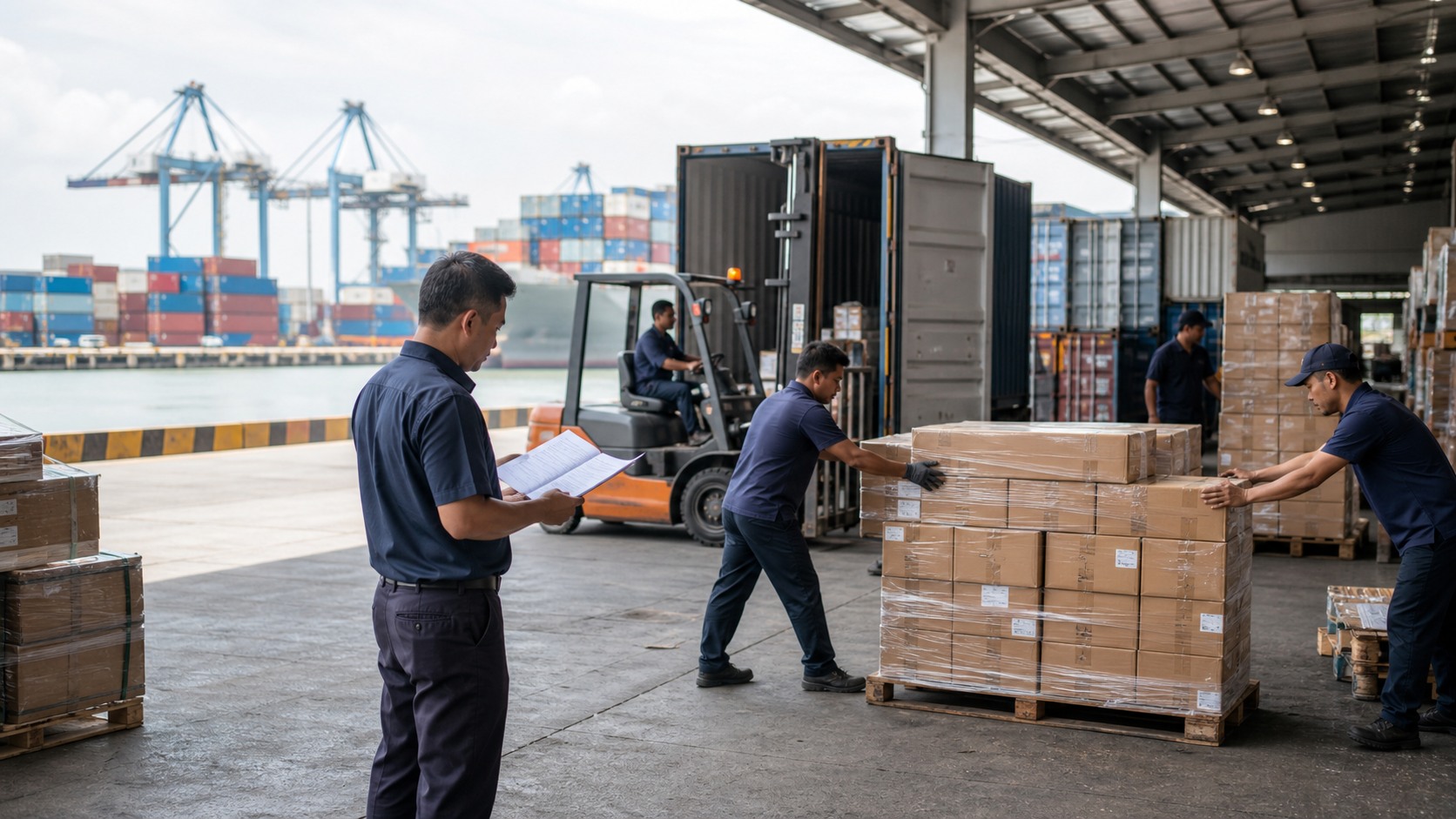
If more trade is moving through the region, the pressure on your business usually shows up before it appears in your sales report. You may need to confirm stock earlier, pay suppliers sooner, or protect delivery slots before customer collections fully catch up.
BusinessToday reported on September 1, 2026 that China’s trade with ASEAN exceeded US$1 trillion for the first time in 2025, reaching US$1.05 trillion, up 7.4% year on year. The same report said China-ASEAN trade reached US$744.41 billion in the first seven months of 2026, which was 24.7% higher than the same period a year earlier and accounted for 21.8% of China’s total foreign trade during that period.
For Malaysian importers, exporters, distributors, logistics operators, manufacturers, and suppliers, the useful question is not whether the milestone sounds impressive. It is whether stronger regional trade volume is starting to compress your stock, freight, and cash-flow timing.
What Happened In China-ASEAN Trade
According to BusinessToday’s September 1, 2026 report, China and ASEAN reached a new trade threshold last year and continued growing strongly into 2026.
The report said:
- 2025 China-ASEAN bilateral trade reached US$1.05 trillion
- that was 7.4% higher than the year before
- January to July 2026 trade totalled US$744.41 billion
- the first-seven-month 2026 total was 24.7% higher year on year
- ASEAN accounted for 21.8% of China’s total foreign trade in that period
BusinessToday also reported that China has remained ASEAN’s largest trading partner for 17 consecutive years, while ASEAN has been China’s largest trading partner for six straight years.
That matters in Malaysia because stronger China-ASEAN trade does not stay inside customs data. It can filter into inventory turns, supplier lead times, shipping competition, and order timing for businesses that buy, move, process, or resell goods.
Why This Matters For Malaysian Importers, Exporters, And Suppliers
The search-intent angle behind this story is simple: what does China-ASEAN trade above US$1 trillion mean for Malaysian importers, exporters, and suppliers?
The first implication is that regional trade activity may move faster than your internal cash cycle. If more goods are moving, suppliers may ask for earlier confirmation, importers may commit to larger stock positions sooner, and exporters may need to secure materials before purchase orders are fully monetised.
The second implication is that logistics pressure can widen even when demand looks healthy. More trade volume can mean tighter container timing, busier loading schedules, or less flexibility when a shipment is delayed. That affects not only large exporters but also smaller businesses that depend on parts, packaging, ingredients, or imported equipment.
The third implication is that working capital becomes a timing issue, not only a profit issue. A business can be profitable on paper and still feel pressure if supplier payments, freight bookings, customs clearance, and customer collections stop lining up neatly.
For related context, it helps to compare this with our earlier explainers on Malaysia’s July 2026 trade growth and stock timing, Malaysia’s first-half 2026 approved-investment pipeline, and Malaysia’s Q3 2026 business-confidence rebound. Together, they point to the same operational question: whether demand is improving faster than your purchasing and payment structure can comfortably handle.
What Businesses Should Watch Next
The practical signals are usually operational, not abstract.
Watch for:
- suppliers shortening quote-validity periods
- earlier requests for deposits or purchase confirmation
- slower inventory replenishment for imported items or parts
- tighter freight or loading windows around seasonal demand
- longer gaps between supplier payment and customer collection
If those signals are appearing, this is where loan financing, equipment financing, or commercial vehicle financing becomes a planning tool rather than a last-minute fix. The point is not to borrow because trade numbers are rising. The point is to make sure business timing does not become the reason a workable order cycle turns stressful.
Where Ing Heng Fits
Ing Heng fits this story at the timing edge.
If stronger regional trade is pulling stock purchases, supplier payments, vehicle needs, or operating commitments forward, the useful move is to match financing to real order and collection timing. A bigger trade corridor can create opportunity, but it can also expose weak cash discipline if your commitments accelerate before receipts do.
News Source
- BusinessToday. “China-ASEAN Trade Exceed US$1 Trillion.” Published September 1, 2026. Source URL: https://www.businesstoday.com.my/2026/09/01/china-asean-trade-exceed-us1-trillion/
Questions Business Owners Ask
What did BusinessToday report about China-ASEAN trade on September 1, 2026?
BusinessToday reported that China-ASEAN bilateral trade exceeded US$1 trillion for the first time in 2025, reaching US$1.05 trillion.
How fast did China-ASEAN trade grow in the first seven months of 2026?
The report said total China-ASEAN trade reached US$744.41 billion in January to July 2026, up 24.7% year on year.
Why should Malaysian importers and exporters care about this trade milestone?
Higher regional trade flow can translate into tighter supplier lead times, earlier stock commitments, more freight competition, and more working-capital pressure before collections catch up.
Does stronger China-ASEAN trade guarantee higher sales for every Malaysian SME?
No. It is a regional trade signal, not a guarantee for every business, so SMEs still need to check their own customer demand, margins, stock turns, and payment timing.
Related News
World Economy News
Malaysia's Tier 2 U.S. Transshipment Risk Label Is A Documentation Warning For Exporters
World Economy News
Malaysia-EU FTA Talks Are Moving Again. What Exporters And Suppliers Should Watch Next
World Economy News
