Malaysia's Tier 2 U.S. Transshipment Risk Label Is A Documentation Warning For Exporters
The Malaysian Reserve reported on August 14, 2026 that a new White House report placed Malaysia in Tier 2 for elevated China-linked transshipment risk. For Malaysian exporters, suppliers, and trade-linked SMEs, the practical issue is whether origin proof, customer checks, and quotation timing are about to get stricter.
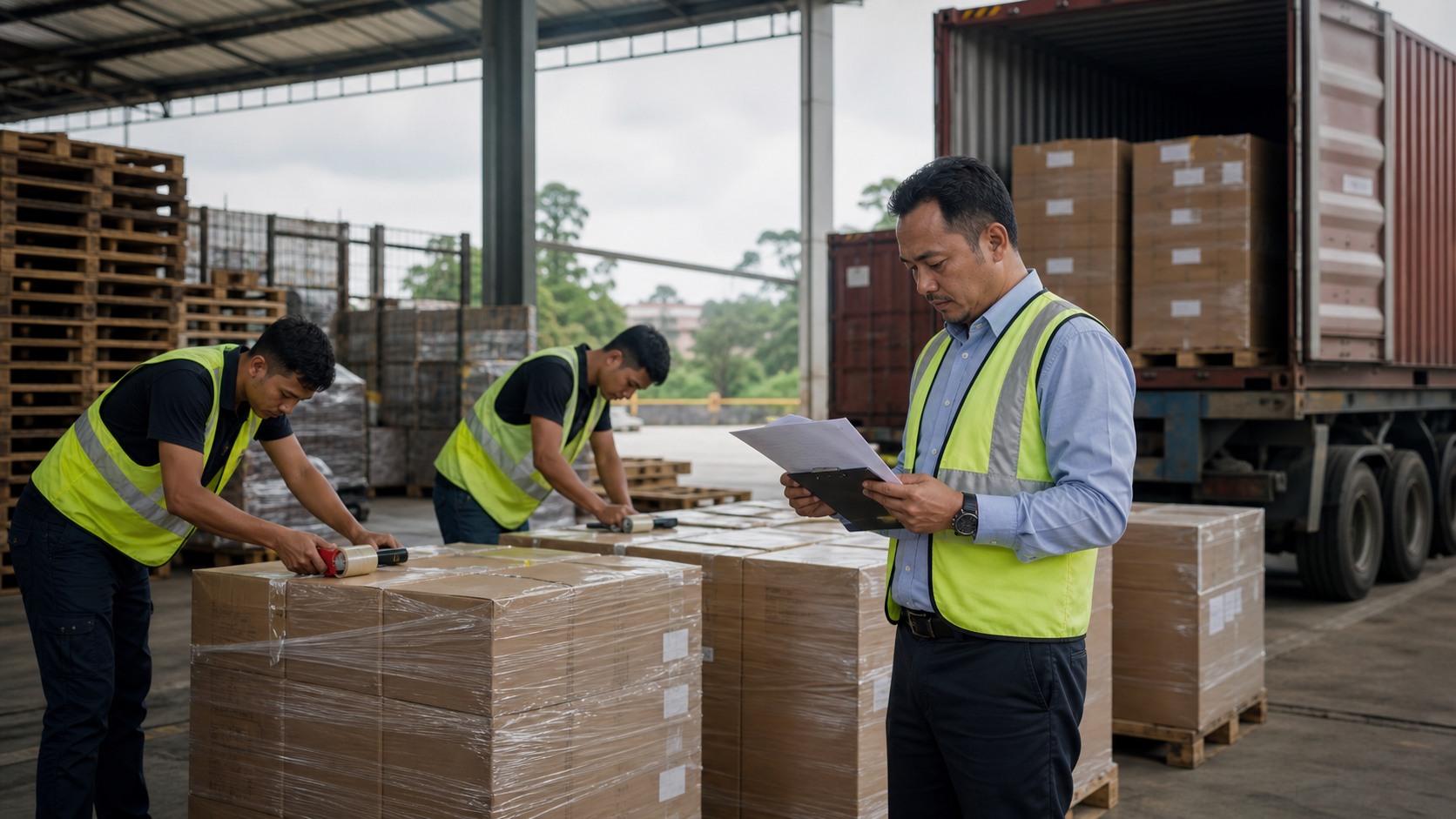
If export customers are taking longer to clear orders or asking more questions about where goods and components come from, this is the kind of headline that can quietly change your operating pressure before any law changes inside Malaysia.
The Malaysian Reserve reported on August 14, 2026 that a new White House report placed Malaysia in Tier 2 among jurisdictions seen as carrying elevated risk of China-linked illegal transshipment into U.S.-bound trade. The White House report said Tier 2 economies combine meaningful industrial scale with deeper integration into China-linked supply chains, logistics systems, or regional rerouting channels.
For Malaysian exporters, suppliers, and trade-linked SMEs, the practical issue is not whether every shipment will suddenly stop. It is whether customers now become more cautious about origin proof, supplier declarations, quotation timing, and inventory commitments.
What Happened
According to The Malaysian Reserve, the White House grouped more than 40 jurisdictions into risk tiers tied to possible tariff evasion and origin shifting. In the accompanying report, Malaysia was placed in Tier 2 alongside countries described as having significant economic integration with China-linked production and logistics networks.
The White House report said these Tier 2 economies have enough port capacity, supplier depth, manufacturing scale, or rerouting capability to move meaningful volumes of China-linked goods into U.S.-bound trade flows. It also said that enforcement becomes more complex because legitimate manufacturing and logistics activity can exist alongside cases where origin claims deserve closer scrutiny.
That distinction matters. The report does not say every Malaysian exporter is doing anything improper. It says the enforcement lens is sharpening around jurisdictions where customs authorities may find it harder to separate real transformation from pass-through trade.
Why This Matters For Malaysian Exporters And Suppliers
The search intent behind this story is practical: what does a Tier 2 transshipment-risk label mean if you run a Malaysian business that exports, supplies exporters, or sells into internationally linked manufacturing chains?
The first implication is documentation pressure. Buyers may ask for cleaner records on where parts come from, what processing happened in Malaysia, and how goods should be classified or declared.
The second implication is timing pressure. If customers need more internal compliance review before confirming orders, stock can sit longer, quotations can take more rounds, and shipment planning can become less predictable.
The third implication is supplier-screening pressure. A Malaysian company that does not ship directly to the United States may still get pulled into new checks if it supplies packaging, assembly, components, warehousing, forwarding support, or contract manufacturing to a customer that does.
In other words, this is not only a customs story. It is also a sales-cycle and working-capital story.
What Businesses Should Check Now
If your operation has any export-linked exposure, the first useful step is to review where your proof is strongest and where it is weak:
- supplier declarations and bills of material
- import and export paperwork consistency
- evidence of real processing or substantial transformation in Malaysia
- quotation assumptions if buyer approval takes longer
- whether slower order confirmation could trap cash in stock or unfinished work
It also helps to compare this signal with our earlier explainers on Malaysia’s new 10% U.S. tariff and Malaysia-EU trade progress. Those stories point to the same operating reality: cross-border demand can stay active while compliance, timing, and documentation become harder to manage.
If that pressure is building, some businesses may also need to review whether loan financing, equipment financing, or commercial vehicle financing still matches a slower export order cycle.
What To Watch Next
The White House report also described an AI-enabled enforcement push and said illegal transshipment investigations will increasingly focus on routing histories, product classifications, ownership links, and shipment patterns.
That does not automatically create a new penalty for every Malaysian supplier. But it does raise the odds that buyers, importers, and customs-facing partners will tighten internal review before they commit to orders or accept supporting documents at face value.
For businesses, the key question is simple: if your customer becomes slower or more demanding on documentation, can your operations and cash cycle absorb that without forcing reactive decisions on stock, transport, or equipment?
Where Ing Heng Fits
Ing Heng fits this story at the planning edge, not the compliance-advisory edge.
If stricter buyer checks are causing slower order flow, delayed invoicing, or more careful asset timing, the useful move is to review financing against actual utilisation and cash pressure rather than wait until export uncertainty turns into a last-minute funding problem.
News Source
- The Malaysian Reserve. “US report flags Malaysia as Tier 2 risk for China-linked tariff evasion.” Published August 14, 2026. Source URL: https://themalaysianreserve.com/2026/08/14/us-report-flags-malaysia-as-tier-2-risk-for-china-linked-tariff-evasion/
- The White House. “The Great Transshipment Scam.” Accessed August 14, 2026. Source URL: https://www.whitehouse.gov/wp-content/uploads/2026/08/The-Great-Transshipment-Scam.pdf
Questions Business Owners Ask
What happened to Malaysia in the White House transshipment report in August 2026?
The Malaysian Reserve reported on August 14, 2026 that a White House report placed Malaysia in Tier 2 among jurisdictions seen as having elevated risk of China-linked illegal transshipment into U.S.-bound trade.
Does the Tier 2 label mean every Malaysian export is being accused of wrongdoing?
No. The White House report describes Malaysia as a jurisdiction with significant integration into China-linked supply chains and elevated enforcement risk, not as proof that every Malaysian exporter is violating customs rules.
Why does this matter for Malaysian suppliers that do not sell directly to the United States?
Because overseas buyers, distributors, and larger manufacturers may tighten origin checks, supplier declarations, and documentation standards across their wider supply chains when enforcement risk rises.
What should a business review first after a story like this?
It should check product-origin records, supplier declarations, shipment paperwork, quotation assumptions, and whether slower buyer approvals could create stock or working-capital pressure.
Related News
World Economy News
Malaysia-EU FTA Talks Are Moving Again. What Exporters And Suppliers Should Watch Next
World Economy News
Malaysia's New 10% U.S. Tariff Is A Timing Warning For Exporters And Suppliers
World Economy News
