Malaysia's ASEAN-China Clean Energy Push Could Pull Supplier Timelines Forward
BusinessToday reported on July 29, 2026 that Malaysia is positioning itself as an ASEAN-China clean-energy bridge around the ASEAN Power Grid, smart-grid infrastructure, battery storage, and workforce training. For Malaysian suppliers, contractors, and SMEs, the practical question is whether project preparation and procurement timelines are about to move earlier.
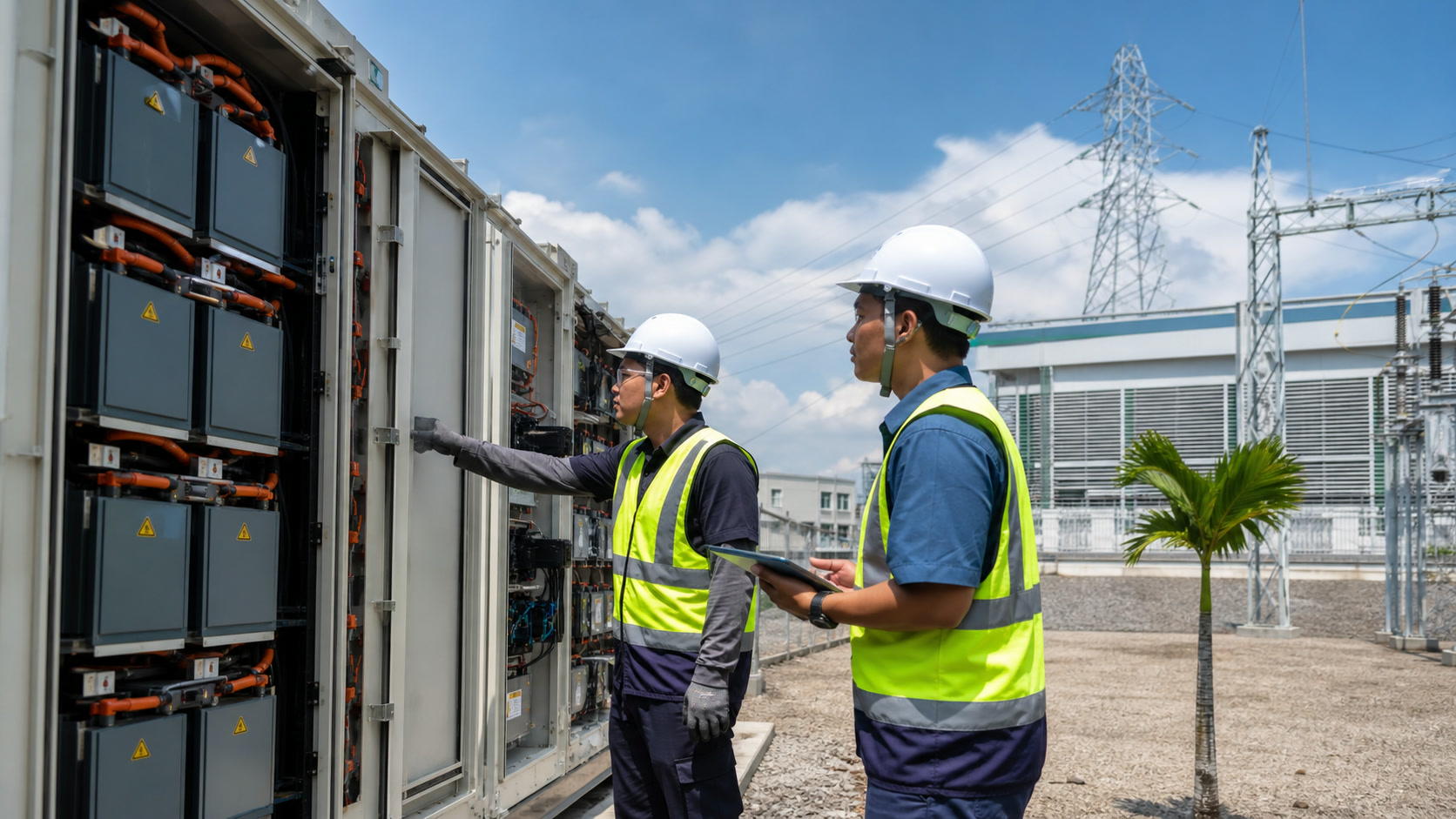
If your business supports industrial work, project logistics, electrical installations, equipment supply, or site services, this is the part worth watching: regional energy cooperation can start changing timelines long before it turns into booked revenue for smaller firms.
BusinessToday reported on July 29, 2026 that Prime Minister Anwar Ibrahim positioned Malaysia as a bridge for deeper ASEAN-China clean-energy cooperation, with the conference focus covering the ASEAN Power Grid, smart-grid infrastructure, battery storage, and workforce training.
For Malaysian business readers, the practical question is not whether the energy-transition story sounds ambitious. It is whether suppliers, contractors, and SMEs may need to prepare earlier for procurement, staffing, and delivery pressure if more projects and investment discussions start moving at the same time.
What Happened
According to BusinessToday, Anwar said Malaysia wants to help build ASEAN’s sustainable energy backbone through regional cooperation tied to the ASEAN Power Grid and related infrastructure.
The report said the GBA-ASEAN Conference on Energy Transition and Integration in Sunway City Kuala Lumpur brought together ministers, policymakers, business leaders, and academics from more than 20 countries. BusinessToday also said the gathering aimed to strengthen economic, technological, and academic ties between Southeast Asia and China’s Greater Bay Area.
That matters because the conversation was not framed only around long-range climate goals. It also covered the investment, technology, and workforce pieces that often shape which businesses get pulled into real project preparation first.
Why This Matters For Malaysian Suppliers And Contractors
SMEs do not need to be utility giants to feel the effect of a bigger clean-energy push. They only need to sit somewhere along the operating chain.
If regional cooperation starts turning into more visible project pipelines, Malaysian businesses may face pressure through:
- earlier requests for technical quotations or site support
- tighter supplier timing for electrical, storage, or industrial components
- more demand for transport, testing, installation, or maintenance capacity
- longer cash-conversion gaps when preparation starts before progress payments arrive
This is especially relevant for SMEs serving industrial power work, cable and component supply, light engineering, project logistics, fabrication, or site support. A policy or conference headline may look distant at first, but the real operational pressure usually appears when customers start asking for readiness before revenue becomes predictable.
What Owners Should Watch Next
The useful move now is not to treat every energy-transition headline as a reason to buy assets. It is to check whether ordinary commercial signals are getting firmer.
Watch for:
- repeat enquiries tied to grid, substation, storage, or industrial energy work
- supplier lead times getting longer or deposits being requested earlier
- customers asking for faster delivery, compliance, or mobilization readiness
- capacity gaps in vehicles, tools, machinery, or technical labour
If your business is already following related infrastructure themes, it may help to compare this signal with our coverage of Malaysia’s LSS6 solar and battery pipeline and Malaysia’s broader grid-upgrade cycle.
What This Means For Cash-Flow Planning
The main business risk is timing, not theory.
Even when the long-term opportunity looks positive, smaller firms can still get squeezed if they need to commit cash to stock, transport, equipment, or staffing before customer payments catch up. The pressure often builds quietly through deposits, longer supplier commitments, or a need to mobilize faster than usual.
That is why businesses exposed to this theme should test whether demand is becoming concrete enough to justify earlier preparation, instead of waiting until project timing becomes urgent.
Where Ing Heng Fits
Ing Heng fits on the planning side of this story. If clean-energy, grid, or industrial project demand is starting to pull forward your need for vehicles, machinery, equipment, or working-capital support, it helps to review options before the pressure starts disrupting ordinary operations.
The article still matters even without that final step. The core takeaway is that a bigger regional clean-energy push can create real timing pressure for SMEs well before the headline turns into obvious revenue.
News Source
- BusinessToday. “Anwar Positions Malaysia As ASEAN-China Clean Energy Bridge.” Published July 29, 2026. Source URL: https://www.businesstoday.com.my/2026/07/29/anwar-positions-malaysia-as-asean-china-clean-energy-bridge/
Questions Business Owners Ask
What did BusinessToday report on July 29, 2026 about Malaysia's clean energy role?
BusinessToday reported that Prime Minister Anwar Ibrahim positioned Malaysia as a bridge for deeper ASEAN-China clean-energy cooperation around the ASEAN Power Grid, smart-grid infrastructure, battery storage, and workforce training.
Why does an energy-transition conference matter to SMEs?
Because large regional energy plans can pull forward demand for contractors, transport, technical services, electrical work, stockholding, and supplier readiness before smaller businesses see the revenue in full.
Which Malaysian businesses could feel this first?
Electrical contractors, industrial suppliers, project-logistics firms, equipment providers, maintenance teams, and SMEs supporting grid, storage, or industrial energy work could feel the timing pressure first.
Does this mean every business should expand immediately?
No. The more practical move is to watch whether customer enquiries, supplier lead times, and project preparation are becoming concrete enough to justify earlier capacity planning.