Malaysia Auto Discounts In 2H 2026 Matter If Your Business Is Planning Vehicle Purchases
BusinessToday reported on 22 June 2026 that Malaysia's auto sector could rebound in the second half as discounts, rebates, backlog demand, and fairer loan rules support sales. For business and fleet buyers, the key issue is how pricing, delivery timing, and financing conditions may shift.
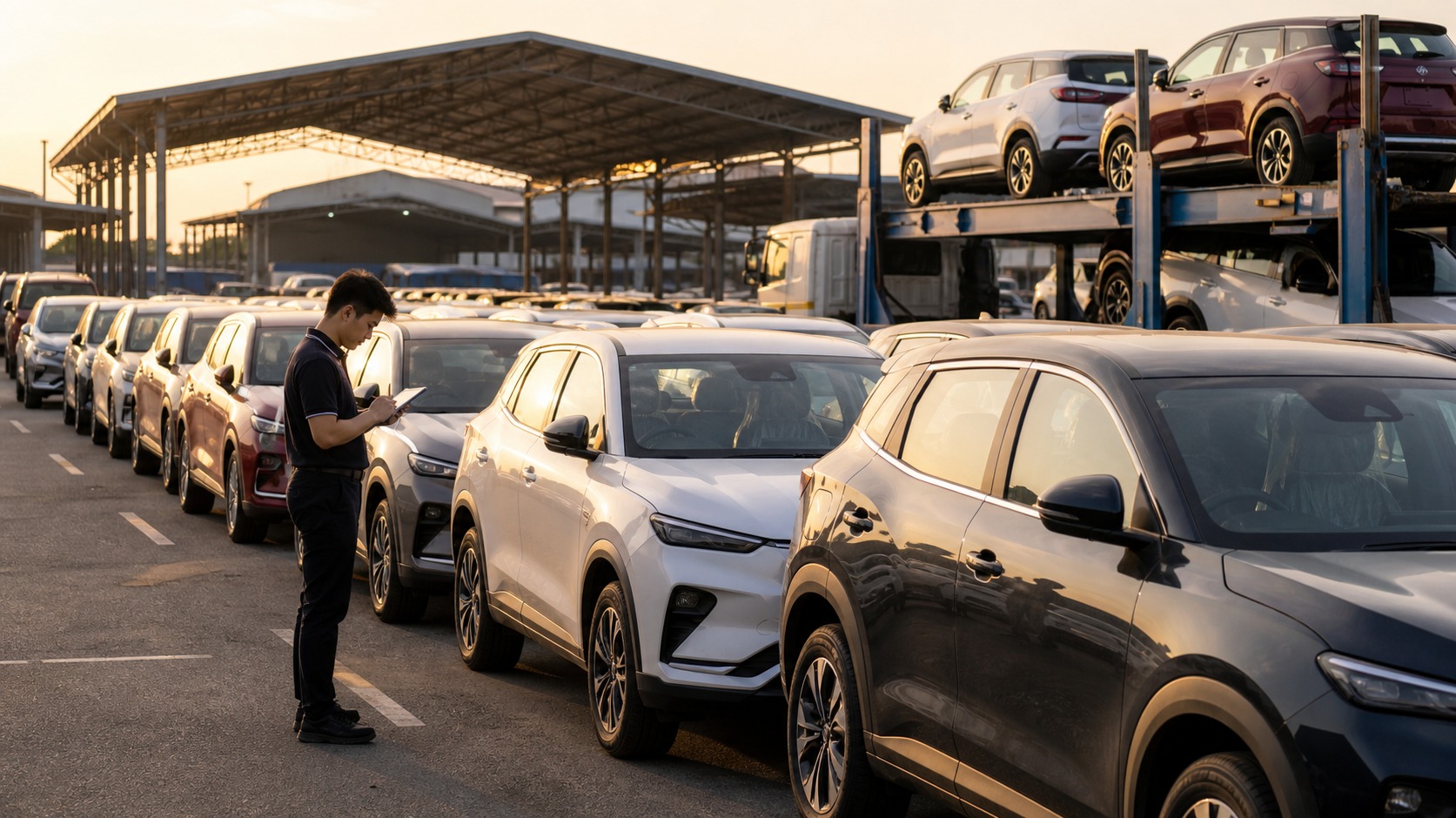
If your business may need a pickup, van, staff car, or other road asset this year, the useful question is not whether showrooms will be busy. It is whether the second half of 2026 could offer a better buying window. BusinessToday reported on 22 June 2026 that Malaysia’s auto sector is expected to rebound in 2H 2026 as discounts, rebates, booking backlog, and lending changes support market momentum.
For Malaysia business owners, that matters because vehicle timing is rarely just a consumer decision. It affects delivery capacity, staff mobility, replacement planning, and how much monthly room is left for stock, payroll, or equipment.
What Happened
BusinessToday, citing Kenanga Research, reported that Malaysia’s total industry volume for vehicle sales fell 15% month-on-month and 12% year-on-year in May 2026. The report said the softer month was mainly linked to a shorter working period caused by multiple public holidays falling close together.
Even so, the same report said the market could recover in June and the second half of 2026, helped by promotional campaigns linked to KLIMS 2026, wider discounting, rebates, and a still-healthy booking backlog. BusinessToday also reported that the backlog stood at around 205,000 units as at end-February 2026, above the 2025 average.
Kenanga’s view was that the market is shifting into a more competitive phase. Manufacturers are using promotions more actively to win share, while policy issues such as the planned open-market-value excise duty framework and changes to hire purchase loan rules remain important background signals for buyers.
Why It Matters For Malaysian Businesses
For SMEs, the main takeaway is not that every vehicle will suddenly become cheap. The real point is that price competition may become more visible, and buyers who can plan calmly may have more room to compare timing, stock availability, and repayment structure.
This matters in several practical situations:
- a business wants to replace an aging company vehicle before repair costs climb again
- an operator expects higher delivery or site-movement demand in the next few months
- a growing company needs one more road asset but wants to avoid overstretching cash flow
When dealers are pushing discounts and rebates, some buyers gain negotiating room. But when the market is also dealing with backlog, model launches, and policy adjustments, the best choice is not always the lowest sticker price. It may be the vehicle that can actually be delivered on time and financed on terms the business can comfortably carry.
What To Watch Before You Commit
First, watch whether the promotion is solving a real business need or just creating urgency. A discount can help, but it does not automatically make the asset affordable if the monthly commitment still crowds out working capital.
Second, pay attention to delivery timing and stock availability. BusinessToday’s report noted strong interest in newly launched models and continuing demand in affordable segments. That means headline promotions may not always match real availability.
Third, keep an eye on the financing side. The report said changes such as the abolition of the Rule of 78 and the flat-rate loan structure are expected to support a fairer lending environment over time. That does not mean every borrower will immediately get easier approval, but it does mean repayment transparency and buyer confidence may matter more in upcoming purchase decisions.
Businesses comparing a road asset purchase with other needs should also weigh whether a structured hire purchase arrangement or broader loan financing discussion fits the timing better than a rushed purchase decision.
Where Ing Heng Fits
Ing Heng fits at the planning stage of this story, not the market headline. If your business expects to add or replace a vehicle soon, the practical step is to compare the asset need, likely delivery timing, and monthly repayment room before promotion-led decisions start to compress the timeline.
That is especially relevant for SMEs that are balancing vehicle replacement with stock purchases, machinery needs, or broader expansion plans. A more competitive market can create opportunity, but only if the financing structure still supports day-to-day operating stability.
News Source
- BusinessToday. “Auto Sector To Rebound As Discounts And Rebates Push Sales In 2H.” Published 22 June 2026. Source URL: https://www.businesstoday.com.my/2026/06/22/auto-sector-to-rebound-as-discounts-and-rebates-push-sales-in-2h/
Questions Business Owners Ask
Why did Malaysia vehicle sales fall in May 2026?
BusinessToday, citing Kenanga Research, reported that Malaysia's total industry volume fell 15% month-on-month and 12% year-on-year in May 2026 mainly because several public holidays shortened the working month.
Why is the second half of 2026 expected to improve?
The report said discounts, rebates, KLIMS-related promotions, a large booking backlog, and a gradually fairer lending environment could help sales recover in the second half.
Why should business buyers care about this if they are not buying passenger cars?
A more promotional vehicle market can affect pricing expectations, dealer urgency, stock timing, and financing confidence across business-use vehicle decisions, especially for SMEs planning replacement or fleet additions.
Related News
Malaysia Economy News
Malaysia's Fuel Subsidy Exposure Is Still A Cost-Planning Signal For SMEs

Malaysia Economy News
Sunway's RM1.044 Billion US Tech Fit-Out Job Could Tighten Contractor Capacity

Malaysia Economy News
