Selangor's RM209 Million Resilience Package Matters If Your SME Is Watching Cash Flow
BusinessToday reported on 20 June 2026 that Selangor launched a RM209.26 million resilience package. For Malaysian SMEs, contractors, and traders, the practical question is which cost and cash-flow pressures this package signals right now.

BusinessToday reported on 20 June 2026 that Selangor launched Phase 2 of its resilience package worth RM209.26 million. If you run a business in the state, the more useful reading is not just that new support exists. It is that policymakers are reacting to real strain around costs, liquidity, and business continuity.
That is why this matters for SMEs now. When a state package highlights contractor cash flow, entrepreneur financing, rental relief, and moratorium support in the same announcement, it usually means operators are already feeling pressure from slower spending, higher costs, or tighter project timing.
What Happened In Selangor
According to the BusinessToday report, the package includes a RM100 million Selangor Advance (SA500) programme to support cash flow for companies and contractors involved in state, district, and local council infrastructure work. The report said the measure is expected to benefit around 500 firms.
BusinessToday also reported RM20 million in interest-free financing for 2,000 entrepreneurs, restructuring support for 6,000 HIJRAH borrowers without extra interest or penalties, and relief such as a 30% rental reduction for traders at local council premises.
An official Media Selangor report published on 19 June 2026 said Phase 2 contains 15 initiatives and brings the total value of both phases to RM355.06 million. Media Selangor also said the package was framed around global uncertainty, including supply-chain disruption and energy-market volatility.
Why SMEs Should Read This As A Cash-Flow Signal
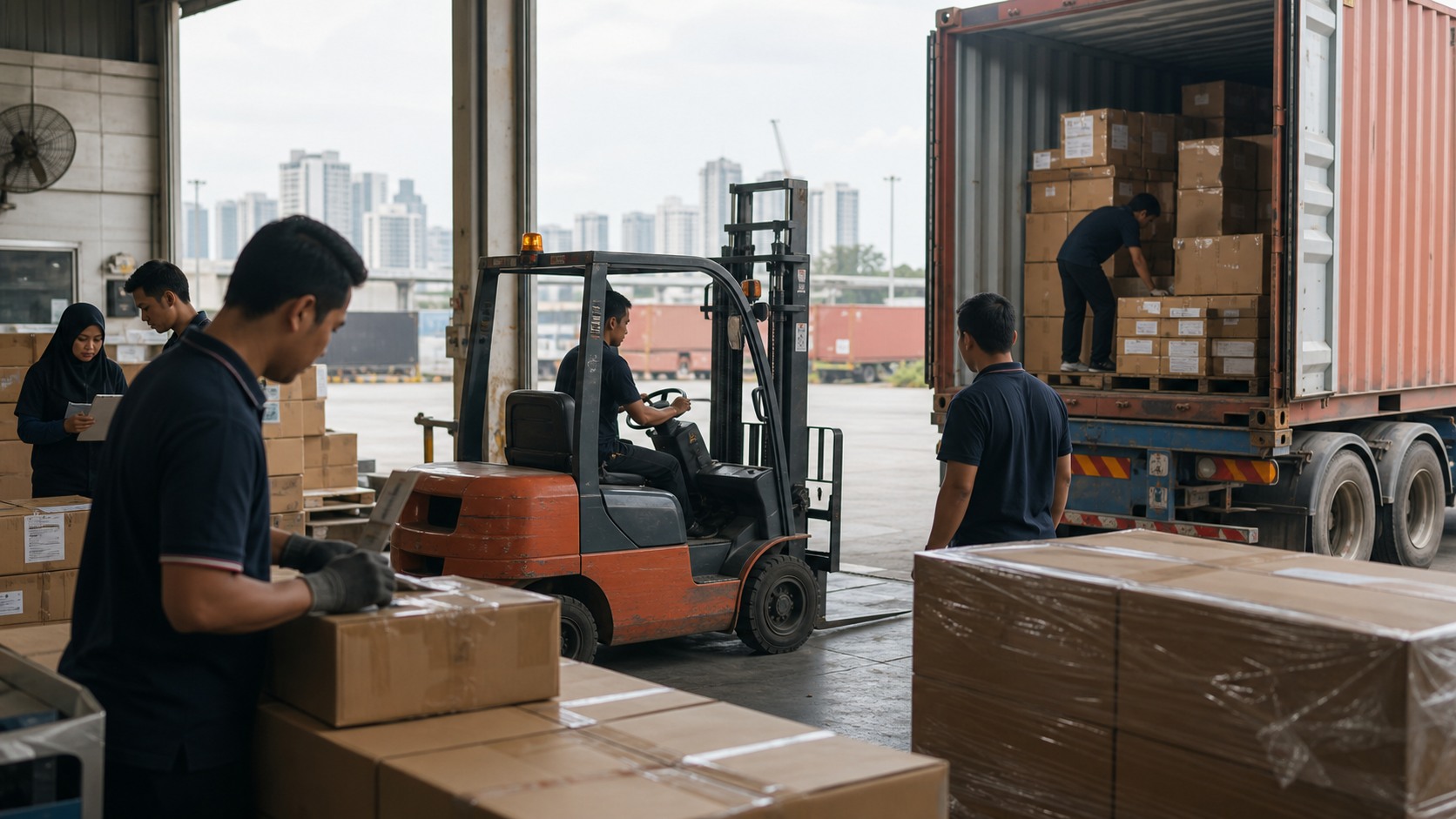
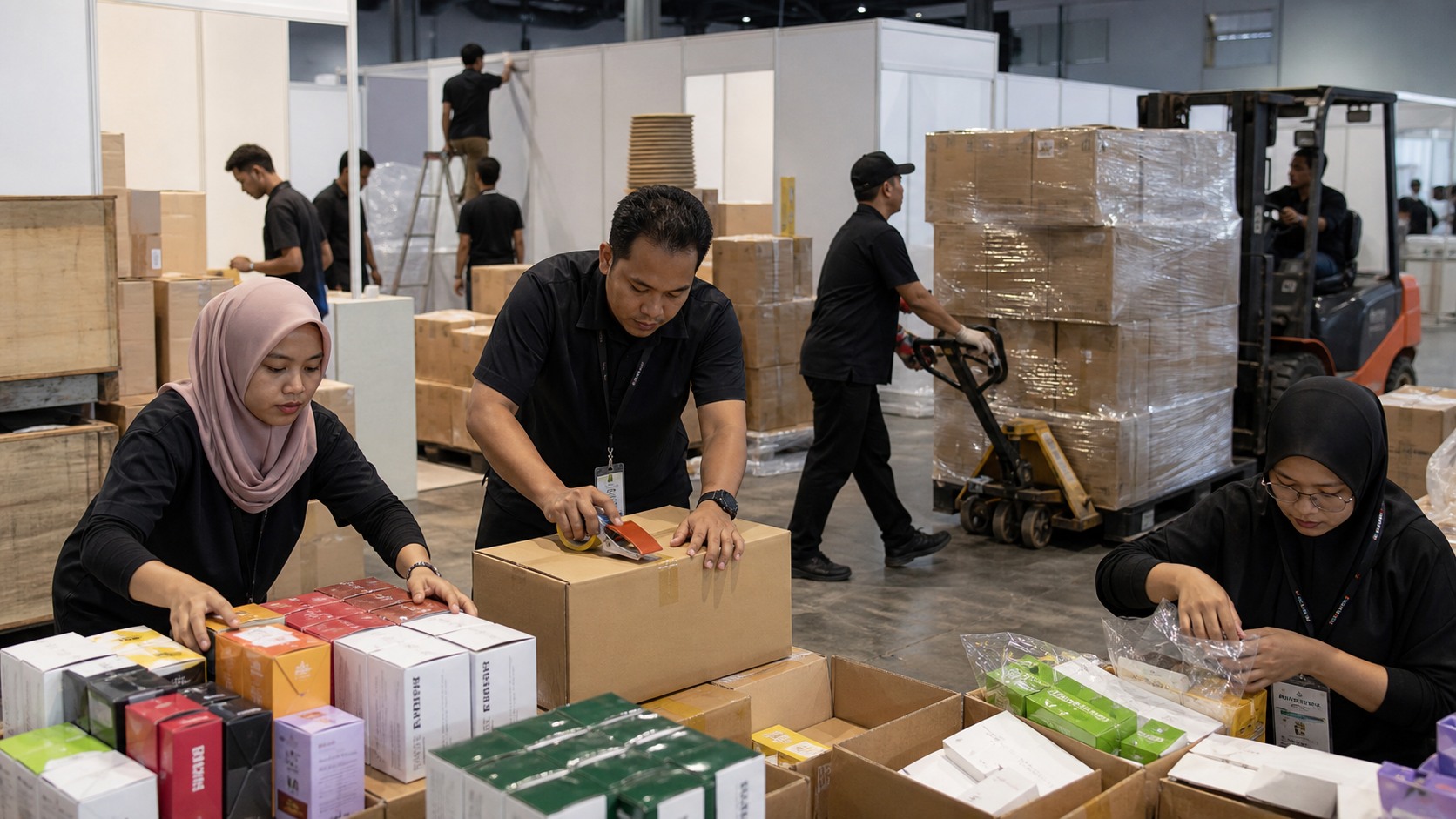
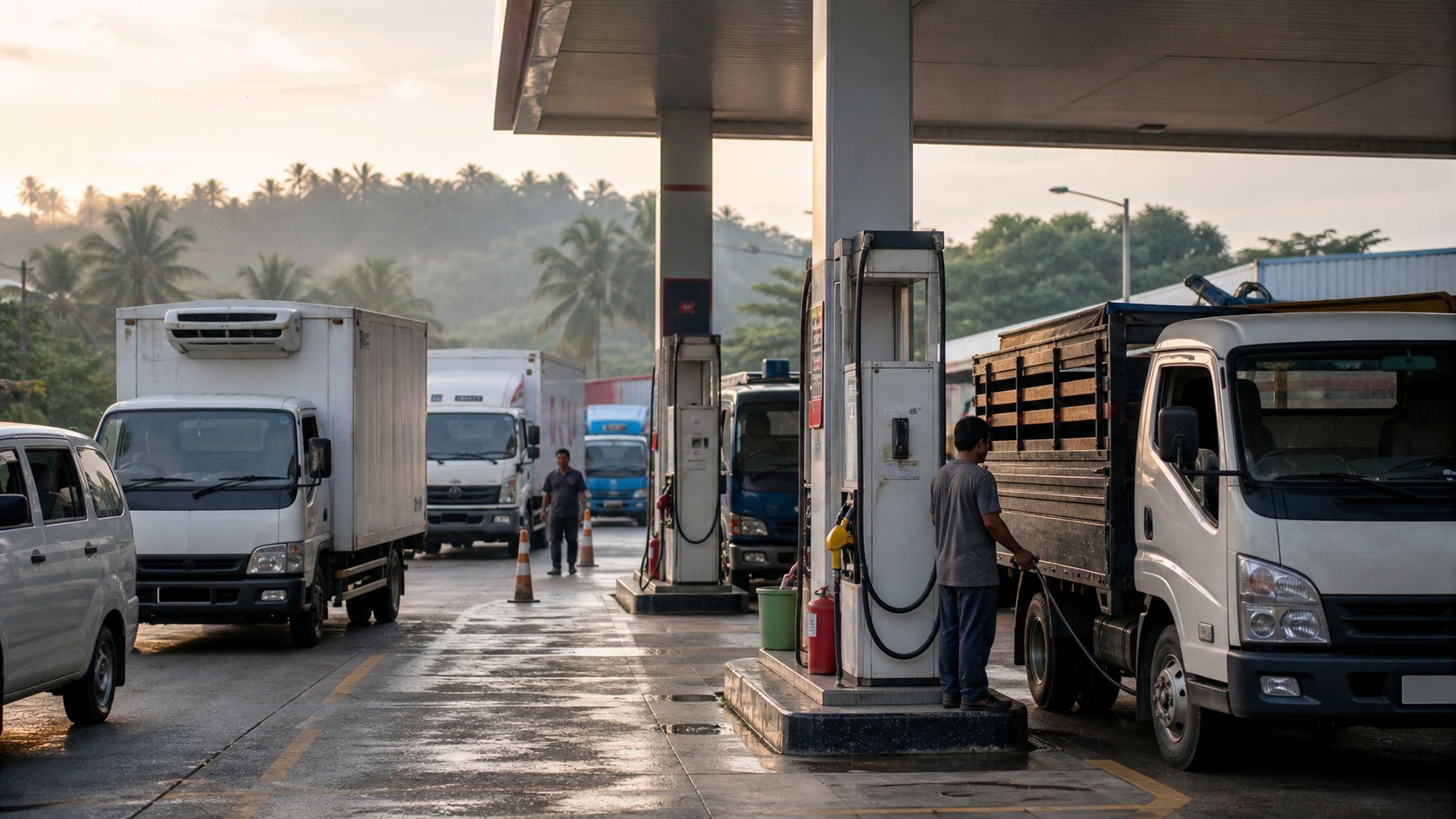
The package is broad, but the common thread is liquidity. Contractors need money to keep projects moving before invoices are collected. Traders need room if consumer spending weakens or inventory costs rise. Small manufacturers and logistics operators need working capital when delivery, payroll, fuel, and supplier commitments arrive faster than receipts.
That makes this more than a political headline. It is a signal that businesses in Selangor may need to plan around uneven cash cycles even if demand has not disappeared.
For project-linked SMEs, the SA500 detail matters most. If payment speed becomes a constraint, growth can still hurt. A business may have work in hand but still struggle with labour mobilisation, material purchases, transport, or servicing an aging machine before collections land.
What Business Owners Should Watch Next
The practical question is not whether your company qualifies for every initiative. It is whether the same pressures behind the package are already showing up in your numbers.
Look closely at:
- whether customer payments are arriving later than supplier bills
- whether rental, payroll, fuel, or stock costs are absorbing more monthly cash than expected
- whether one unreliable vehicle or machine could turn a tight month into an operational problem
- whether project wins are creating upfront spending pressure before margins are secured
If those conditions are already visible, support packages may buy time, but they do not replace operational planning. You may still need to review how working capital and equipment financing fit into a safer cash-flow plan.
Where Ing Heng Fits
Ing Heng fits only at the decision point of this story. If your business is facing tighter payment timing, asset replacement pressure, or expansion needs that no longer sit comfortably inside monthly cash flow, the sensible move is to assess financing room before the stress becomes urgent.
That does not mean borrowing because a state package exists. It means checking whether the business can stay flexible if costs move first and collections come later.
News Source
- BusinessToday. “Selangor Boosting Industries Capabilities With RM209 Million Package.” Published 20 June 2026. Source URL: https://www.businesstoday.com.my/2026/06/20/selangor-boosting-industries-capabilities-with-rm209-million-package/
Questions Business Owners Ask
What is the key business takeaway from Selangor's RM209.26 million package?
The package suggests state leaders expect real pressure on business liquidity, project timing, and household spending, especially in sectors such as logistics, manufacturing, retail, and construction.
Which initiative matters most for contractors and project-linked SMEs?
The SA500 allocation stands out because BusinessToday reported RM100 million is meant to improve cash flow for companies and contractors involved in state, district, and local council infrastructure projects.
Does this package remove the need for private financing decisions?
No. Relief measures may ease pressure, but SMEs still need to check whether instalments, supplier terms, payroll, and asset reliability are manageable if collections remain slower than operating costs.