Malaysia Wants RM932.3 Million In Durian Exports To China. What Cold-Chain SMEs Should Check Next
BusinessToday reported on July 5, 2026 that Malaysia is targeting RM932.3 million in durian exports to China by 2030. For Malaysian growers, packers, transporters, and cold-chain suppliers, the practical question is whether storage, handling, and shipment capacity are ready before export demand runs ahead of operations.
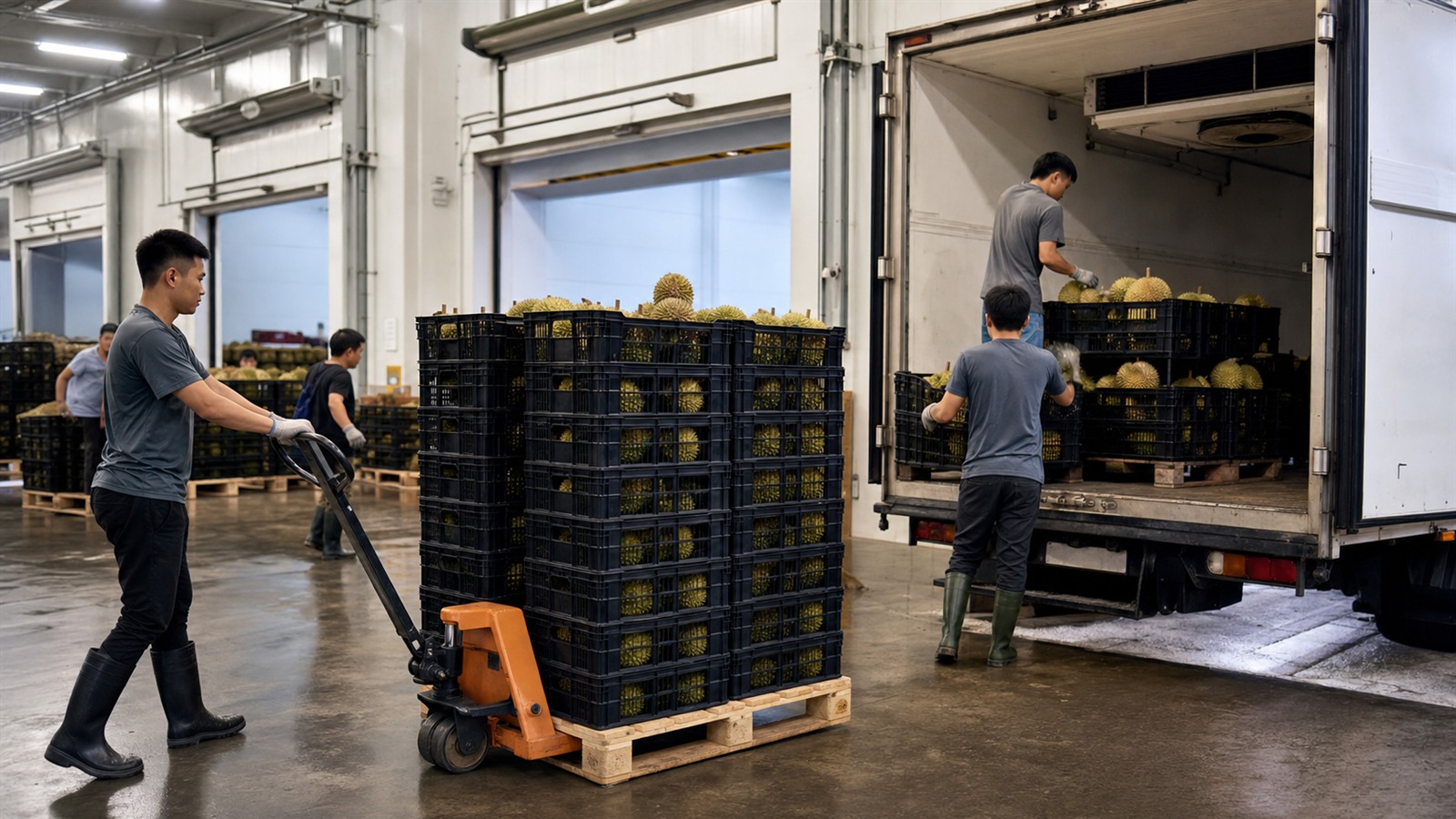
If your business touches fruit packing, cold storage, refrigerated transport, or export handling, this is not just a feel-good durian story. It is a signal that demand may grow faster than day-to-day operating capacity.
BusinessToday reported on July 5, 2026 that Malaysia is targeting durian exports to China worth US$229 million (RM932.3 million) by 2030, supported by stronger demand for both fresh and frozen durian.
For Malaysian SMEs, the real question is not whether durian is popular. It is whether your operation can keep fruit quality, shipment timing, and working cash under control if export volume keeps climbing.
What Happened
According to BusinessToday, MATRADE’s trade representative in Beijing said fresh durian exports surged by more than 500% after Malaysia gained market access to China in August 2024.
The report said fresh durian exports rose from about US$5 million to US$37 million in 2025, while frozen durian exports reached nearly US$202 million. In the first quarter of 2026 alone, total durian exports to China were reported at US$77 million.
BusinessToday also noted two details that matter for operators:
- China imports a very large durian volume overall, leaving room for Malaysia to expand
- Malaysia is positioning itself around premium fruit quality rather than price competition alone
That second point is important because premium positioning usually demands tighter handling standards, cleaner logistics, and fewer avoidable delays between harvest, packing, storage, and delivery.
Why This Matters For Malaysian Businesses
The upside in this story is wider than orchards alone.
If Malaysia wants to raise its share of China’s durian market, pressure can move quickly into the surrounding chain:
- collection and packing points
- cold rooms and freezer capacity
- refrigerated lorries and delivery coordination
- export paperwork and shipment timing
- downstream durian-based product processing
This is where a headline about export targets becomes a planning story for SMEs. A market can grow on paper long before every supplier is ready to serve it smoothly.
Businesses that depend on seasonal volumes often run into the same practical problem: demand rises, but storage, transport, and handling assets do not expand at the same speed. That can lead to spoilage risk, rushed deliveries, higher overtime, and slower cash conversion when product cannot move out cleanly.
What Cold-Chain Operators Should Check Now
The smart response is not to over-expand based on one headline. It is to check where operational pressure is most likely to appear first.
Useful questions include:
- whether existing cold-room space can handle higher seasonal peaks
- whether loading and unloading tools are becoming a bottleneck during busy periods
- whether refrigerated vehicles are reliable enough for longer or more frequent trips
- whether premium-fruit handling standards are forcing more careful packing and stock movement
If those gaps are already showing up, businesses may need to compare whether a cold-chain lorry financing plan or a broader warehouse equipment financing option makes more sense before export growth becomes more demanding.
The point is not to force new spending. It is to avoid reaching peak demand with weak logistics capacity.
What To Watch Next
The next signal is whether export ambition turns into repeated operational demand.
Owners should watch for:
- larger or more regular orders from buyers and distributors
- tighter delivery timing around premium fresh-fruit shipments
- stronger demand for frozen or processed durian output
- signs that warehouse, packaging, or transport partners are reaching their limit during peak periods
If those signals build, the pressure on SMEs will not just be about finding customers. It will be about protecting quality, maintaining delivery reliability, and funding the extra capacity needed to keep the export opportunity usable.
Where Ing Heng Fits
Ing Heng fits at the asset-planning end of this story. If export growth is pushing your business to add a refrigerated vehicle, cold-storage handling tools, or support equipment, it can help to review financing options before seasonal demand forces a rushed decision.
The main article still stands without that final note. The real business takeaway is simpler: when export demand rises in a premium product category, the operational winners are often the firms that prepare storage, handling, and transport capacity before the bottleneck appears.
News Source
- BusinessToday. “Malaysia Targets RM932.3 Million Durian Exports To China By 2030.” Published July 5, 2026. Source URL: https://www.businesstoday.com.my/2026/07/05/malaysia-targets-rm932-3-million-durian-exports-to-china-by-2030/
Questions Business Owners Ask
What export target did BusinessToday report for Malaysia durian sales to China?
BusinessToday reported on July 5, 2026 that Malaysia is targeting durian exports to China worth US$229 million, or about RM932.3 million, by 2030.
Why does this matter to SMEs beyond durian farms?
Because stronger export demand can also affect packers, cold-storage operators, transporters, processors, and suppliers that support handling, shipment timing, and product quality.
What operational issue matters most if exports grow faster?
The main issue is whether businesses can preserve fruit quality and move product on time through storage, handling, transport, and export preparation without creating cash-flow strain.
Related News

World Economy News
MSPO Won Dutch Recognition. What Malaysia Palm Oil Exporters Should Check Before EUDR Deadlines Arrive
World Economy News
FMM Warns West Asia Crisis Is Hitting Malaysia Manufacturing. What SMEs Should Watch Next

World Economy News