Malaysia's Q2 Services Revenue Hit RM714.7 Billion. What SMEs Should Watch Before Demand Feels Easier
BusinessToday reported on August 12, 2026 that Malaysia's services sector revenue rose 11.2% year on year in the second quarter to RM714.7 billion. For Malaysian SMEs, the practical question is whether stronger services activity now supports hiring, stock, transport, and equipment moves or just tighter demand planning.
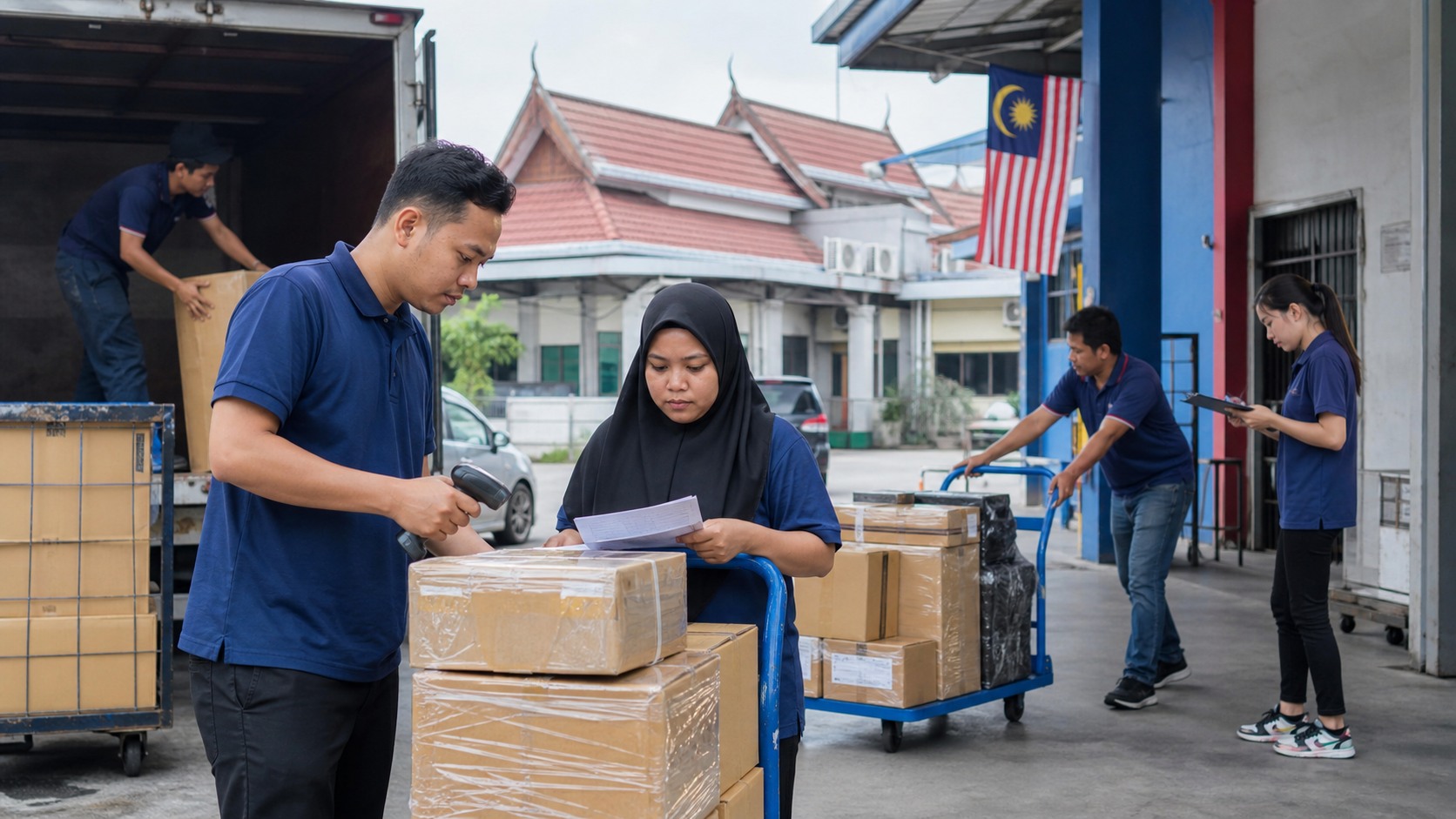
If more customers are moving, travelling, ordering, and spending, the useful question is not whether the economy looks healthier on paper. It is whether that extra activity is reaching your business in a way that justifies new hiring, stock commitments, delivery capacity, or equipment upgrades.
BusinessToday reported on August 12, 2026 that Malaysia’s services sector revenue rose 11.2% year on year to RM714.7 billion in the second quarter of 2026, with a further 4.9% increase from the first quarter. The report also said services employment grew 2.3% year on year to 4.7 million people, supported by stronger activity in transportation and storage plus personal and other services.
For Malaysian SMEs, this is a broad demand signal. It suggests that consumer-facing and business-facing activity stayed active through the quarter, but it does not automatically mean every operator should expand. The real planning issue is whether stronger service activity is translating into steadier collections, fuller utilisation, and more predictable order flow.
What Happened In The Second Quarter
According to BusinessToday, citing DOSM, Malaysia’s services economy stayed on a firm growth path in Q2 2026.
The report linked the quarter’s improvement to resilient domestic demand and stronger trade activity. It said festive celebrations and the mid-year school holidays lifted movement across wholesale and retail trade, food and beverage, accommodation, and transportation and storage. It also pointed to financing and insurance activity and continued demand for data-centre and telecommunications services.
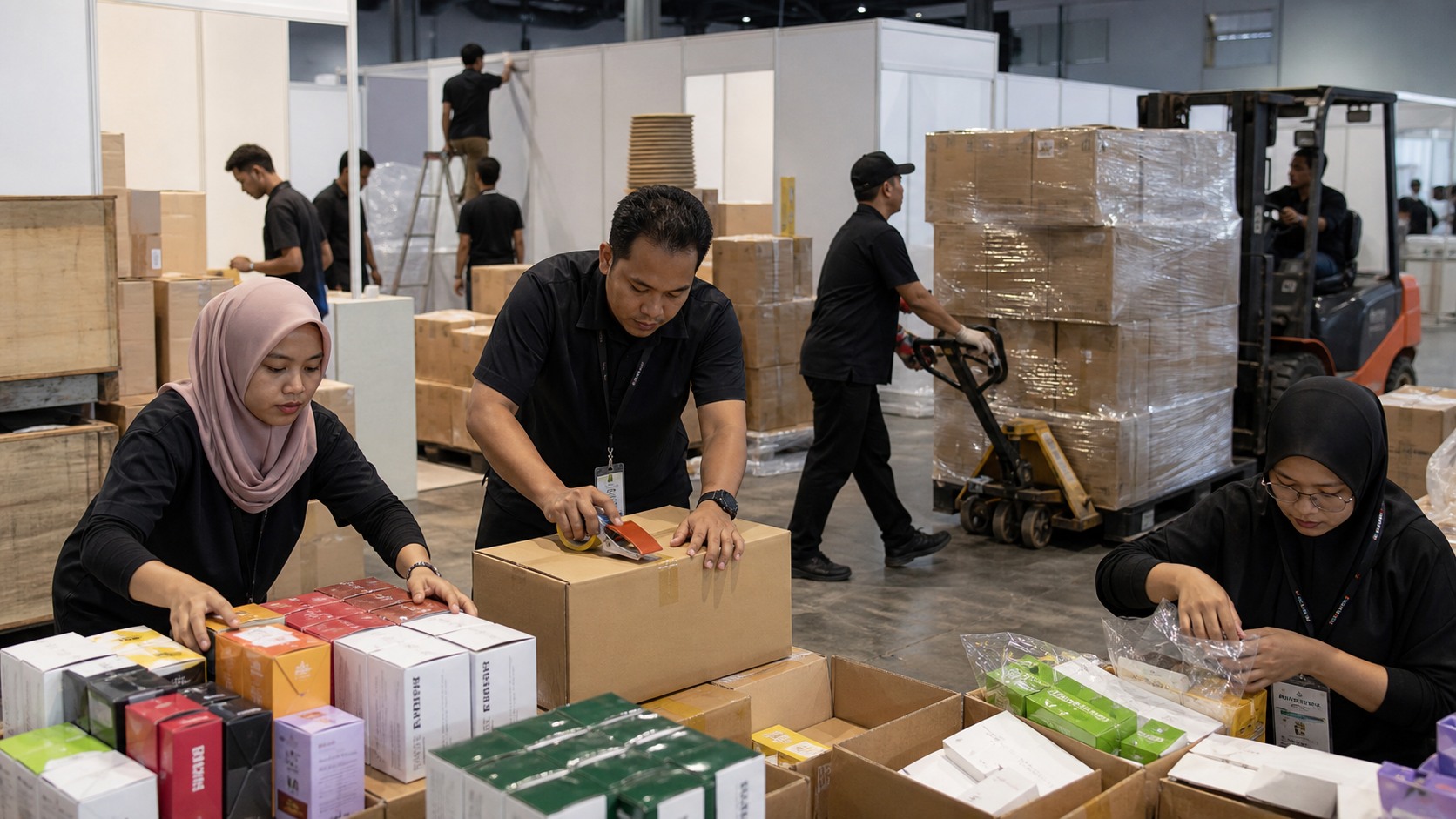
That matters because services growth is not limited to one narrow segment. When customer activity broadens across transport, retail, food service, logistics, finance, and digital support, smaller businesses often feel it through more deliveries, higher stock turnover, busier crews, and less room for downtime.
Why This Matters For Malaysian SMEs
The search intent behind this story is straightforward: what does stronger services revenue mean for SME demand, staffing, and capacity planning right now?
The first issue is demand quality. A stronger national services number is useful, but your own business still needs repeatable orders, timely collections, and enough utilisation to support new fixed commitments.
The second issue is staffing and operations timing. When service activity rises, many SMEs feel pressure before they feel comfort. Routes get busier, service slots fill faster, support staff get stretched, and older equipment or vehicles may start slowing fulfilment.
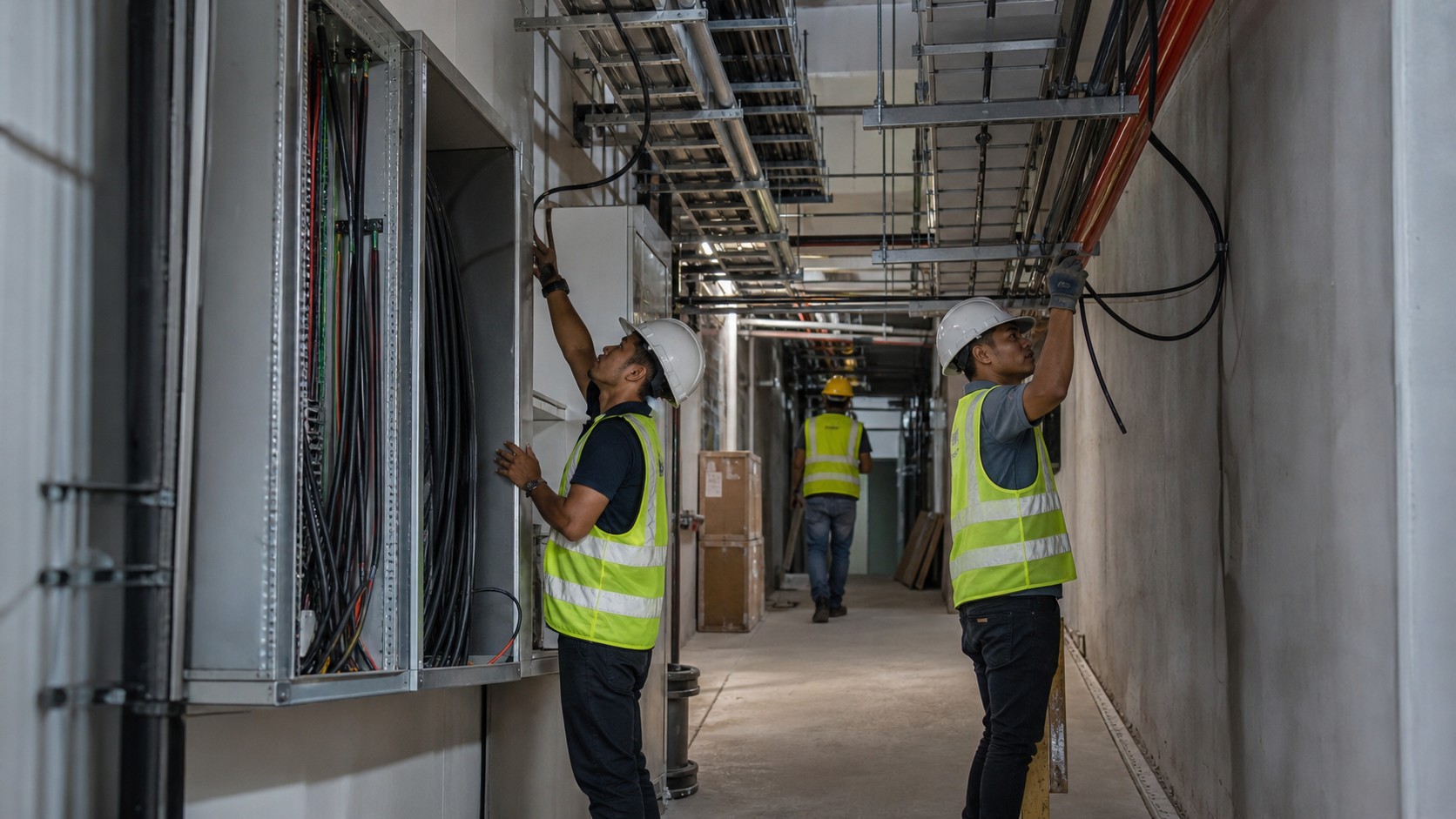
The third issue is capacity discipline. Stronger traffic is not the same as durable margin. For one business, the answer may be scheduling better. For another, it may be replacing a van, forklift, generator, kitchen unit, or support system that is already causing delays or overtime.
This is why a broad services rebound should lead to tighter operating checks, not automatic expansion.
What Owners Should Check Before Expanding
Before adding staff, taking more stock, or committing to a new asset, compare the signals that usually show whether stronger activity is actually becoming usable cash flow:
- confirmed orders versus seasonal spikes
- customer payment timing and overdue patterns
- current vehicle or equipment utilisation
- staff overtime, delivery delays, or service bottlenecks
- supplier lead times and replacement urgency for hard-working assets
If those pressure points are building, it may help to compare equipment financing, commercial vehicle financing, or loan financing against how quickly a new asset can support confirmed work instead of speculative growth.
It also helps to read this together with our earlier explainers on Malaysia’s June manufacturing sales and Malaysia’s Q2 services price pressure. Those stories point to the same operational truth: stronger demand is helpful only when margin, collections, and fulfilment capacity are moving in the same direction.
What To Watch Next
The next question is whether this stronger services quarter carries into more stable demand after the festive and holiday-driven lift fades.
If domestic demand stays resilient, SMEs tied to transport, logistics, retail support, food service, maintenance, and digital operations may need to prepare for fuller order books and earlier replacement decisions on heavily used assets. If activity stays high but payment timing remains uneven, the risk shifts back to cash-flow strain.
That distinction matters more than the headline itself. Businesses rarely run into trouble because one quarter looked strong. They run into trouble when they assume the stronger quarter has already solved timing risk inside their own operations.
Where Ing Heng Fits
Ing Heng fits this story as a planning checkpoint rather than a sales pitch.
If your business is seeing stronger service-linked demand and needs a vehicle, equipment upgrade, or support asset to keep service levels up, the useful move is to test repayment timing against real orders, collections, and downtime risk. Better sector revenue is encouraging, but it does not remove the need to stage expansion carefully.
News Source
- BusinessToday. “Malaysia’s Service Sector Revenue Surges 11% To RM714 Billion In Q2.” Published August 12, 2026. Source URL: https://www.businesstoday.com.my/2026/08/12/malaysias-service-sector-revenue-surges-11-to-rm714-billion-in-q2/
- Department of Statistics Malaysia. “[2Q 2026] Services” publication listed on August 12, 2026. Source URL: https://open.dosm.gov.my/publications
Questions Business Owners Ask
What happened to Malaysia's services sector revenue in Q2 2026?
BusinessToday reported on August 12, 2026 that Malaysia's services sector revenue rose 11.2% year on year to RM714.7 billion in the second quarter of 2026, with a further 4.9% increase from the first quarter.
What helped support services growth in the second quarter?
The report said stronger domestic demand, festive and school-holiday mobility, and higher activity in wholesale and retail trade, food and beverage, accommodation, transportation, digital services, and financing helped support the quarter.
Why should SMEs care about stronger services revenue?
Broader services growth can signal better customer activity, but it also affects staffing, delivery timing, inventory turns, vehicle use, and whether capacity investments are being made ahead of reliable collections.
What should SMEs check before expanding after stronger service-sector data?
They should compare confirmed order flow, customer payment timing, utilisation of current staff and assets, supplier lead times, and whether a new vehicle or equipment purchase solves a real fulfilment bottleneck.