Malaysia's Fuel Subsidy Exposure Is Still A Cost-Planning Signal For SMEs
BusinessToday reported on August 23, 2026 that Malaysia faces an estimated RM750 million in added annual fiscal exposure for every US$1-per-barrel rise in oil prices. For Malaysian SMEs, the practical question is how long fuel-related cost pressure, subsidy policy risk, and transport pricing could stay in play even without a fresh oil shock.
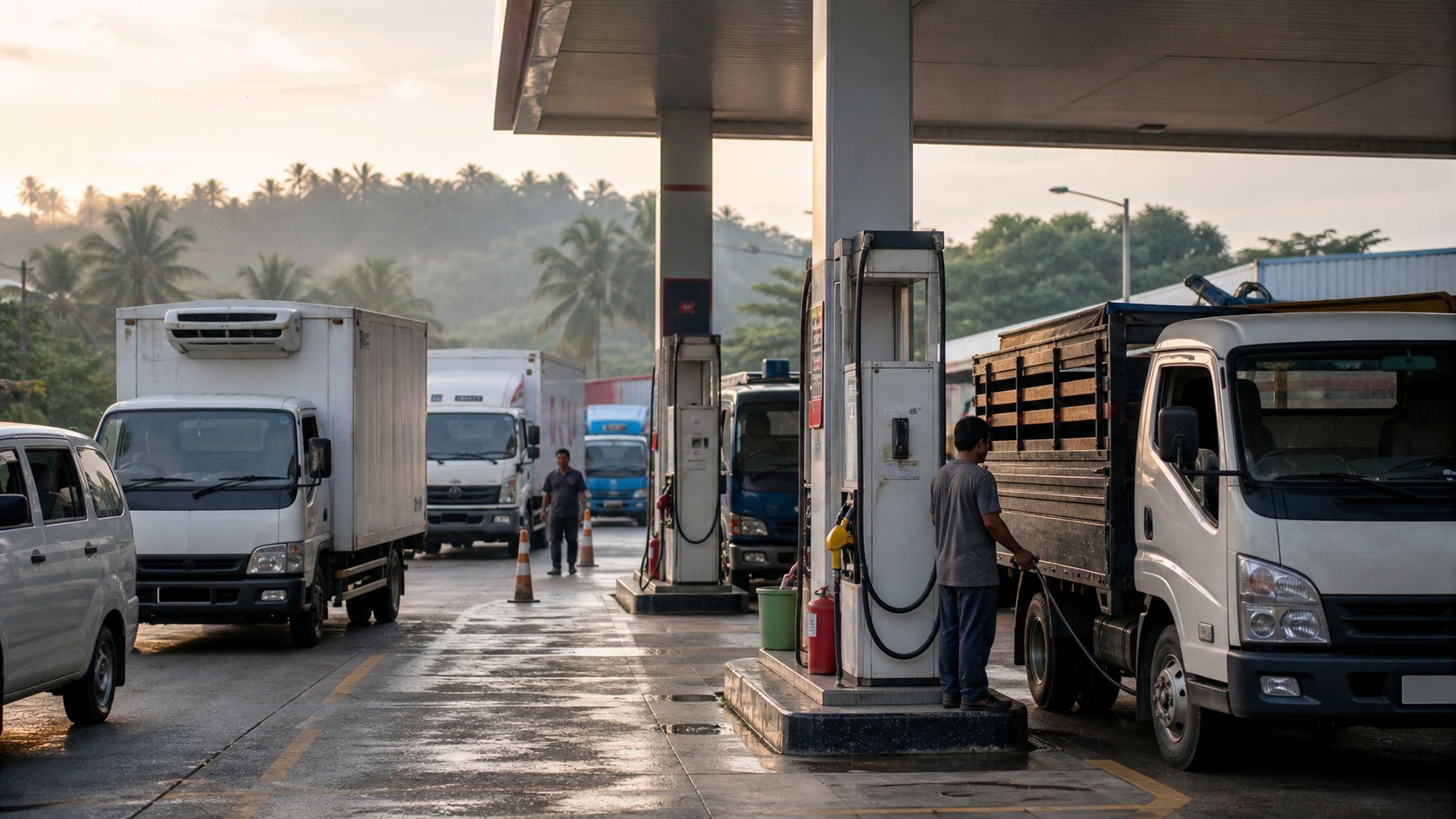
If fuel-sensitive costs are already showing up in your delivery quotes, supplier terms, or customer pricing discussions, the real problem is not only today’s pump price. It is whether your business can still plan confidently if subsidy pressure keeps the policy outlook unsettled.
BusinessToday reported on August 23, 2026 that Kenanga Research estimates Malaysia faces about RM750 million in additional annual fiscal exposure for every US$1-per-barrel increase in oil prices. The report said higher petroleum revenue only partly offsets the rising cost of fuel subsidies, leaving the government’s fiscal position exposed even though Malaysia remains an energy exporter on paper.
For Malaysian SMEs, the search-intent question is simple: what does that fuel subsidy exposure mean for cost planning if oil prices stay elevated?
What Happened In The August 23 Fuel Subsidy Report
According to BusinessToday, Kenanga’s analysis points to a gap between what the government gains from higher oil-linked revenue and what it may still need to absorb through subsidy costs.
The report said:
- every US$1-per-barrel rise in oil prices may add about RM300 million a year in petroleum revenue, based on Ministry of Finance estimates
- the related subsidy-cost increase is estimated at around RM1.05 billion a year
- that leaves a net fiscal exposure of about RM750 million annually for each US$1 move in oil prices
- Malaysia’s 2026 petroleum-product subsidy bill could still reach roughly RM38 billion to RM43 billion, based on the cited estimates
BusinessToday also reported that targeted subsidy measures have already reduced part of the pressure. Kenanga estimates BUDI95 could generate annual savings of RM2.5 billion to RM4 billion, while BUDI Diesel may contribute another RM2 billion in savings from July.
Those are reported figures from the source article. The business implication below is Ing Heng’s reading of what that cost exposure can mean on the ground for SMEs.
Why This Matters For SME Cost Planning
The immediate takeaway is not that every small business should expect a sudden policy shock. It is that fuel remains a live cost variable across the wider economy, even when headline prices look temporarily stable.
If subsidy exposure stays large, businesses may feel the pressure in four practical places:
- transport and delivery charges that become harder to lock in for long periods
- supplier quotations that shorten because vendors are less willing to absorb fuel-related volatility
- customer pricing resistance when you need to pass through higher operating costs
- cash-flow gaps when working expenses move faster than collections
This is especially relevant for logistics operators, site-based contractors, wholesalers, field-service teams, distributors, and retailers with frequent restocking cycles. But it also matters to smaller firms outside transport, because fuel pressure can spread through freight, utilities, packaging, inventory turns, and consumer spending confidence.
What Businesses Should Watch Next
The useful next step is not guessing the next pump-price headline. It is checking where fuel sensitivity already sits inside your operation.
Start with:
- delivery routes or fleet usage that are becoming less efficient
- supplier terms that may tighten if energy costs remain volatile
- gross margins on jobs or orders with fixed quoted prices
- asset decisions that may be delayed or rushed because operating cash is less predictable
For related context, it helps to compare this with our earlier explainers on diesel-price volatility and operating costs in Malaysia, BUDI Diesel support signals for operators, and diesel pricing at RM2.10 in July 2026. Together, they show that the question is no longer only who qualifies for support. It is also how long cost uncertainty keeps affecting business timing.
If your business depends on vehicles, mobile crews, site work, or frequent stock movement, you may also want to compare commercial vehicle financing, equipment financing, or loan financing against actual operating exposure rather than against best-case fuel assumptions.
Where Ing Heng Fits
Ing Heng fits this story only at the planning edge.
If fuel-related pressure is making you rethink vehicles, equipment replacement, or short-cycle working capital, the useful move is to finance around confirmed usage, delivery demand, and repayment capacity rather than react to one macro headline. A business does not need certainty on every policy detail to tighten its cost plan now.
News Source
- BusinessToday. “Fuel Subsidy Reform Consequential For Fiscal Position.” Published August 23, 2026. Source URL: https://www.businesstoday.com.my/2026/08/23/fuel-subsidy-reform-consequential-for-fiscal-position/
Questions Business Owners Ask
What did BusinessToday report about Malaysia's fuel subsidy exposure on August 23, 2026?
BusinessToday reported that Kenanga Research estimates Malaysia faces about RM750 million in added annual fiscal exposure for every US$1-per-barrel rise in oil prices because higher subsidy costs outweigh the extra petroleum revenue.
Why does this matter to SMEs if they do not receive fuel subsidies directly?
Even when a business is not applying for subsidy support itself, fuel-sensitive transport, delivery, supplier, and consumer costs can still affect margins, pricing decisions, and cash-flow timing.
Did the report say targeted subsidies have reduced some of the pressure?
Yes. BusinessToday said Kenanga estimates BUDI95 could save RM2.5 billion to RM4 billion a year, while BUDI Diesel could contribute about RM2 billion in annual savings from July.
What should a small business watch next?
The practical signals are whether supplier quotations shorten, delivery charges move, pump-price policy changes accelerate, or cash gaps widen between operating spend and customer collections.
Related News

Malaysia Economy News
Sunway's RM1.044 Billion US Tech Fit-Out Job Could Tighten Contractor Capacity
Malaysia Economy News
Malaysia Could Tighten E-Commerce Rules By October 2026. What Local Sellers Should Check Now

Malaysia Economy News
