Stronger Singapore Dollar: What Malaysian SMEs Should Check on Supplier Invoices
A stronger Singapore dollar can raise the ringgit cost of an unchanged supplier invoice. Check invoice currency, conversion quotes and payment dates.

Your supplier can leave its Singapore-dollar price unchanged while the ringgit amount needed to pay it rises. If you buy parts, stock or equipment invoiced in SGD, check the currency and payment date before treating an old ringgit estimate as the final cost.
On 9 September 2026, BusinessToday reported that the Singapore dollar had moved above RM3.21 and the ringgit was at its weakest against that currency in about ten months. That is a dated market observation, not a rate guaranteed for your next transfer.
For Malaysian SMEs, the practical question is how much of an upcoming payment still needs to be converted from ringgit. The checks below are our operational interpretation of the news.
An unchanged invoice can need more ringgit
Consider a hypothetical S$10,000 supplier invoice. At an illustrative RM3.20 per Singapore dollar, its converted amount is RM32,000. At RM3.21, it is RM32,100: an extra RM100 before transfer fees or other charges.
These rounded rates illustrate the arithmetic; they are not a claim about your earlier or available bank rate. The calculation is simply the SGD invoice amount multiplied by the quoted ringgit cost of one SGD.
Apply the same check separately to a deposit and a later balance. If their conversion rates differ, using one estimate for the whole order can hide a change in the amount still payable.
Check the invoice currency, not the supplier’s address
A Singapore-based supplier may quote in SGD, MYR or another currency. Read the agreed quotation before assuming you have Singapore-dollar exposure.
If a price is fixed in ringgit, look at the quote’s validity and any adjustment terms. A currency headline alone does not establish that the agreed price has changed. If the price is fixed in SGD, ask your payment provider for the actual conversion quote and total ringgit debit.
Keep supplier-price changes separate from currency effects. That helps you explain why a purchase budget changed and avoids attributing every increase to the exchange rate.
Put payment dates beside the purchase budget
For each confirmed order, bring these details together:
- Amount and currency: Record what the supplier will receive, including the unpaid balance.
- Due dates: Separate the deposit, shipment payment and any amount due after installation.
- Conversion quote: Check the applicable rate, fees and quote expiry with your payment provider.
- Purchase scope: Identify delivery, installation or other items excluded from the supplier’s quotation.
- Customer commitment: Check whether you have already fixed your own selling price while purchase costs remain variable.
If your business also receives SGD, record when those funds will actually be available. An expected receipt arriving after the supplier payment is due does not resolve that timing gap.
Watch the next quotation, not just the next headline
One day’s movement does not establish where SGD/MYR will go next. For an operating decision, the useful evidence is your next executable conversion quote and the supplier terms you have agreed.
A stronger SGD can increase the ringgit cost of unpaid SGD purchases. A reversal can reduce it. Keep the budget tied to outstanding commitments so either change is visible before you confirm another order.
Where Ing Heng fits in an equipment purchase
If the invoice relates to equipment, you can discuss equipment financing with Ing Heng using the current supplier quotation and payment timetable. Make the purchase amount and timing clear before comparing financing options.
Financing does not remove exchange-rate changes from a supplier invoice. The first task remains understanding what you must pay, in which currency and on what date.
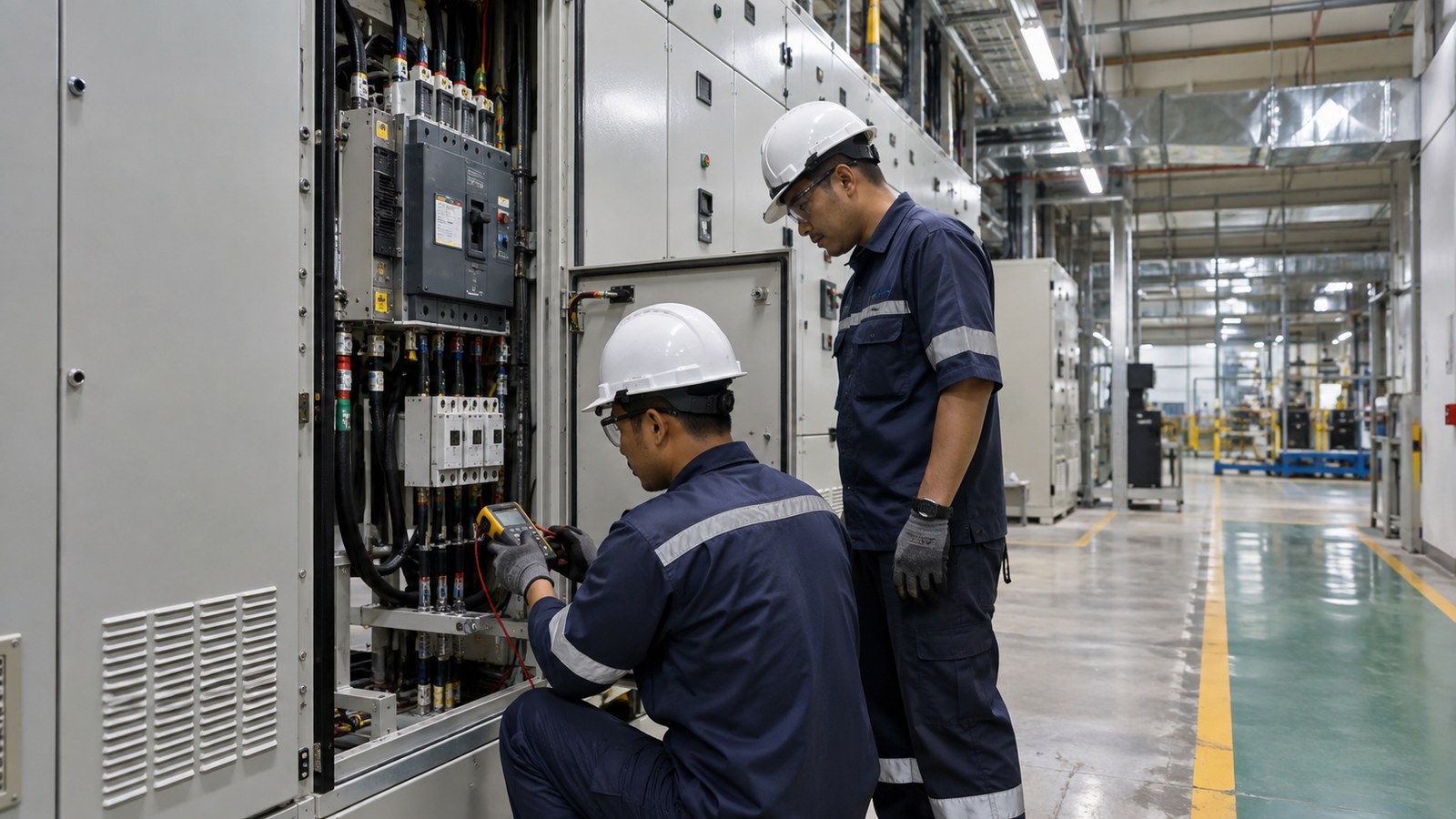
Source: BusinessToday, Ringgit Slides To 10-Month Low As Singapore Dollar Breaches RM3.21, published 9 September 2026. Image is an AI-generated illustration of a generic business operation.
A financing option related to this article
Compare the relevant financing route and documents before committing to a purchase.
Trade financingQuestions Business Owners Ask
Does a stronger Singapore dollar make every Singapore supplier invoice more expensive?
The direct conversion effect applies when you need ringgit to pay an amount fixed in Singapore dollars. If the agreed invoice is fixed in ringgit, review its terms rather than assuming the price changes automatically.
Can I use the exchange rate in a news report to budget a payment?
A reported market rate is a dated reference. Ask your payment provider for the rate, fees and total ringgit debit applicable to your transfer, and confirm how long the quote remains valid.
What should an SME check before confirming an equipment order?
Confirm the invoice currency, deposit and balance dates, quote validity, delivery and installation scope, and any charges excluded from the supplier price. Use the current quotation when discussing the purchase budget.