EPMB's RM100 million fuel-tank plan: what suppliers should check first
EPMB plans a Proton fuel-tank facility in Batang Kali. Malaysian suppliers should confirm process requirements, acceptance and delivery timing before adding machinery.
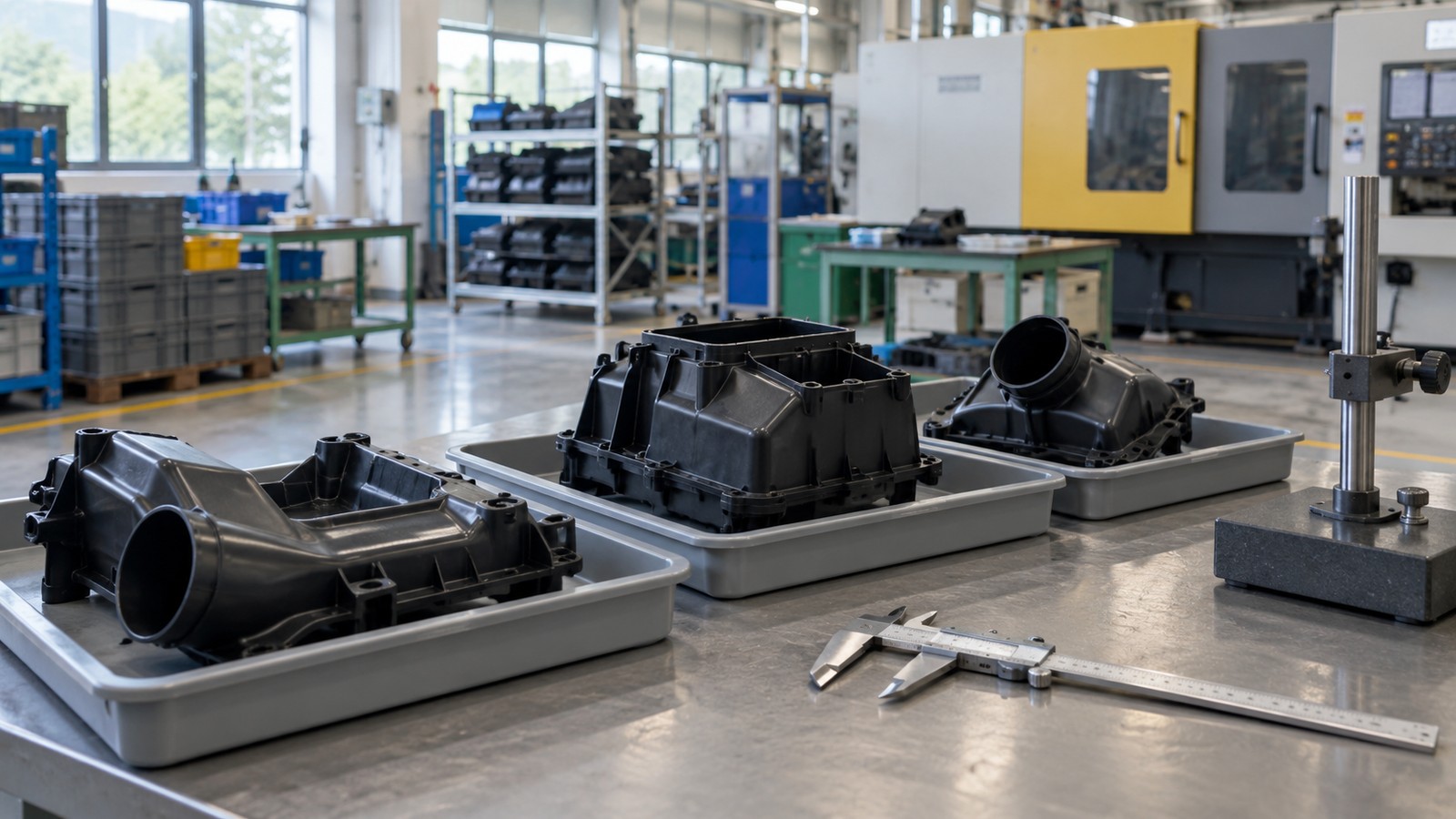
A new automotive factory can attract supplier interest before the work needed from each business is clear. For Malaysian component makers and production-service SMEs, the useful first question is whether their process can meet the buyer’s requirements. A larger machine matters only if it solves a confirmed production need.
BERNAMA reported on 12 October 2026 that EP Manufacturing Bhd, or EPMB, has entered a venture with Hebei Shichang Auto Parts for an RM100 million fuel-tank facility serving Proton. Its first phase is planned at EPMB’s Batang Kali manufacturing hub, with potential capacity of up to 200,000 plastic fuel tanks a year. Supply to Proton Tanjung Malim is planned for March 2027 after the facility is completed.
That timetable describes a planned factory, rather than proof that production has started. The report does not establish an award for an individual SME. The checks below are Ing Heng’s interpretation for businesses assessing their own possible work; they are not EPMB’s published procurement conditions.
Define the process before choosing the machine
An automotive enquiry may concern a complete component, one production step, an inspection service or the movement of finished parts. Establish which work your business would actually perform before comparing equipment.
Ask for the relevant specification and the output that must be delivered. A machine’s headline capacity does not show whether it can produce an acceptable part, fit your available space or work with the process already in place.
Where a sample or trial is requested, clarify who will assess it and what remains to be approved. Keep the cost of that trial separate from any assumed repeat production. The cited announcement does not specify a machine that smaller suppliers should buy.
Work out how a batch becomes acceptable
A production schedule is more useful when it includes the point at which the buyer accepts the work. Before reserving materials or machine time, clarify how inspection, rejected parts and changes will be handled for your own order.
Record the agreed requirements and keep the evidence that accompanies each batch. If an enquiry is still being evaluated, identify the outstanding decision instead of treating a provisional volume as confirmed sales.
These checks help distinguish technical readiness from commercial commitment. Passing a trial may support the next discussion, while a purchase order still needs its own quantities, delivery requirements and payment terms.
Test the delivery schedule against available capacity
The reported March 2027 supply target is a planning signal. It is not a delivery instruction to your business. Confirm your own start date, batch sizes and release arrangements through the buyer’s established contact route.
Then compare that work with existing commitments. Include the time needed for setup, inspection and dispatch when assessing capacity, rather than assuming every available machine hour can be used for production.
If extra equipment appears necessary, identify the specific constraint it would remove. An investment decision is easier to assess when it responds to a known process or workload gap rather than the size of the announced factory investment.
Watch for requirements that make the opportunity concrete
The next useful evidence for a smaller supplier would be a verified enquiry with a defined scope, an agreed acceptance process and a credible delivery schedule. The BERNAMA report does not establish an open supplier application or guaranteed demand for SMEs.
Before committing money, compare material purchases and equipment payments with the point at which your own work will be accepted and paid for. A prospective factory schedule cannot establish that cash cycle for you.
Source: BERNAMA, EPMB, Hebei Shichang To Set Up RM100 Mln Facility To Make Proton Fuel Tanks, published 12 October 2026. The image is generated contextual imagery and does not show the announced facility.
Considering equipment for confirmed factory work?
If a confirmed production requirement needs additional machinery, you can discuss equipment financing with Ing Heng. Bring the equipment proposal and the work it would serve so the discussion starts with your business’s actual requirement.
Keep the machine decision separate from possible future orders. Any financing proposal needs its own assessment; this news report does not establish eligibility, approval or a suitable payment arrangement.
Questions Business Owners Ask
What has EPMB announced about the planned fuel-tank facility?
BERNAMA's 12 October report describes an RM100 million venture with Hebei Shichang and a planned plastic fuel-tank facility at Batang Kali. It reports possible capacity of up to 200,000 tanks annually and planned supply to Proton Tanjung Malim in March 2027 after completion. These are plans, not evidence of current production.
Does the announcement establish an order for an individual SME supplier?
No individual SME supplier award or open procurement invitation is established by the cited report. Assess your own verified enquiry, written scope, acceptance requirements and commercial terms before committing machinery or materials.
What should a supplier check before adding production equipment?
Confirm the process and specification, how samples or batches will be accepted, the workload and delivery releases, and when payment follows. Check whether existing equipment can meet the requirement before assessing additional machinery. These are planning checks, not published EPMB procurement conditions.
Related News
Malaysia Economy News
Modenas' Egypt export plan: what suppliers should confirm before adding capacity

Malaysia Economy News
Budget 2027 Housing Measures: What Self-Employed Buyers Still Need to Check
Malaysia Economy News
