Malaysia's Carbon-Data Push Is Becoming A Contract Risk For SMEs
BusinessToday reported on August 9, 2026 that Malaysian SMEs without credible emissions data could start losing procurement slots, tenders, and cross-border supply opportunities as larger companies tighten Scope 3 reporting expectations. For business owners, the practical question is whether your operation can prove what customers will soon ask for.
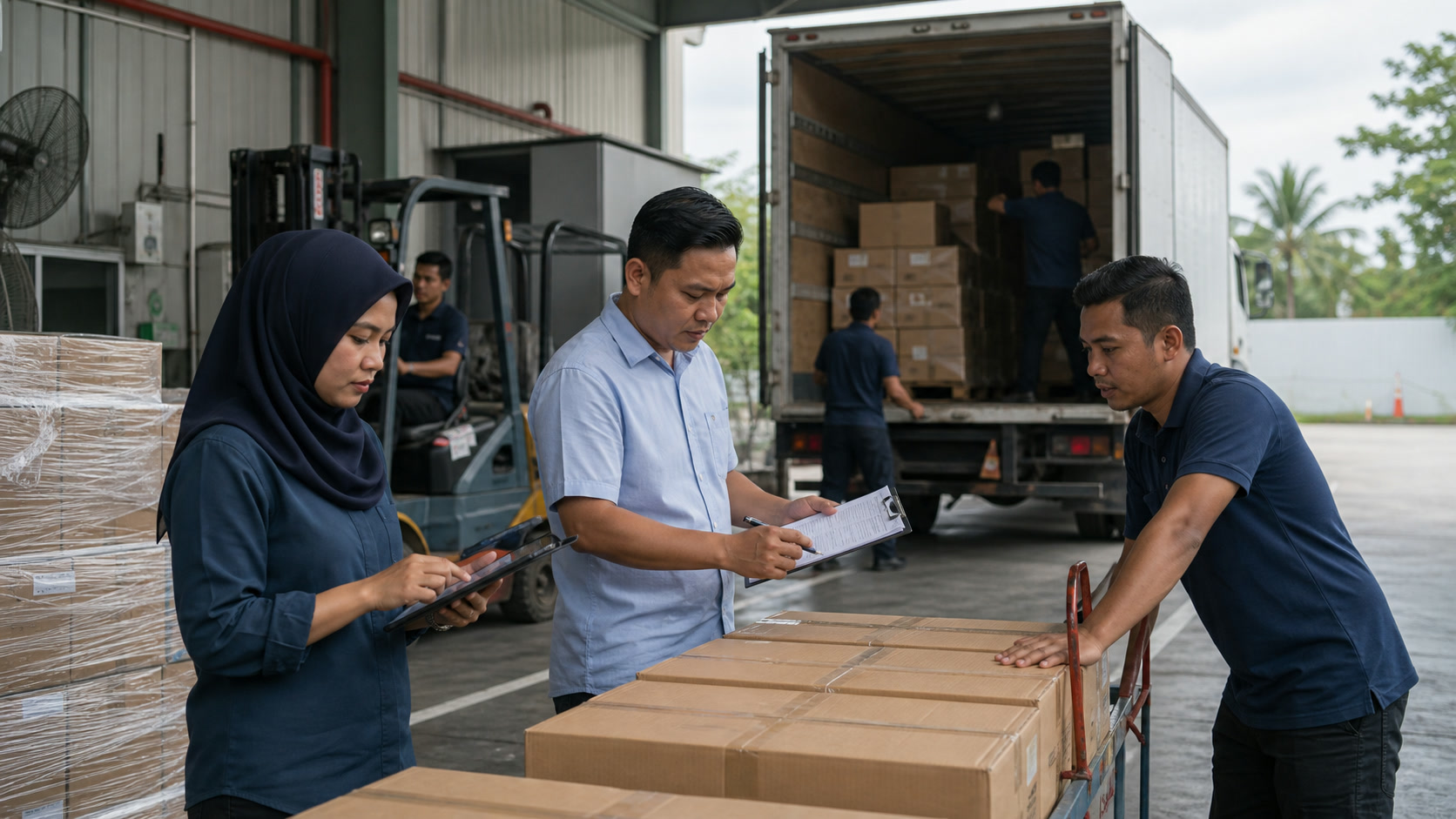
If your customers are getting stricter about supplier paperwork, this is the shift worth watching: they may soon ask for more than price, delivery time, and stock availability. They may also want proof of the carbon footprint behind what you sell or make.
BusinessToday reported on August 9, 2026 that Malaysian SMEs without credible emissions data risk being pushed off procurement lists, regional tenders, and cross-border supply chains as larger companies prepare for broader Scope 3 emissions reporting. The practical issue for business owners is simple: if a buyer asks for data you cannot provide, the contract risk starts before any invoice is even issued.
What Happened
According to BusinessToday, the pressure is building because more large companies now need better visibility into emissions across their supply chains, not only inside their own operations. The report cited ESGpedia vice president Jozsef Acabo, who said the dividing line is increasingly provable data versus opacity.
That matters in Malaysia because the country’s National Sustainability Reporting Framework is rolling out in phases. The Securities Commission Malaysia says the framework gives companies transition relief and extra time for more complex Scope 3 greenhouse-gas disclosures, but it also makes clear that supply-chain emissions are becoming part of normal reporting expectations.
In plain terms, a small supplier may not be the first party legally required to publish a detailed report, yet its larger customer may still need emissions-related information to satisfy procurement, investor, reporting, or cross-border compliance pressure.
Why This Matters For Malaysian SMEs
This is not only an ESG story. It is a sales and supplier-retention story.
If your business supplies parts, food, packaging, logistics, fabrication, maintenance, transport, or contract manufacturing, customers may soon ask questions such as:
- how energy-intensive is your process
- what type of vehicles or machinery are you using
- whether you can track fuel, electricity, or material usage
- whether your records are good enough for tender or onboarding reviews
For some SMEs, the first impact may be soft. A buyer asks more questions before renewing a contract. A tender team asks for extra supporting documents. A regional customer delays onboarding until supplier data is clearer.
For others, the impact may become commercial faster. If a competing supplier can show cleaner operations, better records, or a more credible improvement plan, that can become a pricing and confidence advantage even before regulation directly reaches smaller firms.
What Owners Should Watch Next
The right response is not to panic and start copying sustainability jargon into every proposal. It is to identify where customer pressure is most likely to land first.
Start with the parts of your operation that buyers can actually see or ask about:
- delivery vehicles and route efficiency
- electricity-heavy machinery or production lines
- fuel usage in fleets, generators, or site operations
- basic records on materials, utilities, and output
Then separate data gaps from equipment gaps. Some businesses mainly need better tracking discipline. Others may find that old vehicles, inefficient machinery, or high-energy processes are becoming harder to defend when customers compare suppliers.
If that is happening, the next useful question is whether your business can upgrade in a controlled way instead of waiting until a contract requirement becomes urgent. That may include reviewing equipment financing, commercial vehicle financing, or related planning alongside our earlier note on Malaysia’s carbon-tax rollout.
Where Ing Heng Fits
Ing Heng fits at the practical planning edge of this story. If customer compliance demands are starting to influence how you think about machinery, fleet efficiency, warehouse operations, or replacement timing, the useful move is to review options before procurement pressure turns into a rushed capital decision.
The point is not to borrow because carbon reporting is becoming fashionable. It is to avoid losing flexibility when customers start treating operational proof and upgrade readiness as part of supplier credibility.
News Source
- BusinessToday. “Malaysian SMEs Risk Losing Contracts As Carbon Data Becomes New Business Currency.” Published August 9, 2026. Source URL: https://www.businesstoday.com.my/2026/08/09/malaysian-smes-risk-losing-contracts-as-carbon-data-becomes-new-business-currency/
- Securities Commission Malaysia. “National Sustainability Reporting Framework.” Accessed August 9, 2026. Source URL: https://www.sc.com.my/nsrf
Questions Business Owners Ask
Why are Malaysian SMEs being asked for carbon or emissions data now?
BusinessToday reported that larger companies are tightening supplier checks as Malaysia's sustainability-reporting rollout moves toward Scope 3 emissions disclosures, which increases pressure to understand emissions across the supply chain.
Does every small business in Malaysia have to file a full sustainability report immediately?
No. Malaysia's phased National Sustainability Reporting Framework focuses first on listed issuers and larger entities, but smaller suppliers can still face indirect pressure when customers ask for data needed for their own reporting.
How can missing emissions data affect a supplier even before any direct legal requirement applies?
A buyer may treat missing or weak data as procurement risk, which can affect tender access, supplier-list status, pricing discussions, or cross-border supply opportunities.
What should SMEs check first if customers begin asking for carbon data?
They should identify which products, vehicles, machinery, utilities, or production steps customers are likely to ask about first, then assess whether records, operating processes, or equipment upgrades are needed to respond credibly.
Related News
Malaysia Economy News
Malaysia's Fuel Subsidy Exposure Is Still A Cost-Planning Signal For SMEs
Malaysia Economy News
Sunway's RM1.044 Billion US Tech Fit-Out Job Could Tighten Contractor Capacity
Malaysia Economy News
