Malaysia Could Tighten E-Commerce Rules By October 2026. What Local Sellers Should Check Now
BusinessToday reported on August 20, 2026 that Malaysia will review new investment applicants more closely amid concerns over cheap imported goods and warehouse-only operations that add little local value. For Malaysian sellers, the practical question is what tighter e-commerce rules could mean for pricing, stock planning, fulfilment, and compliance over the next few months.
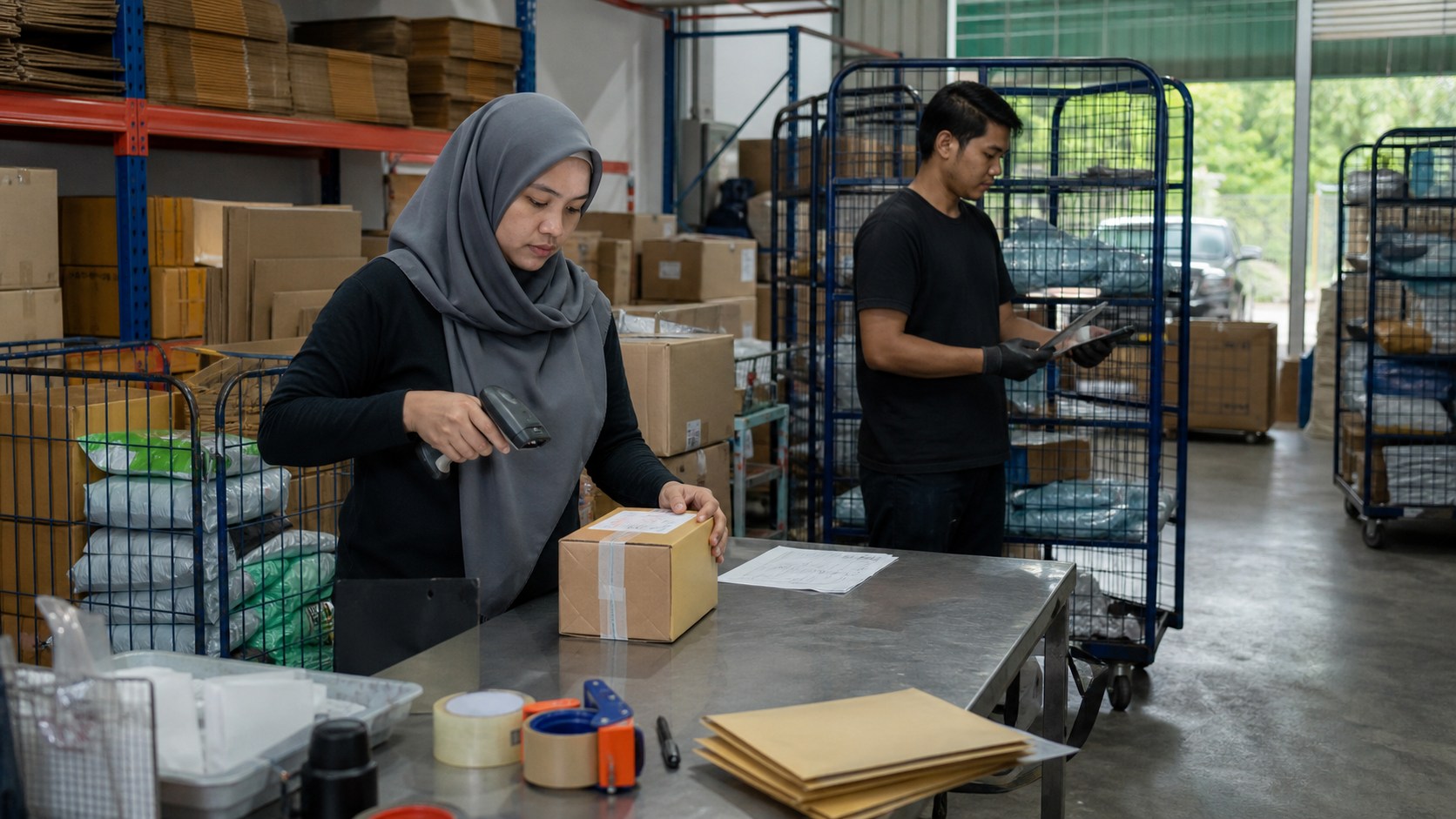
If your online business is already competing with ultra-cheap imported goods, the real risk is not only lower prices. It is getting caught unprepared if Malaysia starts tightening the rules around who can sell, how they operate, and what value they must create locally.
BusinessToday reported on August 20, 2026 that Malaysia will review new investment applicants more closely after concerns that some companies use local warehouses and transit facilities without creating meaningful jobs or wider economic benefits. The report also said Prime Minister Datuk Seri Anwar Ibrahim raised concerns about cheap imported products entering Malaysia through cross-border e-commerce platforms, warning that some operators may be using very low prices to gain market share.
That matters because the story is no longer just about digital growth. It is about whether Malaysia’s next e-commerce rules will change the cost, compliance, and fulfilment pressure on local sellers before the year ends.
What Happened At The TikTok Shop Summit
According to BusinessToday, the government’s concern is not simply that foreign goods are entering Malaysia. It is that some businesses appear to be using warehouse space and local registration structures without generating enough employment or domestic value.
Related local coverage on August 20, 2026 added two important details. The Star reported that the government was reviewing e-commerce laws and that new legislation could be ready as early as October 2026. Malay Mail separately reported that Anwar agreed in principle with stricter regulation to curb the uncontrolled influx of foreign goods sold through online channels.
Taken together, the message is clear even before a final law is published: the operating environment for digital sellers, import-driven online merchants, and fulfilment-linked SMEs may become more closely watched over the next few months.
Why This Matters For Malaysian Sellers
The search intent behind this story is straightforward: what should a Malaysian SME do if e-commerce rules tighten around foreign goods, warehousing, and market access?
The first implication is pricing pressure may change shape. If enforcement gets stricter on certain foreign-goods channels, some local sellers could see fairer competition. But others that depend heavily on imported stock may face more documentation, supplier checks, or lead-time uncertainty.
The second implication is fulfilment models may matter more than before. A business that relies on fast-moving imported inventory, third-party warehousing, or thin-margin marketplace selling may need to check whether its current operating structure still works if scrutiny increases.
The third implication is compliance timing can become a cash-flow issue. When rules change, businesses often need to adjust stock buffers, packaging, labelling, supplier records, warehouse handling, delivery scheduling, or working capital before the revenue benefit is clear.
What SMEs Should Check Now
Before any October 2026 target turns into a final rule set, business owners can already review:
- how much of current online revenue depends on imported goods rather than local or mixed supply
- whether supplier documents, product records, and marketplace information are organised well enough for tighter checks
- whether warehousing, storage, packing, or last-mile delivery would need adjustment if stockholding patterns change
- whether pricing still works if you need to hold more inventory locally or move away from the cheapest supply route
If those questions expose operational strain, it helps to compare this signal with our earlier notes on Malaysia’s e-commerce income growth and ASEAN Online Sale Day readiness. For businesses that may need to change storage flow, dispatch speed, or delivery capacity, it may also be useful to review warehouse equipment financing, commercial vehicle financing, or loan financing against actual order and payment timing.
What To Watch Next
The practical date to watch is not just Friday, August 21, 2026. It is whether the government moves from speeches and principle-level warnings into a more detailed e-commerce bill or enforcement framework before October 2026.
Business owners should pay attention to whether upcoming announcements focus on:
- foreign platform obligations
- local seller protections
- warehousing or transit models
- product standards and disclosure
- cross-border marketplace enforcement
The earlier you know which part of your model is exposed, the easier it is to adapt without making rushed inventory or financing decisions.
Where Ing Heng Fits
Ing Heng fits this story when online sales growth or regulatory change starts creating practical operating needs.
If tighter e-commerce rules push you to hold stock differently, upgrade storage equipment, add delivery capacity, or smooth out working-capital pressure while your online model adjusts, the useful move is to match financing timing to real operational change instead of waiting until the squeeze becomes urgent.
News Source
- BusinessToday. “Anwar: Malaysia To Recheck New Investors For Jobs And Economic Value.” Published August 20, 2026. Source URL: https://www.businesstoday.com.my/2026/08/20/anwar-malaysia-to-recheck-new-investors-for-jobs-and-economic-value/
- The Star. “Anwar wants e-commerce regulations expedited to help young entrepreneurs.” Published August 20, 2026. Source URL: https://www.thestar.com.my/news/nation/2026/08/20/anwar-wants-e-commerce-regulations-expedited-to-help-young-entrepreneurs
- Malay Mail. “No more free rides: Malaysia starts stricter vetting of foreign investors to protect local jobs.” Published August 20, 2026. Source URL: https://www.malaymail.com/news/malaysia/2026/08/20/no-more-free-rides-malaysia-starts-stricter-vetting-of-foreign-investors-to-protect-local-jobs/232076
Questions Business Owners Ask
What change is Malaysia considering for e-commerce in 2026?
BusinessToday and related local reporting on August 20, 2026 said the government is reviewing e-commerce laws and new investor applications more closely, with Prime Minister Anwar Ibrahim saying tighter regulation could be accelerated for the sector.
Why are foreign goods sold online part of the discussion?
The reported concern is that some operations use local warehousing or registration structures without creating enough jobs or broader economic value in Malaysia, while cheap imported goods can intensify pressure on local SMEs.
Does this mean online sellers face immediate new rules today?
No confirmed new operating rule was reported as taking effect on August 21, 2026. The clearer signal is that scrutiny is increasing and possible rule changes could move quickly if the government finalises them in the coming months.
Why should SMEs prepare before any law is finalised?
Because compliance, pricing, supplier mix, stockholding, and fulfilment changes are harder to fix at the last minute. Smaller businesses usually benefit from checking exposure early instead of waiting for a final announcement.
Related News

Malaysia Economy News
Malaysia's Fuel Subsidy Exposure Is Still A Cost-Planning Signal For SMEs

Malaysia Economy News
Sunway's RM1.044 Billion US Tech Fit-Out Job Could Tighten Contractor Capacity
Malaysia Economy News
