CPO Support Is Not A Supply Guarantee: What Malaysian Palm-Oil Operators Should Check
BusinessToday reports that CPO prices may remain supported as demand and weather risks offset inventory pressure. Malaysian palm-oil operators should still test their own stock, delivery and cash commitments.
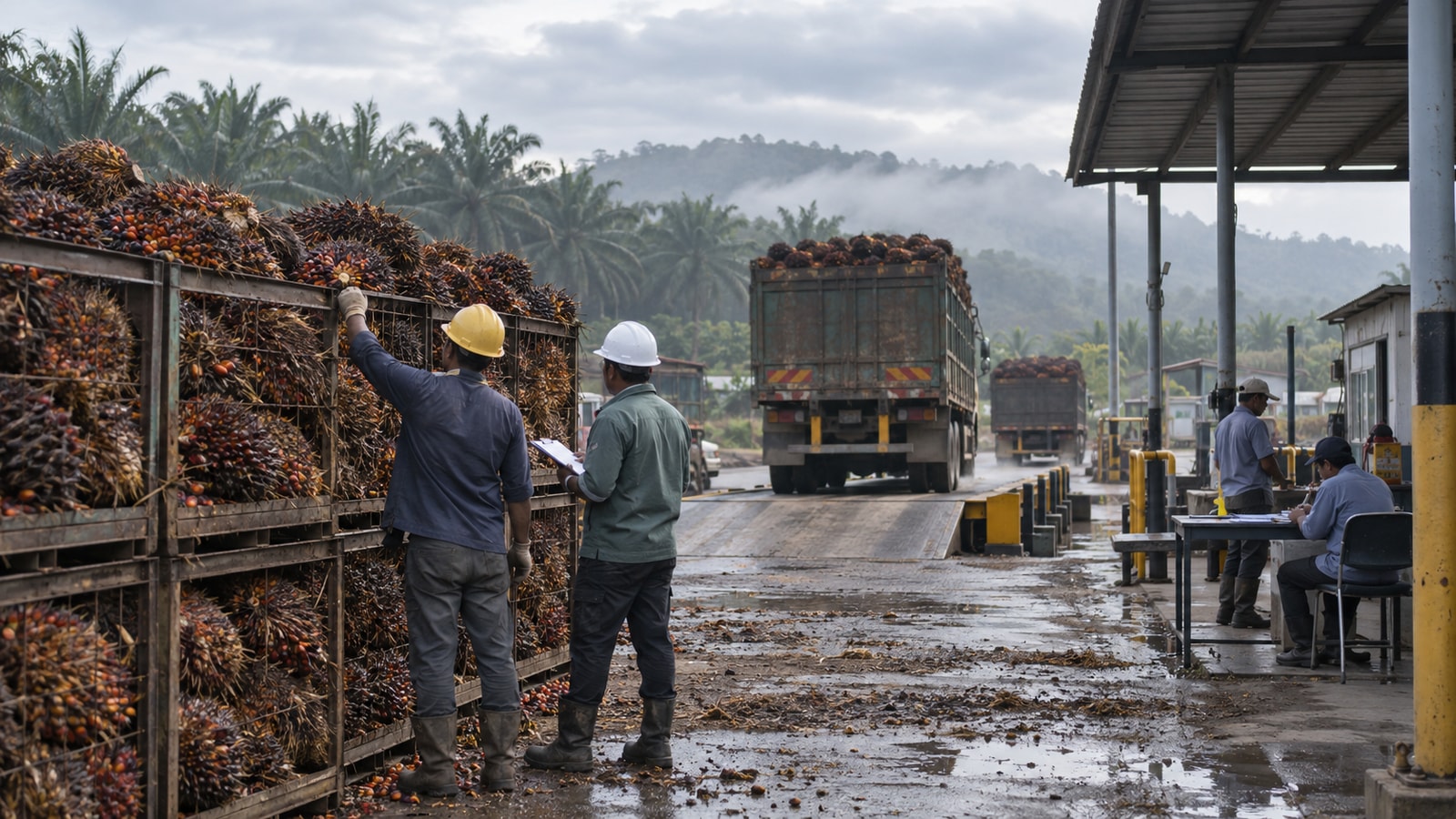
When the market looks supportive, it is tempting to treat the next delivery, purchase or equipment decision as settled. For palm-oil operators, the harder question is whether the work, stock position and collection timing are solid enough to carry that decision if conditions move the other way.
On 4 October 2026, BusinessToday reported OCBC’s view that crude palm oil (CPO) prices could remain supported in the near term. The report pointed to firm crude-oil prices, improving demand from India and El Nino-related supply risks, while also noting the pressure from high Malaysian inventories and sluggish exports.
That is a market view, not a guarantee of volume, margin, buyer demand or payment for any one Malaysian business. It is still a useful prompt to put the operating checks beside the market headline.
Supportive prices can hide different operating pressures
A processor, estate contractor, transport operator or input supplier can face a different reality from the wider CPO market. One business may have stock ready to move; another may be waiting for a buyer’s schedule, a loading slot, vehicle availability or payment from an earlier delivery.
The source describes factors pulling in different directions. That makes it risky to base a new commitment on one signal alone. A firm price outlook does not settle how quickly your stock will turn, whether exports will improve, or whether a weather risk will affect your own planned work.
Put the delivery plan beside the market view
Before adding capacity or accepting a larger operating commitment, check the details that are specific to your business:
- Confirmed work: Is there a signed contract, delivery instruction or repeat buyer requirement—not only an expectation that demand will improve?
- Stock and movement: What is physically available, what still needs processing, and how quickly can it be collected or shipped?
- Operating capacity: Can existing vehicles, handling equipment and staff meet the planned schedule without creating avoidable downtime?
- Cash timing: When do fuel, maintenance, labour and supplier costs fall due, and when is payment realistically expected?
These are planning checks from Ing Heng, not conclusions reported by BusinessToday or OCBC. They help distinguish a market signal from a commitment the business can actually carry.
Watch the balance, not only the upside
The report’s mix of demand, inventory and weather factors is a reminder to keep watching both sides of the plan. Higher inventories can affect storage and dispatch decisions. Slower exports can change how long stock sits before it converts to cash. Weather risk may matter later and differently across locations, so it should not be treated as an immediate assurance of supply or price.
For palm-oil-linked exporters, documentation and shipment readiness can also affect cash timing. Check the paperwork and physical flow around a shipment alongside the market outlook.
Keep asset commitments tied to proven work
If a lorry, handling asset or processing upgrade is meant for confirmed work, keep the quotation, operating plan and expected collection date together. If those inputs are still uncertain, it may be safer to test the capacity need first instead of assuming supportive CPO conditions will fill it.
Where Ing Heng fits
If you have confirmed palm-oil-related work and are considering an equipment or vehicle commitment, you can explore equipment financing with Ing Heng. Bring the contract or delivery evidence, expected asset use and realistic collection timing so the discussion starts with the work the asset must support.
Source: BusinessToday, “CPO Prices Expected To Remain At Current Levels As El Nino Risks Build”, published 4 October 2026. The operational checks above are Ing Heng’s interpretation, not a CPO price forecast, supply guarantee or financing promise. The image is a generated illustration of generic palm-oil collection activity.
Questions Business Owners Ask
What did the BusinessToday report say about CPO prices?
BusinessToday reported OCBC's view that crude palm oil prices could remain supported in the near term as firm crude oil prices, improving Indian demand and El Nino-related supply risks offset pressure from high Malaysian inventories and sluggish exports.
Does supported CPO pricing guarantee that a palm-oil business should expand capacity?
No. A market outlook does not prove a particular mill, haulier, dealer or supplier will have enough confirmed volume, margin or cash collection to support a new commitment.
Which operating checks matter before committing to more equipment or transport?
Check confirmed deliveries or contracts, available stock, expected loading and collection timing, repair and labour needs, and whether the commitment still works if market conditions change.
Related News

Malaysia Economy News
Malaysia manufacturing technology: what outcomes should you check before investing?
Malaysia Economy News
Samalaju water project: what contractors should confirm before mobilising equipment
Malaysia Economy News
