Malaysia's Data Centre Plans: Check Equipment Efficiency Claims
Malaysia's data-centre resource-planning discussion gives equipment buyers a practical question: what evidence supports a supplier's efficiency claim?
A quotation that calls a machine efficient still leaves you with a buying decision. You need to know what the claim measures, which conditions produced the result and whether the same conditions apply to your business.
BERNAMA reported on 19 October that Prime Minister Anwar Ibrahim called for planned data-centre growth with closer attention to infrastructure, energy supply and efficient resource use, including water.
For equipment buyers, the useful next step is to ask for evidence behind a supplier’s performance claim. The purchasing checks below are Ing Heng’s interpretation. They are not technical requirements issued for a particular data centre, a new equipment standard or a forecast of savings for your business.
Ask what the efficiency claim measures
Ask the supplier to identify the measure and the useful work delivered. Energy consumed while completing an agreed task is a different comparison from a percentage printed beside an individual component. If water use is relevant to the equipment, ask what activity and period the estimate covers.
Keep the measurement method and operating conditions with the quotation. Let the responsible qualified technical person assess whether the evidence applies to your intended duty. A headline percentage cannot answer that question on its own.
Compare equipment under the same assumptions
Ask each supplier to state the workload, running hours, operating conditions and configuration used in its estimate. Record which assumptions your business can support and which still need confirmation. Do not compare two claimed savings as if their underlying tasks were identical.
Keep the equipment price separate from installation, required supporting work, maintenance and any service included in the offer. Where an item is outside the supplier’s scope, obtain the relevant quotation before comparing total purchase commitments.
Check condition as well as model
A model name does not describe the condition of an individual used or reconditioned unit. Ask for the offered asset’s identity, service history, relevant inspection or test records and the work actually completed by the seller. An advertisement for a model is not a condition report for the unit you would receive.
Have the responsible specialist review the evidence and identify any further checks needed. Ask the seller to state warranty coverage, exclusions, available servicing and replacement-part arrangements in writing. Do not assume an efficiency figure for a new configuration describes an older unit in a different condition.
Agree what evidence you receive at handover
Before paying or committing to an order, agree the documents, checks and acceptance criteria for your own purchase. Identify who will verify performance, which conditions must be recorded and what happens if the agreed result is not demonstrated. Those terms need to be settled with the seller and responsible specialists.
Keep the quotation, model or asset identity, supporting evidence and agreed acceptance terms together. This gives you a basis for resolving a difference between the offer and the delivered equipment; it does not guarantee a particular technical or financial outcome.
Keep estimated savings separate from purchase funding
A forecast reduction in operating costs is not cash already in your account. Consider the equipment payment, delivery and installation commitments alongside the money your business actually has available. Leave uncertain operating assumptions visible when assessing affordability.
If the proposed purchase is defined, you can discuss equipment financing with Ing Heng. Bring the supplier quotation, equipment details and intended purchase timing. Suitability and any financing terms require a separate assessment; a national industry announcement does not establish individual approval.
Source: BERNAMA, 19 October 2026, 13:59 Malaysia. The equipment-purchasing checks are Ing Heng’s interpretation.
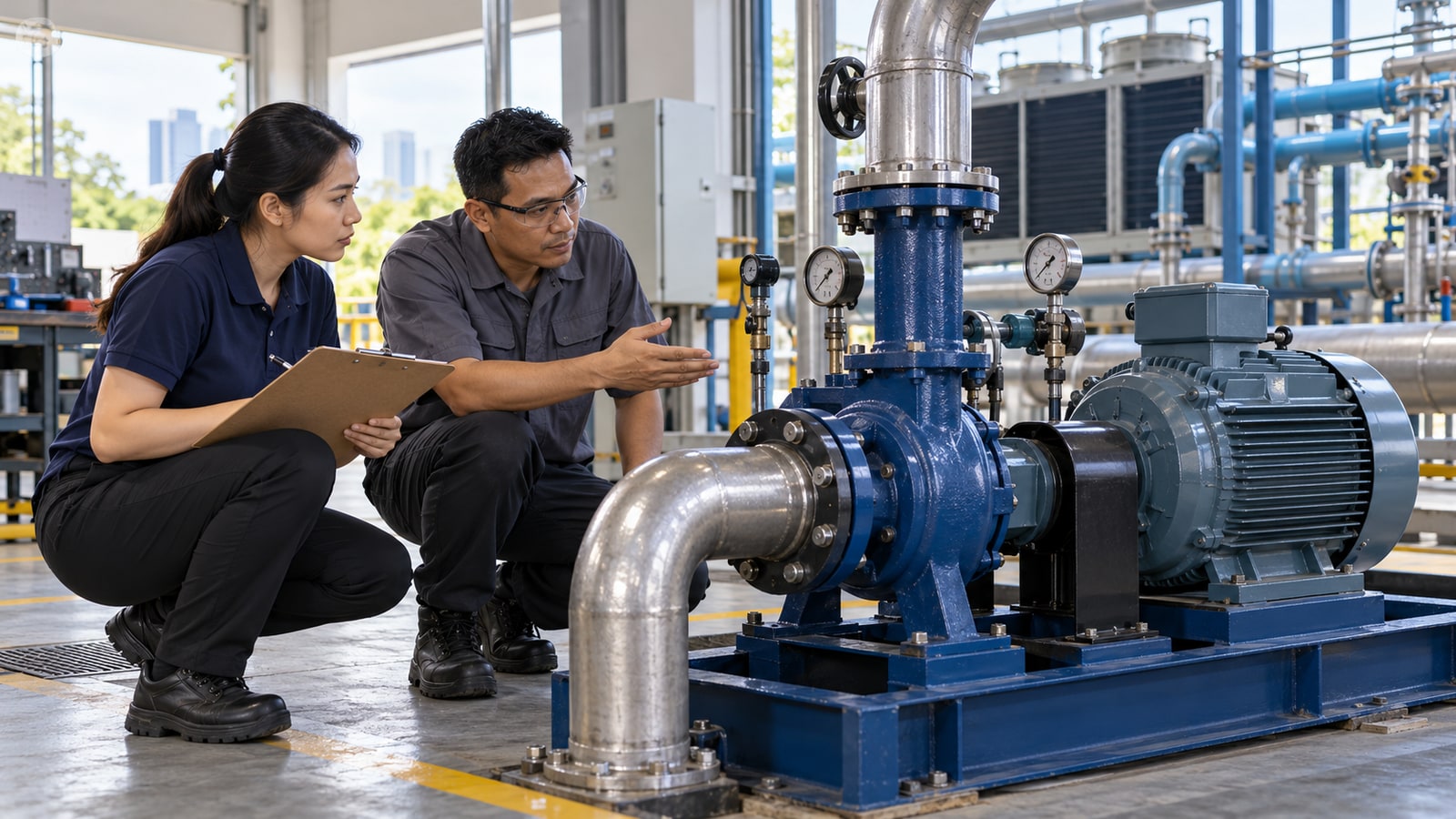
Image: Original AI-generated editorial illustration. It depicts a generic demonstration setting, not the reported meeting, an identified data centre or an engineering specification.
A financing option related to this article
Compare the relevant financing route and documents before committing to a purchase.
Machinery financingQuestions Business Owners Ask
Does the data-centre report specify an efficiency standard for my equipment?
No machine-specific standard or savings guarantee is set out in this report. Confirm the requirements for your own project with the responsible technical team, rather than treating a national planning statement as an equipment specification.
What should a supplier's equipment-efficiency claim explain?
Ask what is measured, the useful output delivered, the operating conditions, the equipment condition and the basis of comparison. Request evidence for the quoted model or configuration and ask a qualified person to assess whether it applies to your intended use.
Can a claimed saving be treated as money already available for repayments?
No. A supplier estimate depends on its assumptions and your actual operation. Keep estimated operating savings separate from confirmed cash available, and assess a financing proposal against the purchase scope and your business circumstances.