Malaysia's F&B Automation Push Is Getting More Export-Focused. What Operators Should Check Before Scaling
The Malaysian Reserve reported on August 6, 2026 that automation and export-readiness are reshaping Malaysia's food and beverage sector. For Malaysian operators, the practical question is whether packaging, throughput, cold-chain, and compliance capacity are ready before demand or buyer expectations move faster.
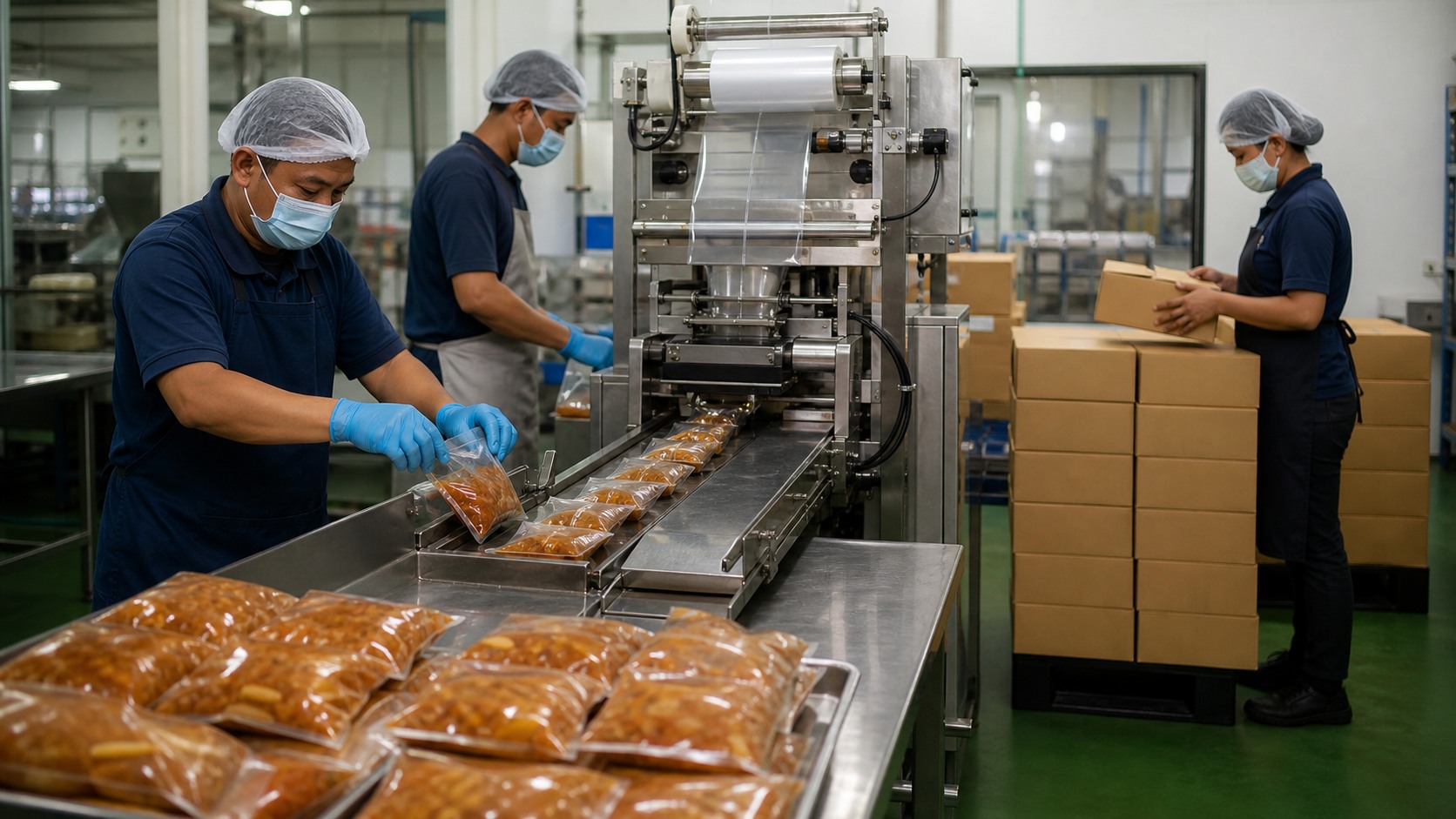
If your food business is getting more enquiries, more distributor attention, or more pressure to deliver consistently, the real risk may not be weak demand. It may be that your operations are still set up for a smaller business model than the market now expects.
The Malaysian Reserve reported on August 6, 2026 that automation and export-readiness are reshaping Malaysia’s food and beverage sector. The report pointed to MIFB 2026 as a sign that the next phase of industry growth is being driven less by simple product visibility and more by technology, operational discipline, and cross-border commercial readiness.
For Malaysian operators, this is not just an event story. It is a capacity story for manufacturers, central kitchens, café chains, chilled-food suppliers, packagers, and distributors that need to decide whether their current setup can support bigger buyers without disrupting margin or cash flow.
What Happened In The F&B Market
According to The Malaysian Reserve, the sector’s next growth phase is being shaped by automation and export ambition rather than by footfall alone.
Official MIFB 2026 materials support that direction. MIFB said its Knowledge Hub focused on AI and automation, operational efficiency, business scaling, data-driven decision-making, and export readiness, while the event’s commercial design connected startups, scaling exporters, manufacturers, distributors, and international buyers. MIFB also described its Buyer Programme as a route to cross-border sourcing opportunities and said the platform linked Malaysia Café Expo and MyFoodTech into a wider F&B ecosystem.
That matters because it suggests the market is rewarding more than taste or branding. Buyers increasingly want suppliers that can deliver repeatable output, cleaner operations, better documentation, and fewer fulfilment surprises.
Why This Matters For Malaysian Operators
The search intent behind this story is straightforward: what should an F&B business in Malaysia check before chasing export growth or automation-led expansion?
The first issue is throughput reliability. A business may win new interest from retailers, distributors, hospitality buyers, or export channels, but still struggle if filling, sealing, chilling, labelling, or dispatch remains too manual.
The second issue is quality and compliance discipline. The larger the buyer, the less tolerance there usually is for inconsistent packing, delayed restocking, temperature failures, or unclear process control. That does not mean every operator needs a full factory rebuild. It does mean more businesses will need to think about equipment, workflow, and documentation earlier.
The third issue is cash timing. Growth in F&B can look healthy on paper while working capital gets squeezed in reality. More orders often mean more ingredients, more packaging, more labour scheduling, and more logistics coordination before the cash from those sales is fully collected.
What To Check Before You Scale
Before treating automation or export-readiness as a reason to buy equipment immediately, check the operational bottlenecks that actually control growth:
- whether packaging speed is holding back output
- whether cold-room, freezer, or refrigerated delivery capacity matches sales ambition
- whether manual prep or labelling is creating avoidable labour pressure
- whether customer payment timing can support a larger stock or production cycle
If your business is already facing those questions, it helps to compare machinery financing, equipment financing, and loan financing against the asset or process step that is causing the delay.
For businesses handling temperature-sensitive stock or wider delivery zones, the next useful comparison may be between a process upgrade and a transport upgrade such as a refrigerated truck. The right answer depends less on trend language and more on where your actual bottleneck sits.
What To Watch Next
The next signal is whether more Malaysian F&B businesses start moving from event-stage ambition into practical operating upgrades.
If automation and export-readiness become more common buyer expectations, smaller operators may need to tighten production flow, improve packaging consistency, and plan logistics more carefully just to stay competitive. If that shift happens gradually, businesses have time to stage upgrades. If larger buyers move faster, operators who wait too long may find that demand arrives before capacity is ready.
That is the practical value of this story. It does not say every food business must automate now. It says the market is becoming less forgiving of slow, inconsistent, or under-documented operations.
Where Ing Heng Fits
Ing Heng fits this story where growth starts turning into equipment and timing decisions.
If your business needs food-processing machinery, packaging equipment, cold-chain assets, or delivery support to meet larger orders, the useful move is to test repayments against real production flow, stock cycles, and collections. Automation and export-readiness can improve a business, but only if the financing timing matches the business you actually have.
News Source
- The Malaysian Reserve. “Automation and exports reshape Malaysia’s F&B sector.” Published August 6, 2026. Source URL: https://themalaysianreserve.com/2026/08/06/automation-and-exports-reshape-malaysias-fb-sector/
- MIFB. “Malaysia’s Food & Beverage Industry Looks Ahead as MIFB 2026 Convenes B2B Leaders to Shape the Future of F&B.” Published July 10, 2026. Source URL: https://mifb.com.my/malaysias-food-and-beverage-industry-looks-ahead-as-mifb-2026-convenes-b2b-leaders-to-shape-the-future-of-fnb/
- MIFB. “MIFB 2026 Strengthens Malaysia’s F&B Trade Ambition Through A Unified ‘Made in Malaysia’ Ecosystem.” Published January 29, 2026. Source URL: https://mifb.com.my/mifb-2026-strengthens-malaysias-fb-trade-ambition-through-a-unified-made-in-malaysia-ecosystem/
Questions Business Owners Ask
What happened in Malaysia's food and beverage sector?
The Malaysian Reserve reported on August 6, 2026 that automation and export-readiness are becoming more central to how Malaysia's food and beverage sector is planning its next phase of growth.
Why does automation matter for F&B operators now?
Automation can help operators improve throughput, consistency, traceability, and labour efficiency at a time when buyers are looking for reliability, speed, and scale.
What export-related pressure should smaller food businesses watch?
They should watch whether packaging, cold-chain handling, documentation, halal or quality processes, and delivery timing are strong enough to support larger or cross-border orders.
Does this mean every F&B business should expand immediately?
No. It means operators should first test whether demand, margins, collections, and equipment urgency are strong enough to support expansion without creating new cash-flow strain.
Related News
Malaysia Economy News
Malaysia's Fuel Subsidy Exposure Is Still A Cost-Planning Signal For SMEs
Malaysia Economy News
Sunway's RM1.044 Billion US Tech Fit-Out Job Could Tighten Contractor Capacity
Malaysia Economy News
