Malaysia's LSS6 Solar Push Could Pull Contractor And Supplier Timelines Forward
BusinessToday reported on July 16, 2026 that Malaysia will launch LSS6 with 2,500MW of solar capacity and 1,250MW of battery storage. For contractors, suppliers, and SMEs, the practical question is whether bid windows and grid-linked project demand are about to speed up procurement and capacity planning.
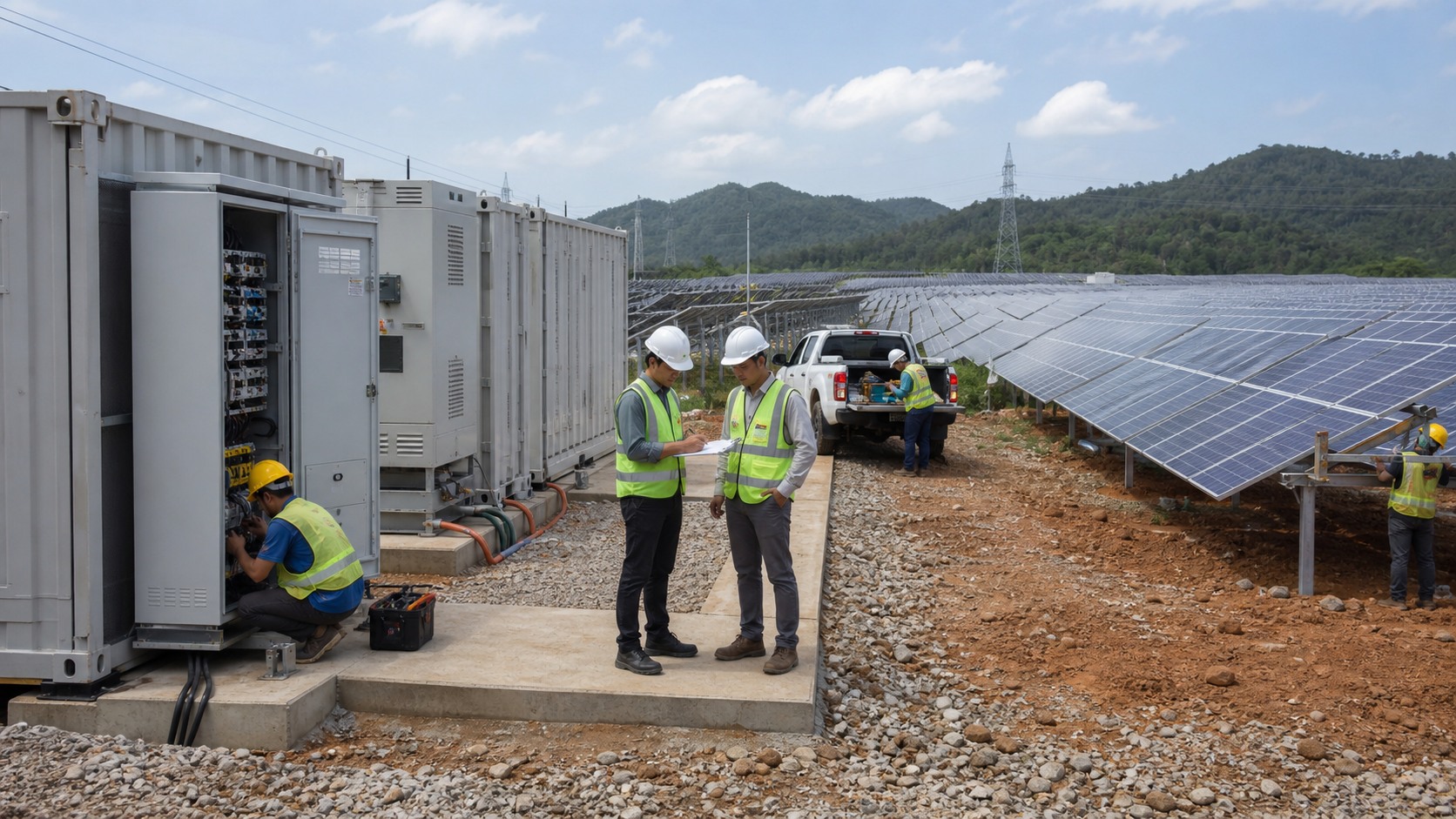
If your business supports project work, electrical installations, equipment supply, transport, or site services, this is the kind of policy headline that can start affecting timelines before it shows up as booked revenue.
BusinessToday reported on July 16, 2026 that Malaysia will launch LSS6, the sixth round of the Large Scale Solar programme, with 2,500MW of solar capacity and 1,250MW of battery energy storage system capacity. The source said the first bid window for the main packages will run from July 27, 2026 to August 7, 2026.
For Malaysian contractors, suppliers, and SMEs, the useful question is not only whether the national energy transition is getting bigger. It is whether bidding, procurement, and subcontractor preparation around solar and storage work are about to move faster than ordinary cash-flow planning.
What Happened
According to BusinessToday, PETRA will structure LSS6 across three packages. The source said these include an open tender for 2,200MW of solar capacity paired with 1,100MW of BESS, a Bumiputera open tender for 300MW of solar with 150MW of BESS, and a separate 150MW solar-only package for Bumiputera companies.
BusinessToday also reported that bidder sizes will range from 60MW to 500MW for the first two packages and 10MW to 30MW for the Bumiputera solar-only package. The source said solar-project experience will be required, while direct BESS experience will not be mandatory.
The article added that projects using domestically manufactured renewable-energy products, such as solar photovoltaic modules, will receive priority. It also said PETRA expects LSS6 to attract RM13 billion to RM15 billion in private investment and create 15,000 to 20,000 jobs during development and construction.
Why The Story Matters For Malaysian Businesses
The biggest takeaway is timing. Once a programme like this moves from policy discussion into a defined bid calendar, businesses around the project chain often start preparing before contract revenue is certain.
That can affect:
- engineering and installation contractors
- transport and logistics providers moving equipment or materials
- electrical and civil-work subcontractors
- suppliers handling panels, storage systems, switchgear, cables, or related site support
BusinessToday said strategic areas with rising electricity demand, particularly in the southern region of Peninsular Malaysia, will be prioritised. That matters because local capacity pressure can build unevenly. One corridor may start feeling supplier lead times, labour competition, or transport bottlenecks earlier than the rest of the market.
What Owners Should Watch Next
The practical issue now is not whether every SME should chase a solar project. It is whether your customers or upstream partners are about to shorten their preparation cycle.
Check:
- whether enquiries are shifting from general market talk to actual bid-stage planning
- whether customers are asking for faster quotations, delivery dates, or technical support
- whether supplier deposits or stock commitments may arrive before project payments do
- whether one added vehicle, machine, or working-capital buffer would remove a real operating bottleneck
If your business already serves industrial, construction, utility, or logistics clients, LSS6 may become a demand-timing story before it becomes an earnings story.
If you are comparing this signal with other industrial-capacity themes, it may help to watch how it sits alongside Malaysia’s broader construction award pipeline and Johor’s data-centre-linked contractor demand.
Where Ing Heng Fits
Ing Heng fits at the planning edge of this story. If solar or storage-related work is forcing earlier decisions on vehicles, machinery, equipment, or short-term operating support, it helps to review financing before procurement pressure becomes urgent.
That does not mean every energy-transition headline should trigger a purchase. It means businesses exposed to the project chain should check whether faster bid and delivery cycles are forming around them, and whether they can respond without straining ordinary cash flow.
News Source
- BusinessToday. “Govt Set To Launch LSS6 With Up To 500MW Packages.” Published July 16, 2026. Source URL: https://www.businesstoday.com.my/2026/07/16/govt-set-to-launch-lss6-with-up-to-500mw-packages/
Questions Business Owners Ask
What is LSS6 in Malaysia?
BusinessToday reported that LSS6 is Malaysia's sixth Large Scale Solar programme, offering 2,500MW of solar capacity and 1,250MW of battery energy storage capacity.
When will the first LSS6 bid window open?
BusinessToday said the Request for Proposal process for the first two packages will run from July 27, 2026 to August 7, 2026.
Why does LSS6 matter to smaller businesses?
Large solar and storage programmes can pull forward demand for contractors, transport, electrical work, civil works, equipment supply, and project support before revenue fully catches up.
Which parts of Malaysia may feel the impact first?
BusinessToday said projects in strategic areas with rising electricity demand, especially in the southern region of Peninsular Malaysia, will be prioritised.
Related News

Malaysia Economy News
Malaysia's Petroleum Reserve Study Could Change How Fuel-Exposed SMEs Plan Risk

Malaysia Economy News
Jabil's New Penang Logistics Hub Could Tighten Automation Pressure For Suppliers. What SMEs Should Watch Now

Malaysia Economy News