Malaysia's Petroleum Reserve Study Could Change How Fuel-Exposed SMEs Plan Risk
BernamaBiz reported on July 17, 2026 that Malaysia is studying a national petroleum reserve strategy as geoeconomic risks rise. For transport operators, importers, contractors, and other fuel-exposed SMEs, the practical question is whether supply-security planning is becoming part of ordinary cost and continuity decisions.
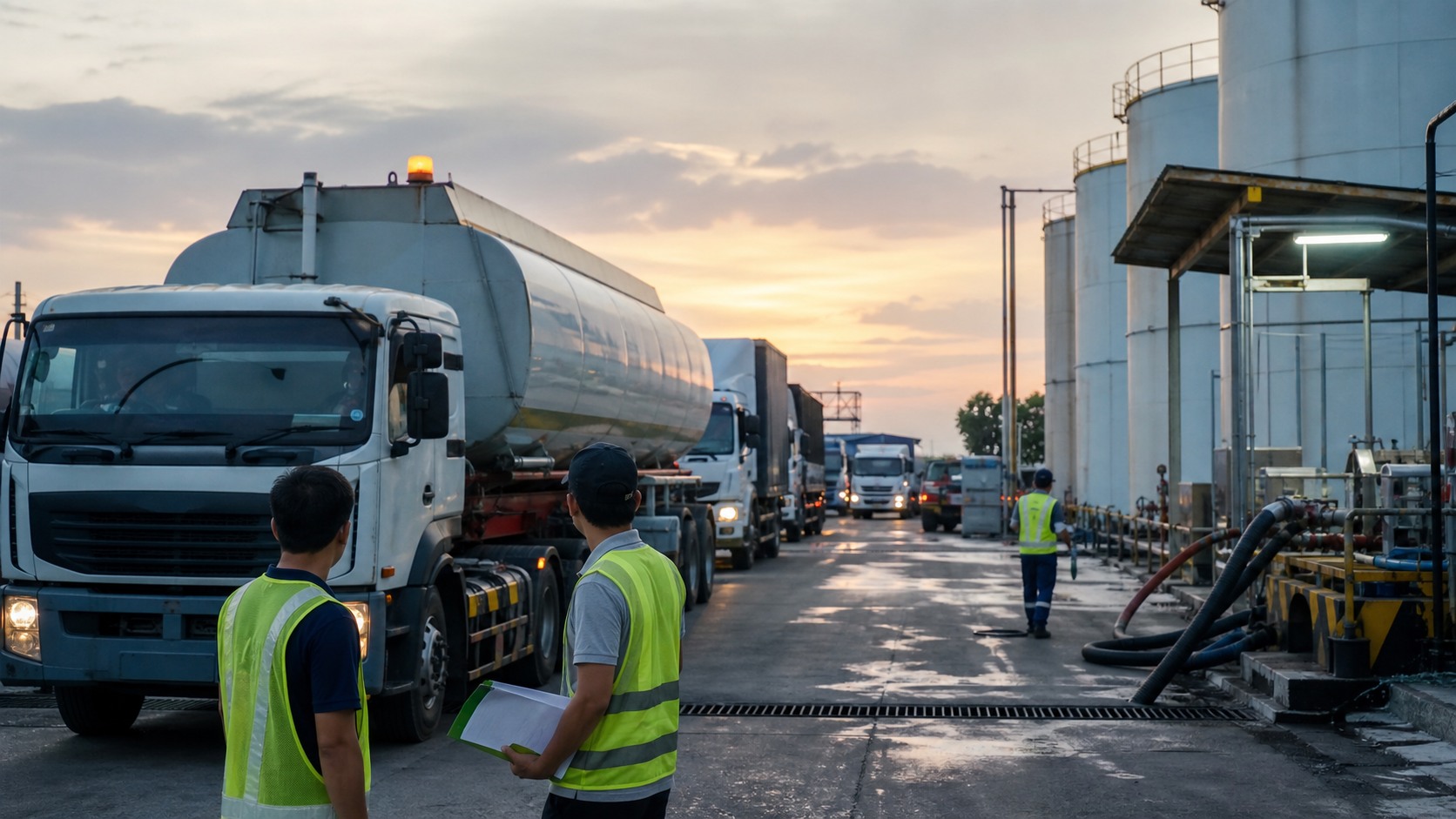
If your business depends on lorries, site vehicles, imported materials, or fuel-intensive operations, this is the kind of policy story that matters before it changes your invoice line items.
BernamaBiz reported on July 17, 2026 that Malaysia is studying whether it should establish a national petroleum reserve stock as part of a broader push to strengthen energy security against geopolitical disruption and supply shocks. For SMEs, the immediate issue is not whether the reserve exists yet. It is whether fuel reliability is becoming a more serious planning risk for transport, contracting, and supply-chain businesses.
What Happened
According to BernamaBiz, Prime Minister Datuk Seri Anwar Ibrahim said the government will study the need and strategy for a national petroleum reserve. The source said experts see the move as a response to a more fragmented global environment, where conflict, trade controls, and strategic supply bottlenecks can affect how countries protect essential resources.
BernamaBiz reported that economist Mohd Sedek Jantan argued Malaysia should not simply copy the largest reserve models used by bigger economies. Instead, he said the reserve study should focus on the right scale, financing approach, and operating framework for Malaysia’s own fiscal capacity and energy-risk profile.
The same report also said other experts view the proposal as part of a wider economic-security shift, not only a fuel issue. In that framing, the main concern is whether Malaysia can stay operational during a prolonged external disruption without relying too heavily on fragile supply routes or a single crisis-response tool.
Why This Matters For Malaysian Businesses
For business owners, the signal is bigger than petroleum storage alone. When policymakers start discussing strategic reserves, it usually means supply continuity is no longer being treated as a background assumption.
That matters most to:
- transport and haulage operators exposed to diesel availability and timing
- contractors whose work depends on site mobility, machinery uptime, or material deliveries
- importers and distributors managing landed cost risk
- manufacturers and service businesses that cannot easily absorb a sudden fuel-driven disruption
Even if no final reserve model has been announced, the policy discussion tells you what officials and economists are worried about: the cost of being unprepared when global energy or trade routes tighten.
What Owners Should Watch Next
The practical question is not whether every SME needs a new fuel strategy tomorrow. It is whether your business has any obvious weak point if fuel logistics become slower, more expensive, or less predictable for a period of time.
Check:
- whether your pricing assumes stable fuel access with little delay risk
- whether one delivery interruption would delay collections, site work, or customer fulfilment
- whether your fleet, machinery, or backup operating plan is already tight
- whether a modest working-capital buffer or equipment decision would reduce your exposure during a supply squeeze
If you want a useful comparison point, this story fits alongside Malaysia’s diesel policy shift for operators and earlier signs of fuel-cost volatility affecting operating margins. The point is not to overreact to every headline. It is to know where your operating pressure would show up first.
Where Ing Heng Fits
Ing Heng fits after the risk becomes concrete. If your business sees exposure through vehicles, machinery, or short-term operating capacity, it helps to review financing options before a supply disruption forces a rushed decision.
This is not a reason to borrow because of one headline. It is a reminder that fuel-linked risk can affect delivery timing, project continuity, and cash flow at the same time. Businesses that identify the bottleneck early usually have more room to respond calmly.
News Source
- BernamaBiz. “Geoeconomic Fragmentation Prompts Malaysia To Rethink Energy Security — Experts.” Published July 17, 2026. Source URL: https://www.bernamabiz.com/news.php?id=2581924
Questions Business Owners Ask
Why is Malaysia studying a national petroleum reserve?
BernamaBiz reported on July 17, 2026 that rising geoeconomic fragmentation, conflict risk, and supply-chain disruption are pushing Malaysia to review how it protects fuel security.
Has Malaysia announced the final size or structure of a petroleum reserve?
No. The source said the government is studying the need and strategy, while experts argued the approach should be phased, flexible, and fiscally prudent.
Why does this matter to SMEs if no reserve is built yet?
A reserve study signals that fuel reliability and supply disruption are becoming business-planning issues, especially for transport operators, contractors, importers, and other fuel-dependent firms.
What should business owners watch next?
Watch for details on reserve size, financing model, implementation framework, and any wider policy discussion about how Malaysia manages fuel resilience during global disruptions.
Related News
Malaysia Economy News
Malaysia's LSS6 Solar Push Could Pull Contractor And Supplier Timelines Forward
Malaysia Economy News
Jabil's New Penang Logistics Hub Could Tighten Automation Pressure For Suppliers. What SMEs Should Watch Now

Malaysia Economy News