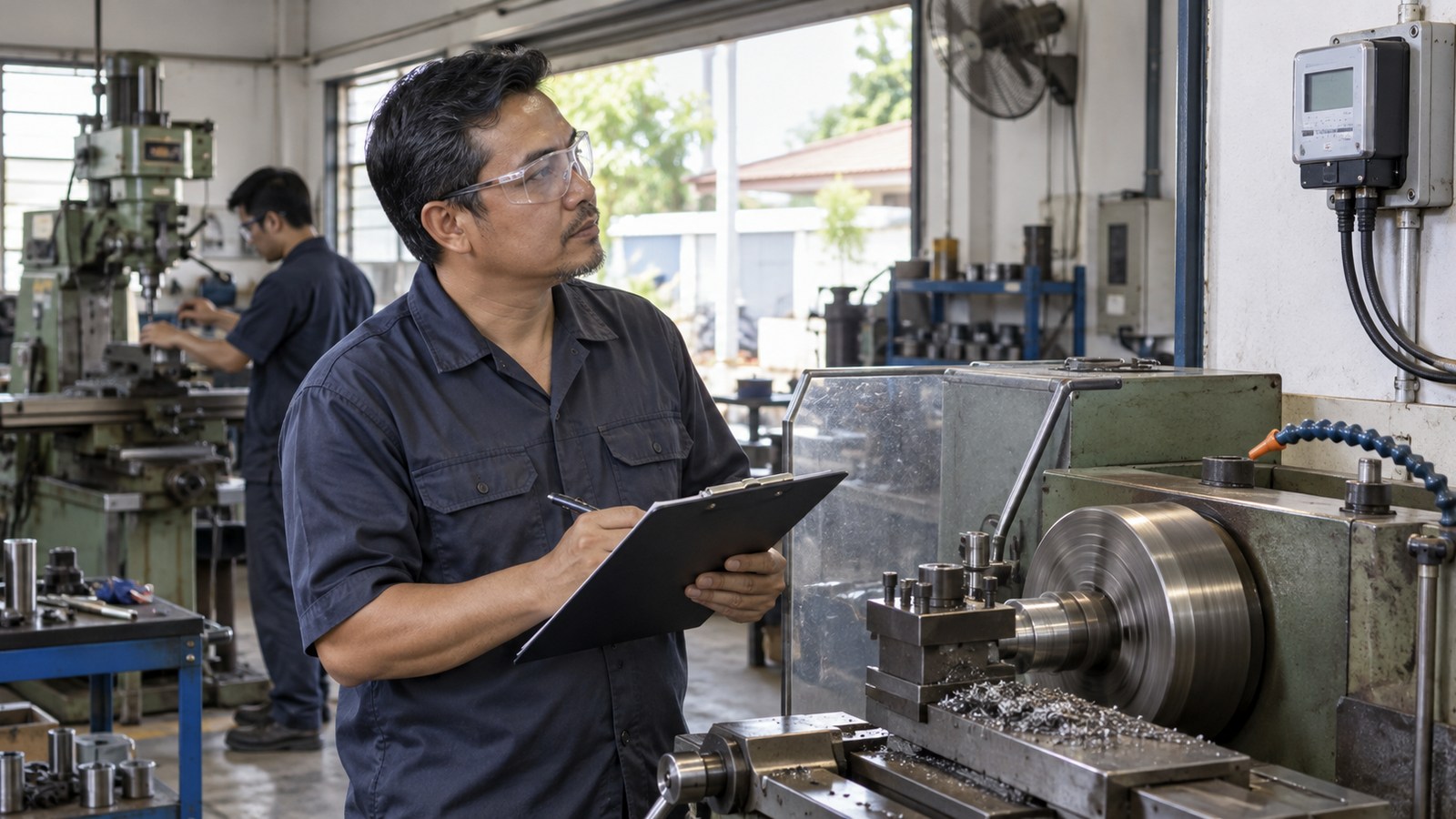
SemiconStart Launch: Prove the Prototype Before Buying Production Equipment
The July 1 SemiconStart launch highlights technical validation. Define test evidence, partner access and real production needs before committing cash to semiconductor equipment.
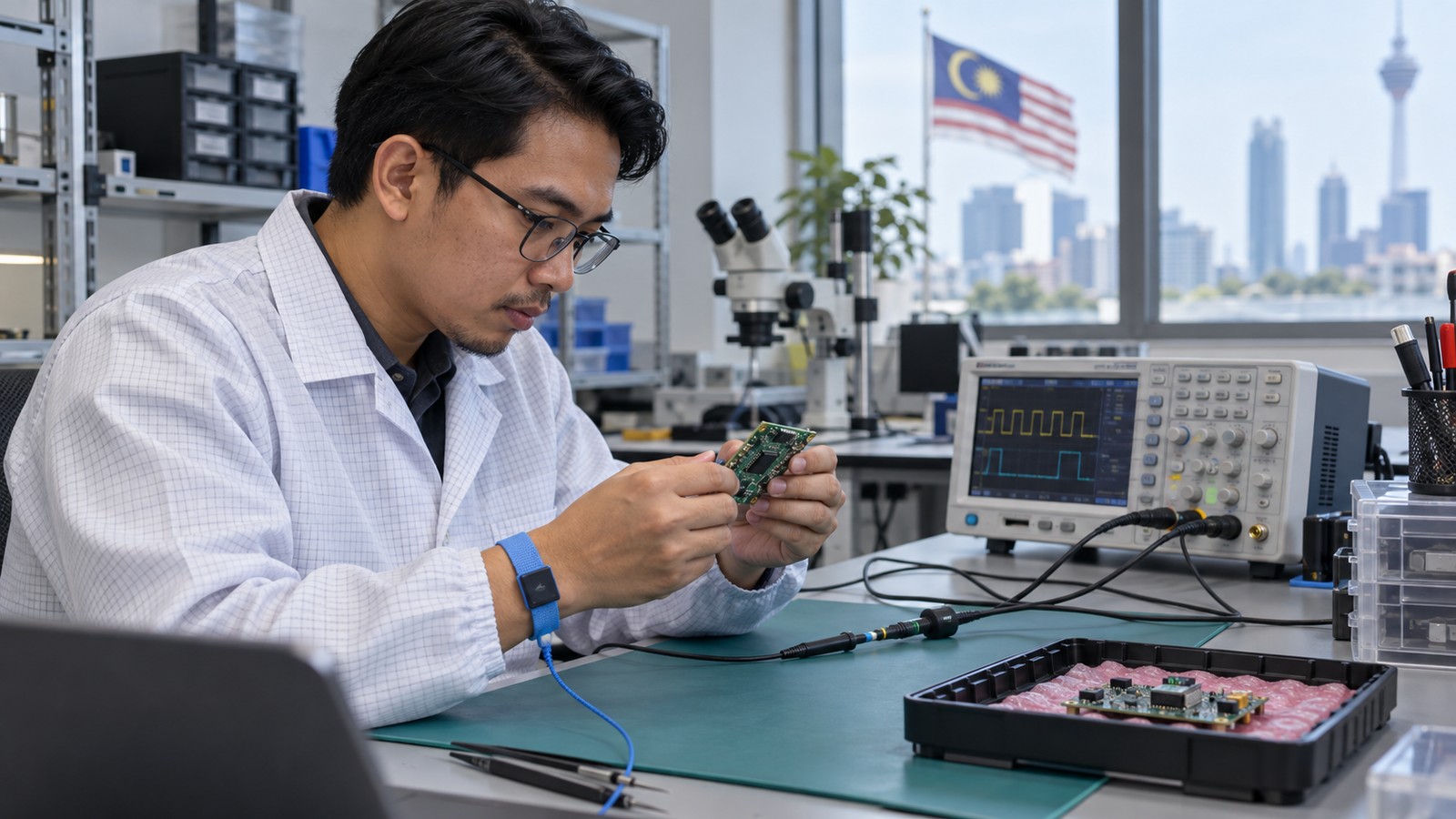
Original news slot: 4 July 2026. Source announcement: 1 July 2026. Added on 28 September 2026. The image is an illustration, not a photograph of the launch.
A promising semiconductor prototype is not yet a reason to order a production machine. For a Malaysian founder or small technical supplier, the next decision is what must be proved, which tests are needed and whether equipment ownership solves a real constraint.
MTDC announced the launch of SemiconStart Malaysia on 1 July 2026, working with Silicon Catalyst UK. Its issuer release described access to specialist expertise and prototyping partners. The Ministry of Finance’s dated launch speech also emphasised capabilities and collaboration. Neither announcement proves that an individual firm’s prototype is ready for commercial production.
Define the evidence before choosing the machine
Start with the customer’s requirement rather than a seller’s capacity figure. Write down the sample quantity, measurements, acceptable variation and evidence needed for acceptance. A development sample, a reliability test and a repeat production batch can require different tools and skills.
Ask a qualified technical specialist to check whether the proposed machine covers that work. Include calibration, fixtures, software, installation conditions and operator training in the discussion. A machine that produces a useful sample may still leave a later test unresolved.
Compare partner access with equipment ownership
Request written quotations for outsourced testing, shared laboratory access or a suitable technical partner where these options exist. Confirm availability, turnaround, sample handling and responsibility for a failed or repeated test. Do not assume a programme announcement guarantees access to a particular facility.
Set those costs beside an ownership quotation. Include maintenance, consumables, calibration, support and the time needed to train staff. Ownership may make sense when repeated work needs reliable in-house access; it can tie up cash when the specification is still changing or the machine will sit idle.
Separate technical progress from confirmed orders
Keep prototype results, customer acceptance and purchase orders as separate milestones. A successful demonstration is useful evidence, but it is not a confirmed recurring order. Ask what would happen to the equipment commitment if a customer changes the design or delays qualification.
Build the cash plan around documented work rather than a fully occupied machine. Leave room for wages, components, repeat tests and ordinary operations. If the proposed commitment removes that headroom, revisit its specification, timing or access arrangement before discussing financing.
Make the quotation explain the intended work
Gather the brand, model, year, seller, price, photos and support terms. Explain which validated task the equipment will perform, how often it will be used and what other tools are still needed. For used equipment, obtain an appropriate condition assessment and available service history.
Review the business equipment options, then send the quotation and intended use through Ing Heng’s business WhatsApp. The discussion concerns case suitability; it is not a SemiconStart application, a government-funding promise or guaranteed financing approval.
Sources
MTDC issuer announcement distributed by Bernama MREM, 1 July 2026, and Ministry of Finance launch speech, 1 July 2026. Equipment and cash-planning checks above are practical analysis, not programme terms or predictions of commercial success.
A financing option related to this article
Compare the relevant financing route and documents before committing to a purchase.
Machinery financingQuestions Business Owners Ask
Does the SemiconStart launch mean every business should buy semiconductor equipment?
No. A programme launch does not establish your customer demand, technical requirements or machine utilisation. Define those requirements and compare partner access before buying.
What should I check before choosing a prototype or test machine?
Check the tests required by the customer, sample quantities, acceptance criteria, calibration, operator skills and partner availability. Obtain written equipment specifications and support arrangements.
What should I send Ing Heng for an equipment discussion?
Send the brand, model, year, seller, quotation, photos and intended validated use. Explain the expected work and working-cash needs; suitability depends on the actual case.