Malaysia-South Korea Tech Ties Are Expanding. What SMEs Should Watch Next
BusinessToday reported on 13 June 2026 that Malaysia-South Korea ties are moving beyond traditional trade into semiconductors, AI, EVs, halal products, and clean energy. For Malaysian SMEs, the practical question is where new supplier, equipment, and industrial opportunities may appear.
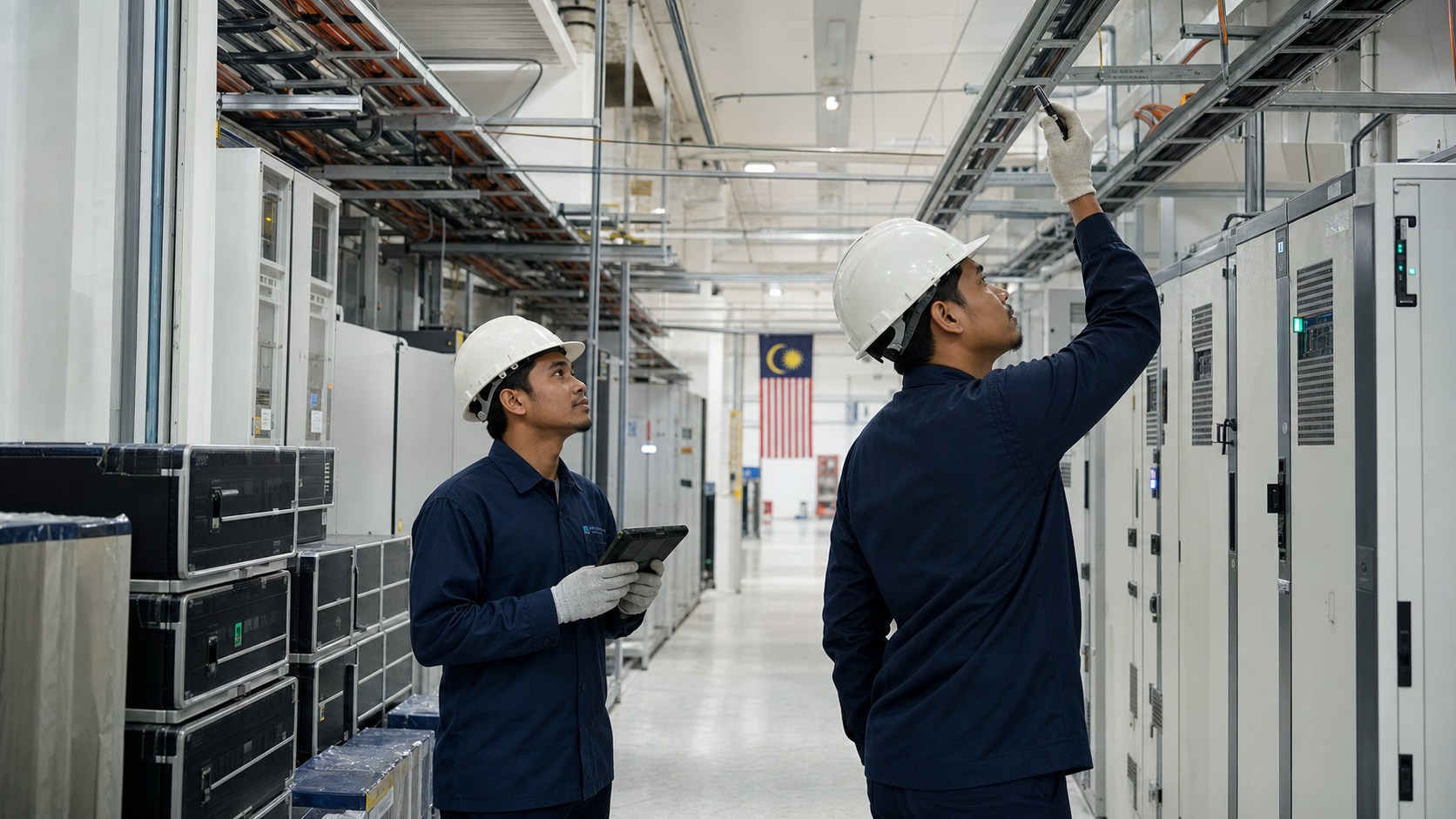
BusinessToday reported on 13 June 2026 that Malaysia and South Korea are moving into a broader phase of strategic economic cooperation, with more focus on semiconductors, artificial intelligence, electric vehicles, halal products, clean energy, carbon capture, and possible future nuclear collaboration.
That matters because this is not only a diplomatic headline. For Malaysian businesses, it points to where supplier demand, industrial partnerships, technical services, and equipment investment could build over the next few years.
What Happened
According to the report, bilateral trade between Malaysia and South Korea reached a record US$27.9 billion in 2025. The article said Malaysia moved up to become South Korea’s 11th largest trading partner, while South Korea became Malaysia’s seventh largest trade partner.
The relationship is still anchored by electrical and electronics, chemicals, machinery, and energy products. But the report says semiconductors are now the most important product category moving between the two countries.
That fits Malaysia’s current position. Malaysia remains strong in semiconductor backend work such as assembly, testing, and packaging, while South Korea is stronger in high-end technology capability and memory-chip leadership. The report also noted growing Korean interest in advanced packaging, materials, testing systems, filtration solutions, cooling technologies, EV battery materials, and AI-related infrastructure.
BusinessToday said Korean companies are already deepening their presence in Malaysia through activities linked to Sabah, Negeri Sembilan, and Kedah, while new business interest is also spreading into halal products and digital-government or AI cooperation.
Why This Matters For Malaysian SMEs
For Malaysian SMEs, the useful angle is not whether every announcement turns into immediate contracts. It is whether the direction of travel is becoming clearer.
When a major trade relationship shifts toward semiconductors, AI infrastructure, battery materials, and cleaner-energy systems, local opportunities often show up first in practical areas:
- industrial services and maintenance
- fabrication, component support, and materials supply
- logistics and warehousing for higher-value manufacturing flows
- facility upgrades, cooling systems, power-distribution work, and technical contracting
- halal manufacturing and export support for Korean-linked consumer products
That is especially relevant for suppliers that sit one or two layers below the headline names. Large multinational investment usually creates demand for smaller contractors, transport operators, workshop support, installers, testing specialists, and equipment owners that can work on tighter industrial timelines.
What To Watch Next
The first signal to watch is whether more Korean mid-sized technology firms start building a visible local footprint, not only through sales offices but through supplier links, technical partnerships, or project work in Malaysia.
The second signal is whether semiconductor cooperation moves further into advanced packaging, equipment, and materials support. That would be important for Malaysian businesses because it could raise demand for more specialized facilities, support machinery, engineering capability, and reliable operating infrastructure.
The third signal is whether clean-energy and EV investment translates into real procurement activity around copper foil, battery inputs, power systems, industrial cooling, or carbon-management infrastructure.
For SME owners, this is the kind of trend that is easy to ignore until capacity becomes tight. Businesses that serve manufacturing, logistics, industrial services, facility support, or technical contracting should watch:
- where new supplier qualification opportunities appear
- whether larger customers start asking for faster turnaround or tighter standards
- whether current equipment can still support more technical or time-sensitive work
- whether cash should be protected for hiring, certification, maintenance, or asset upgrades
Where Ing Heng Fits
Ing Heng Credit fits only at the planning stage of this story. If a Malaysian supplier or contractor sees clearer demand forming around semiconductor support, industrial services, logistics, or energy-related upgrades, financing can help preserve working cash while the business prepares the right asset base.
The more useful question is not whether every cross-border announcement should trigger immediate expansion. It is whether the business can respond quickly if better-quality work starts appearing and existing equipment, vehicles, or support capacity become a bottleneck.
News Source
- BusinessToday. “Malaysia-South Korea Ties Enter New Phase Beyond Chips And Into AI, Green Tech And Nuclear.” Published 13 June 2026. Source URL: https://www.businesstoday.com.my/2026/06/13/exclusive-malaysia-south-korea-ties-enter-new-phase-beyond-chips-and-into-ai-green-tech-and-nuclear/
Related News
Malaysia Economy News
Malaysia's Fuel Subsidy Exposure Is Still A Cost-Planning Signal For SMEs
Malaysia Economy News
Sunway's RM1.044 Billion US Tech Fit-Out Job Could Tighten Contractor Capacity
Malaysia Economy News
