Malaysia's Trade Hit RM1.8 Trillion In H1 2026. Why SMEs Should Watch Demand Timing Now
BusinessToday reported on 20 July 2026 that Malaysia's total trade reached a record RM1.796 trillion in the first half of 2026, with June exports rising 45.4% year on year. For Malaysian SMEs, the practical question is whether stronger trade flow is starting to tighten stock, delivery, and working-capital timing.
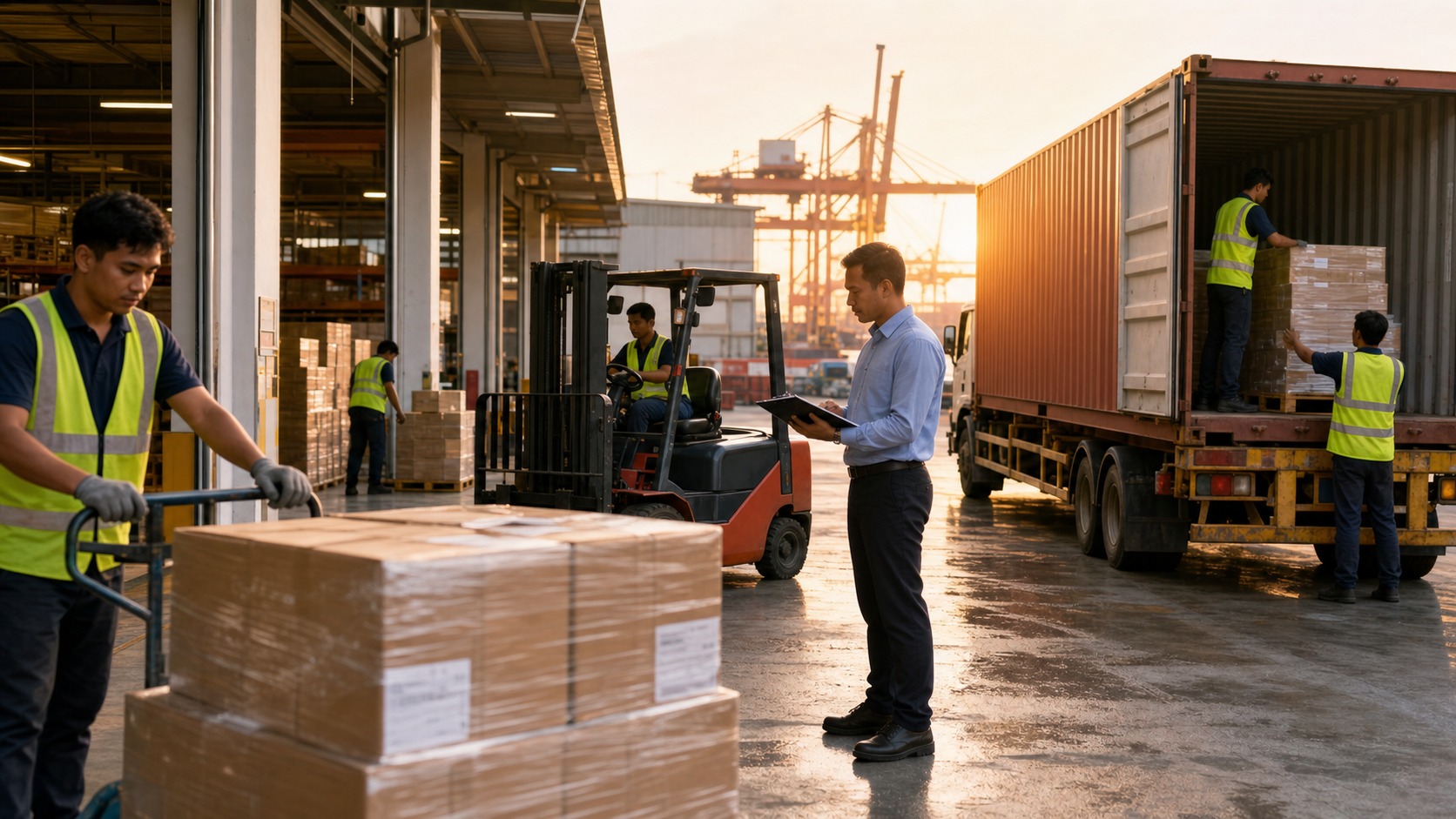
If your business depends on stock movement, imported inputs, delivery runs, or customers tied to export activity, this is the part worth watching: Malaysia’s trade flow is not just holding up. It is accelerating. BusinessToday reported on 20 July 2026 that Malaysia’s total trade reached a record RM1.796 trillion in the first half of 2026, while June alone posted the highest monthly trade value on record at RM340.89 billion.
That matters because a bigger trade number is not only a macro headline. For many SMEs, it can show up as earlier stock commitments, tighter loading schedules, longer supplier queues, or more cash tied up before invoices are paid.
What Happened
According to BusinessToday, exports rose 27.5% to RM971.59 billion in the first six months of 2026, while imports increased 16.9% to RM824.44 billion. The period produced a trade surplus of RM147.15 billion, and the report said trade, exports, imports, and the surplus all reached their highest levels ever for a January-to-June period.
The report said the first-half growth was led by manufactured goods, especially electrical and electronic products, alongside stronger contributions from petroleum products, optical and scientific equipment, and manufactures of metal. Mining exports also improved, helped by higher shipments of metalliferous ores, metal scrap, and liquefied natural gas.
Momentum strengthened further in June. BusinessToday reported that June trade surged 44.7% year on year, with exports up 45.4% to RM177.89 billion and imports up 43.9% to RM163 billion. The month also marked Malaysia’s 74th consecutive trade surplus since May 2020.
Why It Matters For Malaysian Businesses
For Malaysian SMEs, the useful question is not whether the trade headline sounds impressive. It is whether stronger trade movement is starting to change daily operating pressure.
When imports and exports move faster, businesses can feel the effects in several ways:
- more stock arriving before customer collections catch up
- busier warehouse, transport, or loading schedules
- tighter supplier lead times for trade-linked goods
- more pressure to keep vehicles, forklifts, or site equipment reliable
- greater working-capital strain even when revenue looks healthy on paper
This matters beyond direct exporters. A packaging supplier, haulage operator, spare-parts seller, warehouse contractor, workshop, or distributor can all feel stronger trade demand indirectly if customers upstream start moving more volume.
What Owners Should Watch Next
First, separate stronger activity from easier cash flow. A record trade number can improve revenue opportunities, but it can also pull cash forward into stock, fuel, labour, and transport before payment comes back in.
Second, check whether your current operating setup can absorb more movement without slipping on service. If a delivery vehicle is ageing, a forklift is overused, or inventory space is tight, stronger trade flow can expose those weak points quickly.
Third, watch whether June’s pace carries into the next few months. If demand stays firm, some businesses may need earlier reorder planning, more reliable equipment, or more room to carry inventory without disrupting payroll and supplier payments.
That is where it helps to review whether equipment financing, commercial vehicle financing, or loan financing still fits the business if trade-linked demand is improving faster than cash flow comfort.
Where Ing Heng Fits
Ing Heng fits at the planning edge of this story, not the trade-policy debate. If stronger order flow is pushing your business to add stock, replace a delivery asset, or protect working capital while demand builds, the practical step is to understand your financing room before the pressure becomes urgent.
The point is not to chase every strong headline as a signal to expand. It is to make sure the business can handle faster movement without getting squeezed by timing.
News Source
- BusinessToday. “Malaysia’s Trade Hit Record RM1.8 Trillion In H1, June Export Surge 45% RM177 Billion.” Published 20 July 2026. Source URL: https://www.businesstoday.com.my/2026/07/20/malaysias-trade-hit-record-rm1-8-trillion-in-h1-june-export-surge-45-rm177-billion/
- MATRADE. “Malaysia’s Trade Performance January - June 2026.” Accessed 21 July 2026. Source URL: https://www.matrade.gov.my/en/home
Questions Business Owners Ask
How big was Malaysia's trade in the first half of 2026?
BusinessToday reported that Malaysia's total trade reached a record RM1.796 trillion in January to June 2026.
What happened to Malaysia's exports in June 2026?
BusinessToday reported that June exports rose 45.4% year on year to RM177.89 billion, while total monthly trade reached RM340.89 billion.
Why should SMEs care about a record trade headline?
Stronger trade flow can create practical pressure around stock purchases, delivery capacity, supplier timing, and working-capital needs even for businesses that do not export directly.
Related News
Malaysia Economy News
Westports Profit Jumped, But Its Lower Volume Outlook Is The Real Signal For Malaysia Businesses
Malaysia Economy News
Eco-Shop's 100-Store FY27 Plan: Why Malaysian Suppliers Should Watch Retail Rollout Timing
Malaysia Economy News