Westports Profit Jumped, But Its Lower Volume Outlook Is The Real Signal For Malaysia Businesses
The Malaysian Reserve reported on July 24, 2026 that Westports' second-quarter net profit rose 56% on higher tariffs, even as the port operator cut its container-volume outlook. For Malaysian businesses, the practical question is what that mix says about shipping demand, delivery timing, and logistics planning.
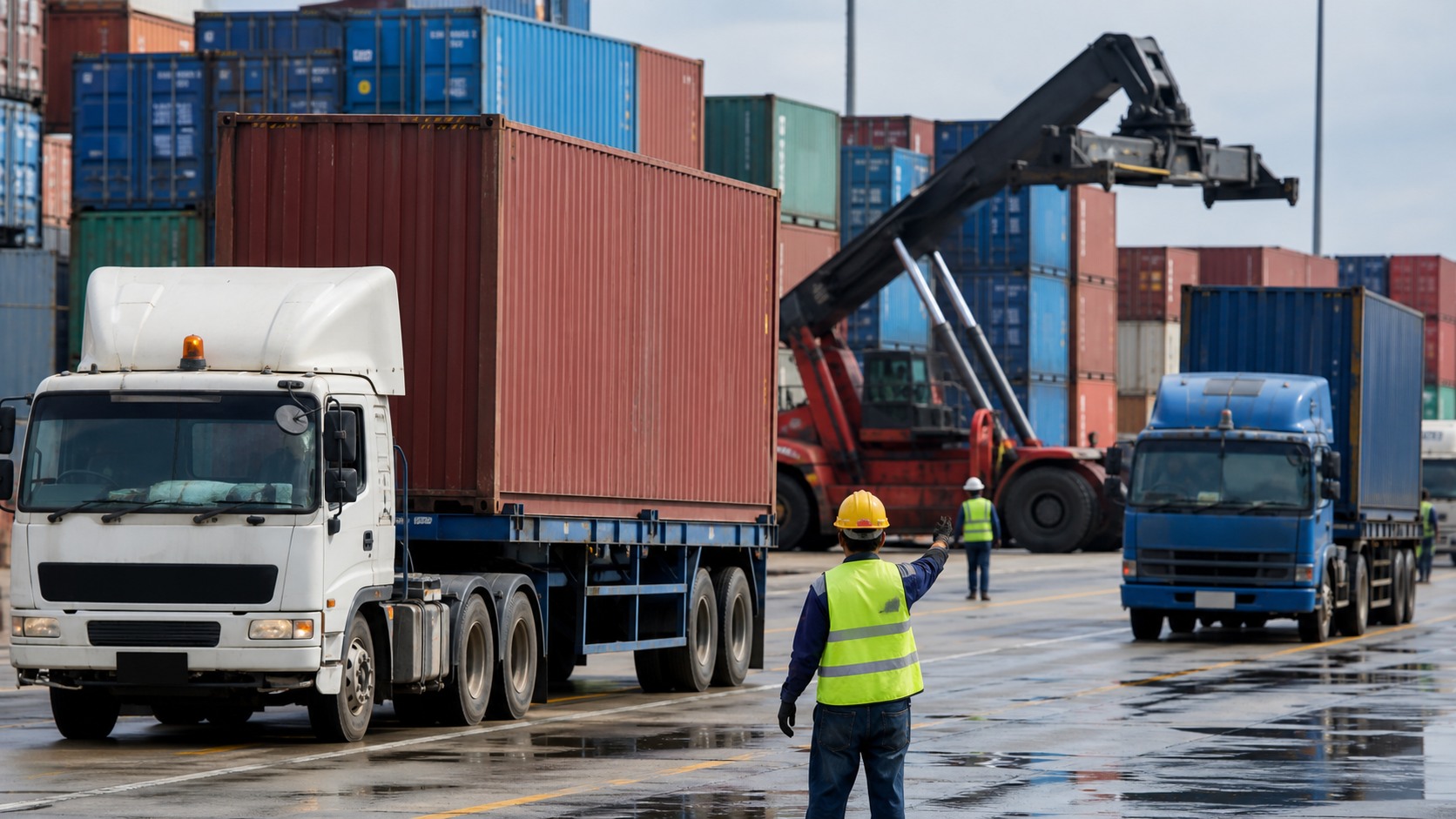
If your business depends on imported stock, outbound deliveries, warehouse turnover, or cargo-linked customer demand, this is the part worth watching: Westports made more money, but it is also sounding more careful about volume.
The Malaysian Reserve reported on July 24, 2026 that Westports’ second-quarter net profit rose 56% to RM360.9 million on higher tariffs, while the company cut its container-volume outlook. For Malaysia business readers, that combination matters because it suggests earnings can stay firm even as goods movement expectations become less straightforward.
What Happened
According to The Malaysian Reserve, Westports’ latest quarterly result showed a strong jump in profit, helped by higher tariffs. At the same time, the report said the port operator lowered its volume outlook.
That is an important distinction. A port can report better earnings because pricing improved, but a lower volume expectation can still point to more cautious assumptions about cargo flow, trade timing, or customer activity in the months ahead.
This does not automatically mean trade is weakening across the board. It does mean businesses that rely on predictable shipment movement should pay attention to whether volume softness starts affecting lead times, utilisation, and planning decisions.
Why This Matters For Malaysia Businesses
For SMEs, traders, distributors, manufacturers, and logistics operators, the useful question is not whether Westports had a good quarter. It is whether volume expectations are starting to send a different signal from headline profit.
When port earnings rise while volume guidance turns more cautious, businesses may need to watch for issues such as:
- uneven shipment timing even when pricing stays firm
- less predictable container or delivery planning
- more pressure to hold safety stock if replenishment rhythm changes
- higher risk of paying for capacity too early or too late
This matters beyond direct importers and exporters. A spare-parts supplier, food distributor, warehouse contractor, transport operator, or equipment rental business can all feel changes in cargo timing indirectly if customers become more careful about orders, collections, and stock movement.
What Owners Should Watch Next
First, separate profit headlines from demand signals. Higher tariffs may support operator earnings, but your business still needs to know whether real cargo flow is staying smooth enough to support current stock and delivery assumptions.
Second, review whether your business is exposed to timing risk. If you are carrying goods that move through ports, depending on inbound parts, or planning vehicle and handling capacity around expected shipment flow, even a mild change in volume outlook can affect cash timing.
Third, compare this signal with Malaysia’s broader trade picture. Recent trade data has been strong, but a more cautious port-volume outlook is a reminder that not every part of the logistics chain moves in a straight line. Some businesses may need more flexible planning around commercial vehicle financing, equipment financing, or existing stock and dispatch schedules instead of assuming current demand will stay evenly paced.
You may also want to compare this port-level signal with our earlier note on Malaysia’s record first-half trade if your business is trying to judge whether stronger macro trade numbers are translating into stable day-to-day movement.
Where Ing Heng Fits
Ing Heng fits at the planning edge of this story, not the port-results discussion itself. If shipment timing is becoming harder to predict and that is affecting when you need a lorry, forklift, warehouse asset, or working-capital buffer, the practical move is to review options before the pressure turns urgent.
That way, you are not making a financing decision only after delivery schedules slip or stock starts tying up more cash than expected.
News Source
- The Malaysian Reserve. “Westports 2Q net profit jumps 56% on higher tariffs, cuts volume outlook.” Published July 24, 2026. Source URL: https://themalaysianreserve.com/2026/07/24/westports-2q-net-profit-jumps-56-on-higher-tariffs-cuts-volume-outlook/
Questions Business Owners Ask
What did Westports report for the second quarter of 2026?
The Malaysian Reserve reported that Westports' second-quarter net profit rose 56% to RM360.9 million.
Why is a lower volume outlook important if profit still increased?
Because it suggests pricing or tariff support may be helping earnings even while cargo movement expectations become more cautious, which matters for businesses planning stock, transport, and capacity.
Why should SMEs outside the port sector care about this story?
Many SMEs feel port and shipping changes indirectly through supplier lead times, delivery timing, warehouse pressure, and working-capital needs tied to goods movement.
Related News
Malaysia Economy News
Eco-Shop's 100-Store FY27 Plan: Why Malaysian Suppliers Should Watch Retail Rollout Timing

Malaysia Economy News
Malaysia Vehicle Demand In 2026: Why MAA's 800,000 Forecast Matters For Fleet Timing

Malaysia Economy News