Malaysia Vehicle Demand In 2026: Why MAA's 800,000 Forecast Matters For Fleet Timing
BusinessToday reported on July 21, 2026 that MAA raised Malaysia's 2026 total industry volume forecast to 800,000 units. For business and fleet buyers, that points to stronger demand, tighter stock timing in some segments, and a narrower window to compare financing calmly.
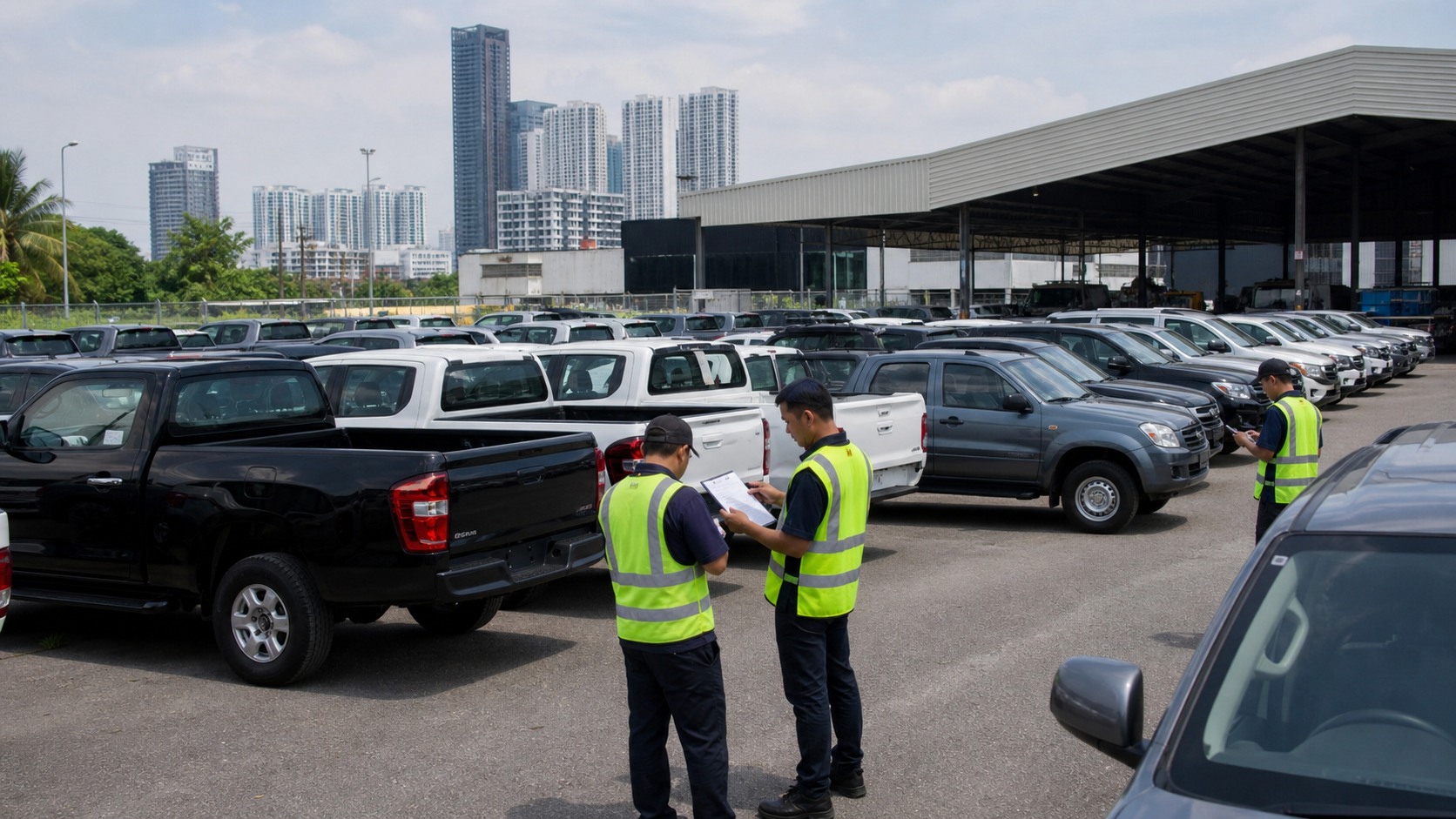
If your business expects to replace a pickup, add a company vehicle, or lock in a fleet purchase before year-end, the useful question is not whether the auto market looks healthy. It is whether stronger demand will leave you with less time to compare stock, delivery, and financing on your own terms. BusinessToday reported on July 21, 2026 that the Malaysian Automotive Association, or MAA, raised Malaysia’s 2026 total industry volume forecast to 800,000 units.
For Malaysia business readers, that matters because stronger vehicle demand can change how quickly certain models move, how much negotiating room buyers have, and how carefully SMEs need to plan repayments before the year-end selling push.
What Happened
BusinessToday reported that MAA lifted its 2026 total industry volume forecast from 790,000 to 800,000 units as demand for SUVs and electrified vehicles stayed firm. MAA said about 52% of the revised full-year projection is expected to be achieved in the remaining months of 2026.
The report also said first-half 2026 vehicle sales rose 3% year on year to 385,353 units, while total production increased 1.2% to 356,946 units. National marques accounted for 67% of new vehicle sales, and SUV sales jumped 19% thanks to fresh launches, including new EV models from national manufacturers.
MAA also raised its 2026 electrified vehicle sales forecast to 120,000 units from 100,000 units, with battery EVs and hybrid EVs each expected to contribute about 60,000 units. At the same time, the association said commercial vehicles are expected to contribute 7% of full-year TIV, slightly below its earlier 8% estimate, while pickup truck sales fell 11% after the withdrawal of diesel subsidies for private registrations.
Why It Matters For Malaysian Businesses
The main takeaway is not that every business vehicle will suddenly become harder to buy. The more practical point is that stronger demand can narrow the calm planning window for companies that still need to compare model availability, running costs, and monthly commitments.
That matters in several common situations:
- a contractor or supplier is deciding whether to replace a pickup before heavier year-end demand
- an SME expects more deliveries or site travel and needs one additional vehicle without stressing cash flow
- a growing firm wants to compare a passenger vehicle, van, or light commercial asset before stock pressure reduces choice
When SUV and EV demand is rising, dealers may still offer promotions, but your best decision may depend more on delivery timing, usable specifications, and repayment discipline than on headline discounts alone.
What To Watch Before You Commit
First, watch whether the asset solves a real operating need or simply looks attractive because the market is active. A strong market can create urgency, but urgency is expensive when the monthly repayment starts competing with payroll, stock, or repair budgets.
Second, pay attention to segment differences. BusinessToday reported that SUVs and electrified vehicles are helping drive the stronger forecast, while pickup volumes have been softer. That means some business buyers may find more pressure in one category and more flexibility in another.
Third, keep financing and ownership structure in view. Stable interest rates and year-end promotions may support demand, but they do not remove the need to compare tenure, monthly room, and how the vehicle fits your broader operating plan. If you are weighing road assets against other equipment or working-capital needs, a structured hire purchase or broader loan financing discussion can be more useful than rushing to secure a deal.
Where Ing Heng Fits
Ing Heng fits after the market signal, not inside the headline. If demand keeps firming into the second half, the practical move is to review your vehicle timeline before stock, promotions, and year-end urgency start shaping the decision for you.
That is especially useful for SMEs balancing one vehicle purchase against other commitments such as machinery upgrades, inventory buys, or expansion costs. A strong market can still be a good buying window, but only if the repayment structure leaves your business enough room to operate comfortably.
News Source
- BusinessToday. “MAA Lifts 2026 TIV Forecast To 800,000 Units As Vehicle Demand Accelerates.” Published July 21, 2026. Source URL: https://www.businesstoday.com.my/2026/07/21/maa-lifts-2026-tiv-forecast-to-800000-units-as-vehicle-demand-accelerates/
Questions Business Owners Ask
Why did MAA raise Malaysia's 2026 vehicle forecast?
BusinessToday reported that MAA raised the 2026 total industry volume forecast to 800,000 units from 790,000 because demand for SUVs and electrified vehicles remained strong and first-half sales improved year on year.
What changed in Malaysia's first-half 2026 vehicle market?
According to BusinessToday, total industry volume rose 3% to 385,353 units in the first half of 2026, SUV sales jumped 19%, and electrified vehicle sales more than doubled from a year earlier.
Why should business buyers care if commercial vehicles are a smaller share of the forecast?
The report said commercial vehicles are expected to contribute 7% of full-year TIV, down from the earlier 8% estimate, which means business buyers still need to watch stock timing, pickup demand, subsidy-related changes, and financing conditions instead of assuming supply will stay easy.
Related News

Malaysia Economy News
Westports Profit Jumped, But Its Lower Volume Outlook Is The Real Signal For Malaysia Businesses

Malaysia Economy News
Eco-Shop's 100-Store FY27 Plan: Why Malaysian Suppliers Should Watch Retail Rollout Timing

Malaysia Economy News