Malaysia's Wholesale And Retail Trade Hit RM174.8 Billion In April. What SMEs Should Read From It
BusinessToday reported on 14 June 2026 that Malaysia's wholesale and retail trade sales rose 15.3% year-on-year to RM174.8 billion in April. For Malaysian SMEs, the useful question is what that says about demand, stock timing, delivery pressure, and cash-flow planning.
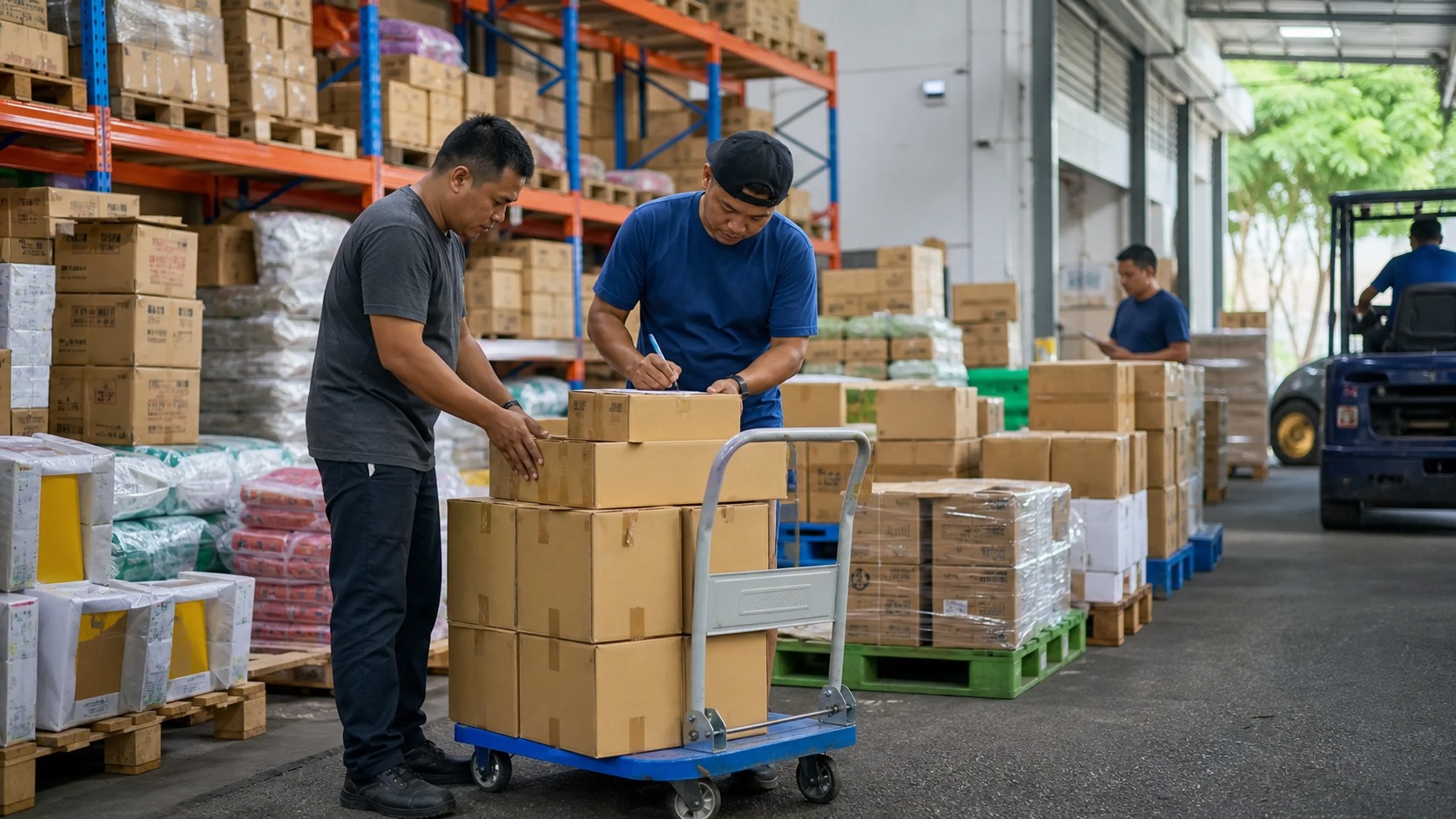
BusinessToday reported on 14 June 2026 that Malaysia’s wholesale and retail trade sales value reached RM174.8 billion in April, up 15.3% year-on-year. That sounds like a broad economic headline, but the practical question for SMEs is simpler: are orders, stock turns, and delivery pressure starting to move fast enough that operating decisions need to change?
That is the real business value in this update. Stronger trade activity can be a positive sign, but it can also create pressure if stock needs to be bought earlier, vehicles are running harder, or cash gets tied up before customer payments come in.
What Happened In April
According to the report, the Department of Statistics Malaysia said growth came from all three main segments. Wholesale trade rose 24.1%, motor vehicles grew 15.5%, and retail trade increased 6.3% from a year earlier.
The report also said sales value was 3.5% higher month-on-month, while the volume index increased 6.2% year-on-year and edged up 0.4% from March. In plain language, the data points to continued domestic trade momentum rather than a one-off spike in a single niche.
That matters because trade activity sits close to how many SMEs actually feel the economy. Suppliers, distributors, workshops, delivery operators, stockists, spare-parts sellers, and smaller retailers usually notice changes through faster movement on the ground before they show up in bigger strategy discussions.
Why This Matters For Malaysian SMEs
If wholesale trade is accelerating faster than retail, it often suggests the supply side is getting busier first. That can mean more replenishment runs, tighter stock timing, and more pressure on transport, warehousing, and short-cycle working capital.
For SMEs, the useful issue is not whether the national figure looks healthy. It is whether daily operations are starting to show the same pattern:
- customers ordering more often instead of in irregular bursts
- suppliers shortening quote validity or delivery windows
- vehicles, forklifts, or basic equipment being used harder to keep up
- more cash getting locked into stock before revenue is collected
Those are practical planning signals. A trade headline becomes meaningful only when it changes how the business buys, stores, moves, or delivers goods.
What To Watch After A Strong April
One month of stronger trade data does not guarantee an easy second half. SMEs should still watch whether the higher activity turns into repeat demand, not just temporary movement linked to promotions, seasonal ordering, or delayed restocking.
The more useful checks now are:
- whether inventories are turning faster without creating overstock risk
- whether delivery capacity is becoming a bottleneck
- whether margin is holding up after transport, labour, and supplier costs
- whether an older vehicle or warehouse asset is starting to slow response time
Businesses that depend on stock flow may also want to compare whether keeping more buffer inventory is worth the cash commitment. In some cases, a leaner approach still makes more sense. In others, missing supply windows could become the bigger cost.
Where Ing Heng Fits
Ing Heng Credit fits only at the decision stage of this story. If stronger trade activity is forcing earlier stock purchases or making an old delivery vehicle, forklift, or warehouse asset less reliable, the sensible move is to review timing before pressure becomes urgent.
That does not mean treating positive trade data as a reason to expand blindly. It means deciding whether the business can support more movement with existing cash flow, or whether structured financing for equipment or a business-use asset helps preserve room for normal operating needs.
For some owners, the better answer may still be to wait. For others, it may be to prepare financing early so the business can respond without scrambling if demand holds through the next few months.
News Source
- BusinessToday. “Malaysia’s Wholesale And Retail Remains Robust Jumping 15% To RM174 Billion In April 2026.” Published 14 June 2026. Source URL: https://www.businesstoday.com.my/2026/06/14/malaysias-wholesale-and-retail-remains-robust-jumping-15-to-rm174-billion-in-april-2026/
Questions Business Owners Ask
Why does wholesale and retail trade growth matter to SMEs?
It can signal stronger customer demand, faster stock movement, and more delivery activity, which affects purchasing, staffing, inventory timing, and working-capital planning.
Does a 15.3% rise in trade sales mean every business should expand immediately?
No. The headline shows stronger overall trade activity, but each SME still needs to check repeat orders, supplier lead times, margins, and cash collection before committing to larger stock or equipment decisions.
Which parts of the trade sector grew fastest in the April 2026 data?
BusinessToday reported that wholesale trade rose 24.1% year-on-year, motor vehicles increased 15.5%, and retail trade grew 6.3% in April 2026.