SEMICON West Deals: Check Order Readiness Before Buying Machinery
Malaysia's reported SEMICON West deals highlight export opportunities. Suppliers should confirm order scope, acceptance and cash timing before buying machinery.
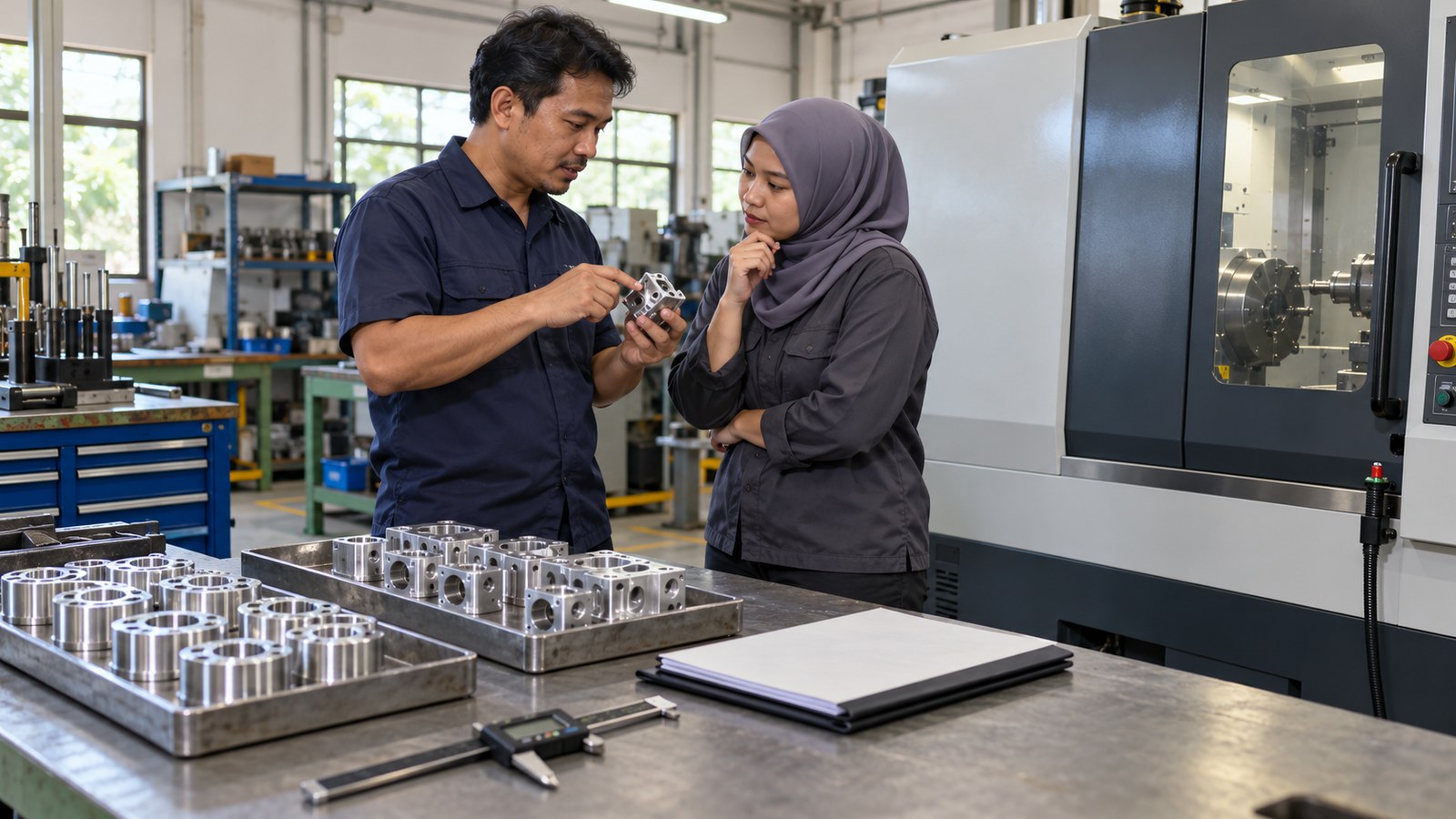
If an export conversation could bring more precision-parts or electronics work to your factory, it is tempting to start looking at a bigger machine. First establish what the customer is actually asking you to produce, how acceptance will work and when payment would arrive.
BusinessToday reported on 21 October 2026 that Malaysian participants secured RM453 million in deals at SEMICON West in San Francisco. Ten Malaysian companies, including SMEs, took part. The report covered capabilities such as precision components, metal fabrication, tooling and semiconductor equipment.
MATRADE’s 14 October statement independently described the ten-company delegation and its range of electronics-industry capabilities. The exhibition took place on 13–15 October; today’s news report follows that event.
This is encouraging export news. The aggregate figure does not tell an individual supplier which orders are firm, what must pass inspection or when cash will be received. The purchasing checks below are Ing Heng’s interpretation, rather than reported terms of those deals.
Identify the commitment behind the enquiry
Ask whether the discussion concerns an initial quotation, a sample, an agreed purchase order or a release against an existing order. Keep those stages separate in your planning.
Record the specific part, expected quantities, proposed delivery dates and who can approve changes. If the customer is still assessing a sample, identify what remains to be demonstrated before recurring production can begin. A broad expression of interest cannot tell you how many machine hours to reserve.
Agree how the customer will accept the work
A machine can be available while the order remains unready. Before choosing equipment, ask the customer’s responsible team to confirm the approved drawings or part requirements, inspection arrangements and acceptance evidence.
Clarify who pays for samples, tooling, rework and changes. These questions do not replace technical advice or the customer’s qualification process. They help you avoid selecting a machine around an assumption that has not been agreed.
Find the actual production bottleneck
Walk the proposed job through your existing operation: materials, setup, machining, inspection, packing and dispatch. Identify where the confirmed work would exceed available capacity.
If inspection or tooling is the constraint, adding machining capacity alone may leave the delivery problem unresolved. Ask the responsible technical team to define the required capability, then compare suitable supplier quotations against that need. Include commissioning, operator preparation, servicing and the space the equipment requires in your review.
Where an existing machine or an agreed subcontract arrangement could cover an initial batch, compare that option with an immediate purchase. The appropriate choice depends on your own quality requirements, available capacity and commitments; the trade-show total cannot settle it.
Put cash dates beside production dates
Prepare a simple schedule showing when deposits, tooling, materials, installation and other commitments fall due. Place the customer’s agreed payment milestones beside them.
Review what happens if a sample needs another submission, acceptance takes longer or the customer changes a delivery release. Use your actual quotations and terms. A reported export deal is not money already available to your business, and expected receipts should not be treated as collected cash.
Let confirmed work guide the next purchase
Further customer discussions may clarify which opportunities need extra equipment. Watch for approved requirements, accepted samples, written orders and workable payment arrangements before treating the opportunity as a capacity decision.
If a specific machinery purchase remains justified, review the quotation and cash schedule alongside equipment-financing options. Ing Heng can discuss the proposed purchase; suitability and financing terms require a separate assessment.
Sources: BusinessToday, 21 October 2026; MATRADE, 14 October 2026; SEMI event information. The purchasing discussion is Ing Heng’s interpretation. The original generated workshop image is illustrative and does not show an actual participant, customer or SEMICON event.
A financing option related to this article
Compare the relevant financing route and documents before committing to a purchase.
Machinery financingQuestions Business Owners Ask
Do the SEMICON West deals confirm an order for my factory?
No. BusinessToday's 21 October 2026 report gives an aggregate deal figure for participating Malaysian companies. It does not establish an order, delivery release or payment commitment for your business. Confirm your own customer's written scope and commercial terms.
What should a supplier confirm before choosing a machine?
Confirm the customer's approved part requirements, sample and acceptance arrangements, expected order quantities and delivery releases. Then identify the actual capacity constraint and obtain the responsible technical team's equipment requirements. These are general purchasing checks, not published SEMICON contract conditions.
How should a machinery buyer assess payment timing?
Map machine deposits, tooling, materials, installation and other cash commitments against the customer's agreed payment milestones. Consider a later acceptance or delivery date as well as the planned schedule. Do not treat a trade-show deal total as cash available to your company.