Rising Tin Prices: What Malaysian Electronics SMEs Should Check
Tin-price forecasts are rising. Malaysian electronics SMEs can review solder quotations, supplier terms and order timing before committing to customer prices.
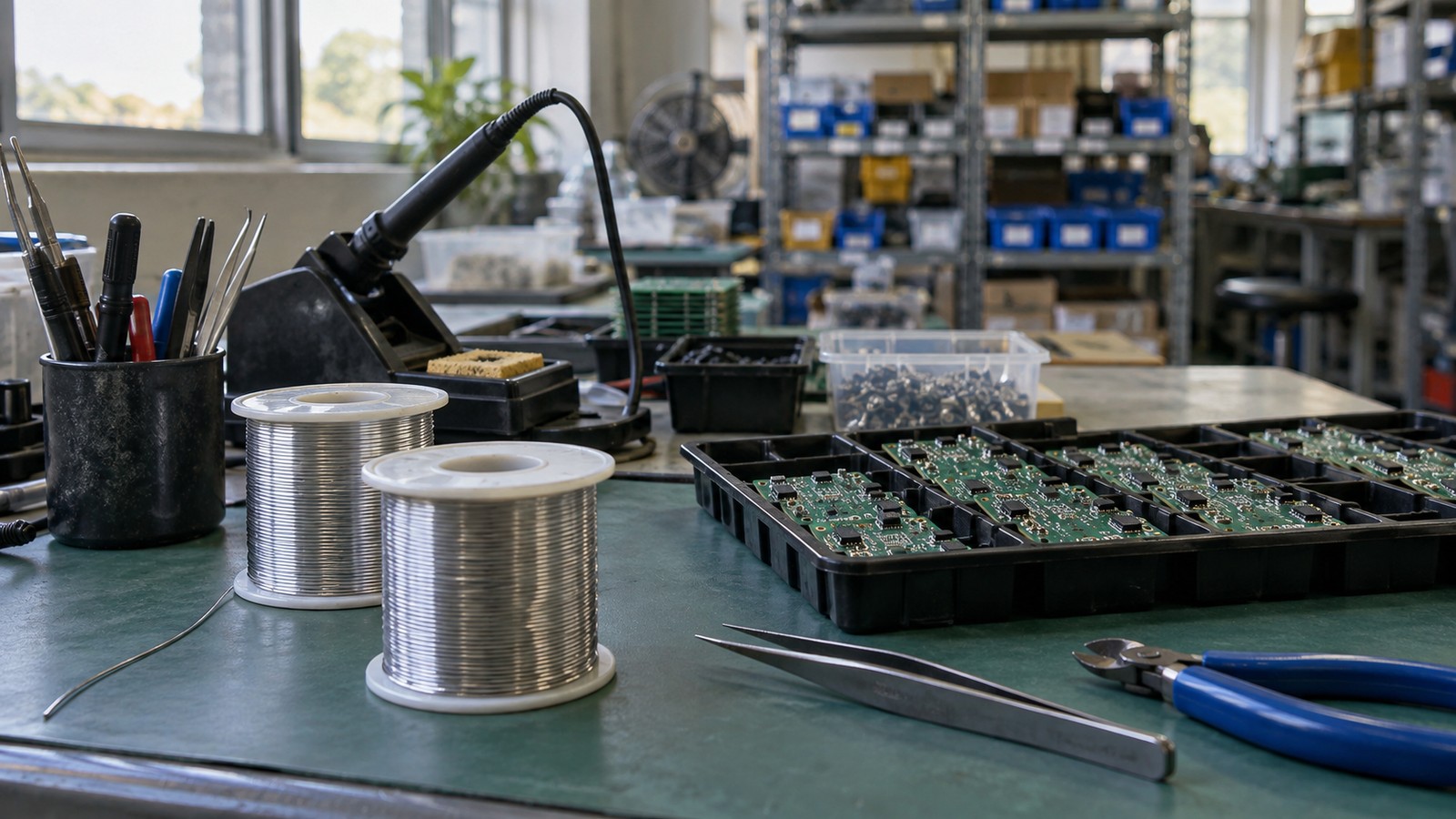
If you quote electronics assembly or repair work before confirming your next material purchase, a supplier price change can leave less room in the job. Today’s tin-market news makes it useful to check how long your solder and component quotations remain valid.
In a 14 September report, BusinessToday said BMI raised its forecast for the average tin price in 2026 to US$51,500 per tonne, from US$49,000. The report links stronger demand to AI investment and tin’s use in solder and electronics.
A tin forecast is a signal to review quotations
BMI also expects some easing in the fourth quarter, according to the report. That makes the distinction important: this is an analyst’s outlook, not a confirmed price for your next delivery.
For Malaysian SMEs, the practical question is how a material-price change reaches a specific order. The checks below are our operational interpretation of the news, rather than findings about individual Malaysian suppliers.
Start with what your supplier actually charges
A tonne of exchange-traded tin is not the same product as a delivered spool of solder or an assembled component. Avoid applying a headline percentage change to your entire bill of materials.
Instead, compare the same specification, pack size and quantity across the old and new quotations. Ask whether delivery charges, minimum quantities or payment terms have changed. If the invoice is in another currency, use the conversion quote available to your business when calculating the purchase cost.
For bought-in components, ask the supplier to explain any revised price. A tin-market headline alone does not tell you how much of a component’s price is affected.
Check four things before accepting the next customer order
- Quotation validity: Will the supplier’s price still apply when you expect to place the purchase order? Record the expiry date alongside your customer quotation.
- Confirmed demand: Separate booked work from enquiries. Extra material bought for an unconfirmed job still needs to be paid for.
- Usable stock: Count the correct specification already available, including material reserved for other jobs. Do not treat every spool on a shelf as free stock.
- Delivery and payment timing: Confirm when materials must arrive and when payment is due. Compare those dates with the production schedule and agreed customer payment milestones.
These checks create a clearer basis for a quotation. They do not guarantee a margin or remove the risk of another supplier revision.
Watch supplier terms before changing capacity
The next useful signal for your operation is a written supplier update: a new price, shorter validity period, changed delivery estimate or revised minimum order. Keep a dated comparison so a purchasing decision can be traced to an actual change.
If material use per completed job is also increasing, investigate the cause separately. Review rejected work, rework and recorded consumption before assuming the whole increase comes from commodity prices. A production trial can help establish whether a proposed process change addresses the problem you have measured.
Where an equipment discussion fits
If that review identifies a specific equipment requirement, Ing Heng’s equipment financing information is a relevant next step. Bring the equipment quotation and intended use to the discussion. Higher tin prices alone do not establish a reason to buy a machine.
Source: BusinessToday, AI Boom Drives Tin Prices Higher, Forecast To Reach US$51,500 In 2026, published 14 September 2026. Forecasts are attributed to BMI as reported by BusinessToday.
Questions Business Owners Ask
Does a higher tin forecast mean my solder supplier will raise prices immediately?
It does not establish your supplier's next price. Ask for a current quotation and confirm its validity, specification, delivery costs and payment terms.
Should I buy extra solder because tin prices may rise?
A forecast alone is not a stock requirement. Compare confirmed orders, usable stock, normal consumption and supplier lead times before increasing purchases.
Will new equipment solve higher material costs?
Equipment does not remove commodity-price exposure. Assess an equipment proposal against a measured production issue, such as rework or a capacity bottleneck, using your own operating records.