China's Investment Slowdown: Order Checks for Malaysian Suppliers
China's weaker investment raises a practical question for Malaysian suppliers: which customer orders are firm enough to support stock and production plans?
If your Malaysian business supplies industrial parts or materials to customers linked to China, check which orders are firm before changing your production plan. A weaker national investment figure is a reason to ask better questions about demand; it cannot tell you which customer will reorder.
BusinessToday reported on September 15, 2026 that China’s fixed-asset investment fell 7.2% year on year in January-August, citing the country’s National Bureau of Statistics. The same report said industrial production grew 5.2% year on year in August. Those measures describe different activity and different periods. Read the BusinessToday report.
Investment and factory output answer different questions
Investment concerns spending on assets such as facilities and equipment. Industrial output concerns what industry produces. Existing factories can keep producing even when businesses are cautious about committing to new capacity.
For your order book, the useful distinction is the customer’s intended use. A component needed for routine production may follow a different purchasing schedule from material intended for a new project. Neither headline number establishes what will happen to your particular order.
The checks below are our operational interpretation for Malaysian suppliers, not findings about individual companies in the source report.
Four checks before changing stock or production
1. Identify the end-use. Ask whether the goods support an operating line, maintenance work or a new installation. If you sell through a distributor, establish what the distributor can actually confirm rather than assuming that every shipment serves the same market.
2. Separate interest from commitment. Keep enquiries, customer forecasts, purchase orders and delivery releases distinct. Record quantities, dates and the applicable cancellation or rescheduling terms. An encouraging conversation should not quietly become a firm production requirement.
3. Compare changes by customer and product. Look for revised quantities, postponed collections or longer gaps between repeat orders. Compare like-for-like products and periods. One large order moving between months can distort the overall picture.
4. Match purchasing to the next confirmed requirement. Check supplier lead times and minimum order quantities against customer commitments. Identify materials that can serve several customers and those that would be difficult to reuse if one project moves.
A delivery release matters more than an optimistic forecast
Consider a hypothetical buyer forecasting three monthly batches while confirming only the first delivery. Your planning sheet should show one confirmed batch and two forecast batches, with the terms attached to each.
Before buying all the materials, ask when the later releases will be decided and whether your own supplier can stage deliveries. The point is to make the uncertainty visible before stock, machine time and storage space are committed.
This method also avoids an unnecessary cutback: if a customer confirms all three batches under agreed terms, a broad economic headline should not erase that evidence from your schedule.
Watch customer behaviour before expanding capacity
Over the coming order cycles, watch confirmed quantities, release dates, actual collections and use of existing machines. If several customers postpone work, review the resulting idle time. If confirmed orders remain steady, assess capacity against that workload.
A national release provides context. Your own order records show where a decision is needed. This report alone does not establish lower Malaysian export sales, cheaper imports or a particular direction for supplier prices.
Where Ing Heng fits
If confirmed workload supports an equipment purchase, prepare the quotation alongside your utilisation and delivery plan before discussing equipment financing with Ing Heng. A clear operational need makes the discussion more useful than buying capacity in response to a headline.
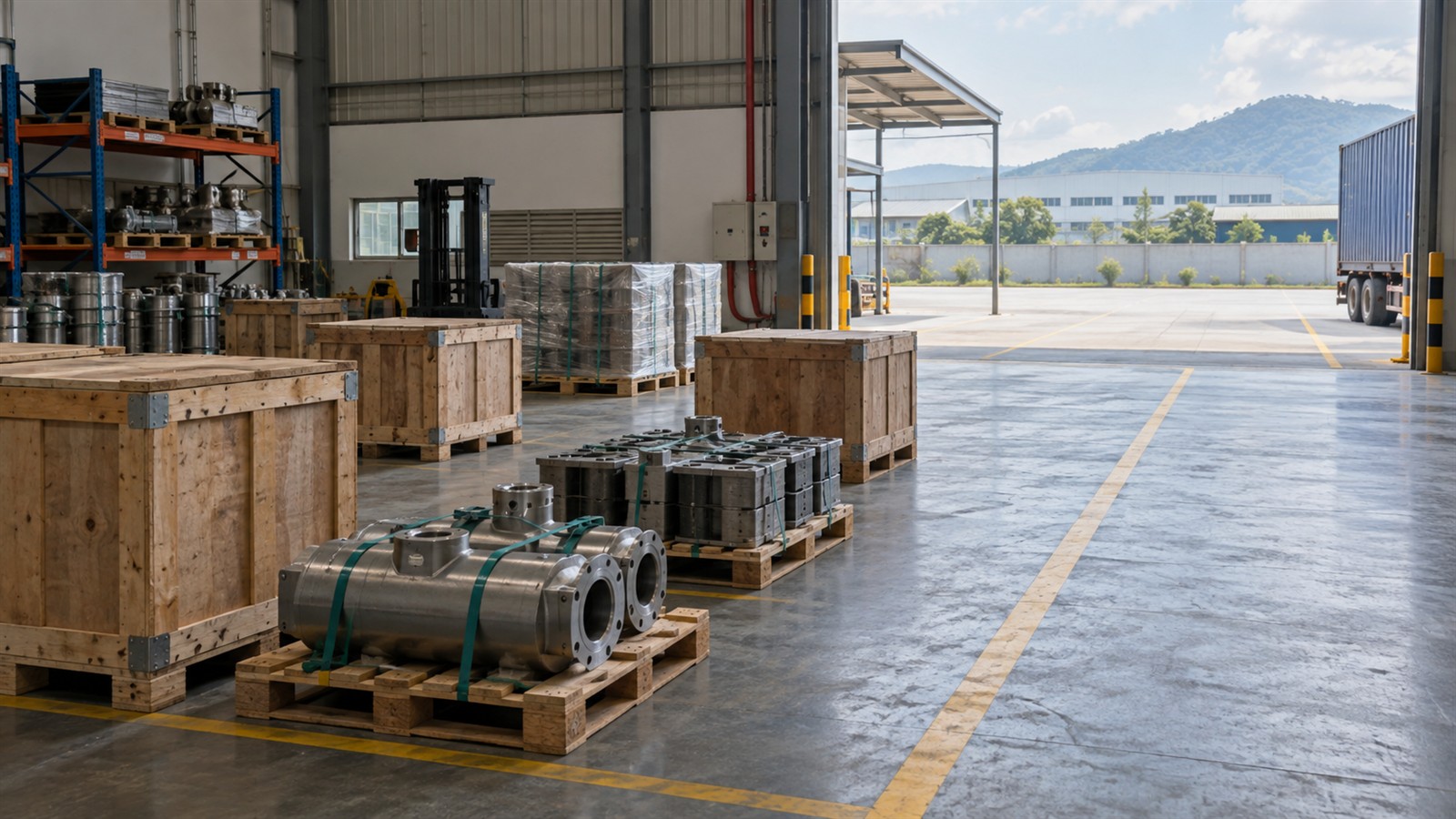
Image: AI-generated editorial illustration of a generic warehouse, not a photograph of a company mentioned in the source.
Questions Business Owners Ask
Does weaker Chinese investment mean my Malaysian business will receive fewer orders?
The national figure cannot establish that. Check what your customers buy the goods for, whether delivery releases have changed and how much of your workload is confirmed.
What is the first order-book check to make?
Separate enquiries, forecasts, purchase orders and delivery releases. Record the quantity, required date and any cancellation or rescheduling terms for each commitment.
Should suppliers delay equipment purchases because of this news?
The headline alone is insufficient. Review existing machine utilisation, confirmed workload and the operational reason for the purchase before deciding.
Related News
World Economy News
Rising Tin Prices: What Malaysian Electronics SMEs Should Check

World Economy News
Global Food Prices Hit Their Highest Since 2022: What Malaysian SMEs Should Watch

World Economy News
