Global Food Prices Hit Their Highest Since 2022: What Malaysian SMEs Should Watch
The FAO Food Price Index rose to 133.3 points in August 2026. Malaysian food operators, wholesalers and retailers should watch supplier quotes, stock timing and margins.
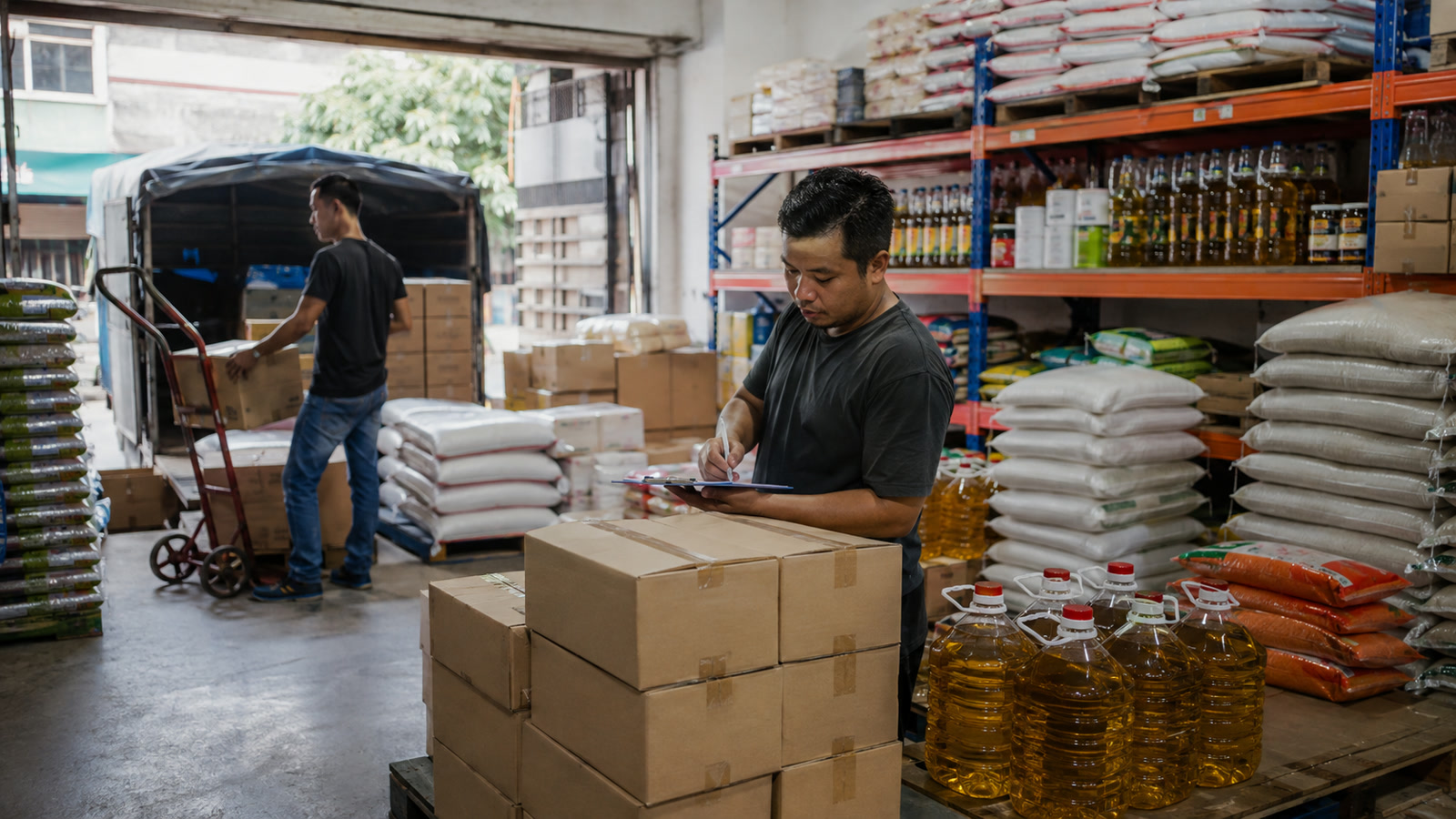
If food, beverages or ingredients make up a large share of your costs, the latest global price signal deserves attention before you confirm a large order or promise customers a fixed price.
Free Malaysia Today reported on September 4, 2026 that the FAO Food Price Index averaged 133.3 points in August, up from July’s revised 130.8. The report said this was the index’s highest level since late 2022, as adverse weather and disruptions around the Gulf and Black Sea added uncertainty to staple-food supply.
For Malaysian food operators, wholesalers, retailers, caterers and manufacturers, this does not mean every local price will rise immediately or by the same amount. It does mean supplier quotes, stock decisions and customer pricing deserve a closer check.
What Changed In The August 2026 Food Price Index
The FAO index measures monthly changes in international prices across a basket of widely traded food commodities. According to the FMT report, the August reading rose to 133.3 points from a revised 130.8 in July.
The report also highlighted pressure in major categories: grain prices had reached a three-year high, while sugar was at a one-year peak. It linked the broader uncertainty to extreme heat and drought in Europe, the threat of a severe El Nino weather pattern, and trade disruption connected with wars in Ukraine and Iran.
These are global wholesale signals. They are not a direct forecast of what a Malaysian restaurant, grocer or household will pay next week.
Why Higher Global Food Prices Matter To Malaysian SMEs
The practical question is: what do higher global food prices mean for your next supplier order and selling price?
If you rely on imported ingredients or goods priced against global markets, a supplier may shorten a quotation’s validity, change minimum-order terms or pass through higher replacement costs. Even when you source locally, producers and distributors can still face pressure from feed, fertiliser, fuel, packaging and transport.
The impact will vary by product and contract. Currency movements, existing inventory, local harvests, government measures and competition can delay or soften a global price change. That is why the index should be treated as an early planning signal, not a reason to make a rushed bulk purchase.
For businesses with thin margins, timing matters. Buying too little can leave you exposed to a later price increase. Buying too much can tie up cash, increase spoilage or storage risk, and leave less room for wages, rent and deliveries.
What Food Businesses Should Check Now
Before changing prices or building inventory, review:
- which ingredients or stock categories contribute most to your gross margin
- whether current supplier quotes are fixed, provisional or subject to replacement cost
- how long extra stock can be stored without quality loss or spoilage
- whether customer contracts let you revise prices when inputs move
- whether your sales and collection cycle can support a larger order
- the full cost of storage, refrigeration, delivery and handling
A bakery watching flour and sugar will have a different exposure from a restaurant buying meat, oils and imported dairy. A wholesaler may be more sensitive to inventory value and payment terms, while a retailer may need to protect price competitiveness.
Related planning guides on loan financing, commercial vehicle financing and equipment financing can help you separate a genuine operating need from a reaction to one headline.
What To Watch After This Price Signal
Watch the next supplier quotation rather than assuming the global index has already reached your invoice. Also track the ringgit, freight or delivery surcharges, and whether customers are trading down to cheaper products.
If input costs rise but demand weakens, passing through the full increase may be difficult. In that situation, smaller and more frequent orders, product-mix changes or tighter purchasing controls may protect cash better than simply carrying more stock.
Where Ing Heng Fits
Ing Heng fits at the planning stage. If changing supplier costs are affecting a stock purchase, cold-chain upgrade, kitchen-equipment need or delivery plan, compare any financing commitment with the cash the purchase is expected to release or protect.
The goal is not to borrow because an index moved. It is to keep a necessary business investment aligned with your margins, storage capacity and customer payment timing.
News Source
- Free Malaysia Today. “World food prices at highest since 2022 as supply risks mount, says FAO.” Published September 4, 2026. Read the source report.
- Food and Agriculture Organization of the United Nations. FAO Food Price Index.
Questions Business Owners Ask
What happened to global food prices in August 2026?
The FAO Food Price Index averaged 133.3 points in August 2026, up from a revised 130.8 in July and at its highest level since late 2022, according to the September 4 report cited by Free Malaysia Today.
Will Malaysian retail food prices rise by the same amount?
Not necessarily. The global index tracks internationally traded commodities, while Malaysian prices also depend on exchange rates, contracts, freight, local supply, subsidies, competition and how quickly suppliers revise quotes.
Which Malaysian businesses should pay closest attention?
Food manufacturers, restaurants, bakeries, wholesalers, grocers, caterers and logistics operators should watch categories that make up a large share of their input costs or stock value.
What should an SME check before buying more stock?
Check the latest supplier quote, its validity period, expected sales volume, storage life, customer payment timing and the margin left after delivery, labour and financing costs.
Related News
World Economy News
China's Investment Slowdown: Order Checks for Malaysian Suppliers
World Economy News
Rising Tin Prices: What Malaysian Electronics SMEs Should Check
World Economy News
