Airlines Get Relief: What Malaysia's Aviation Support Says About Cash-Flow Pressure
The Malaysian Reserve reported measures to ease financial strain on airlines affected by Middle East conflict. The wider lesson for transport-heavy SMEs is cash-flow resilience.
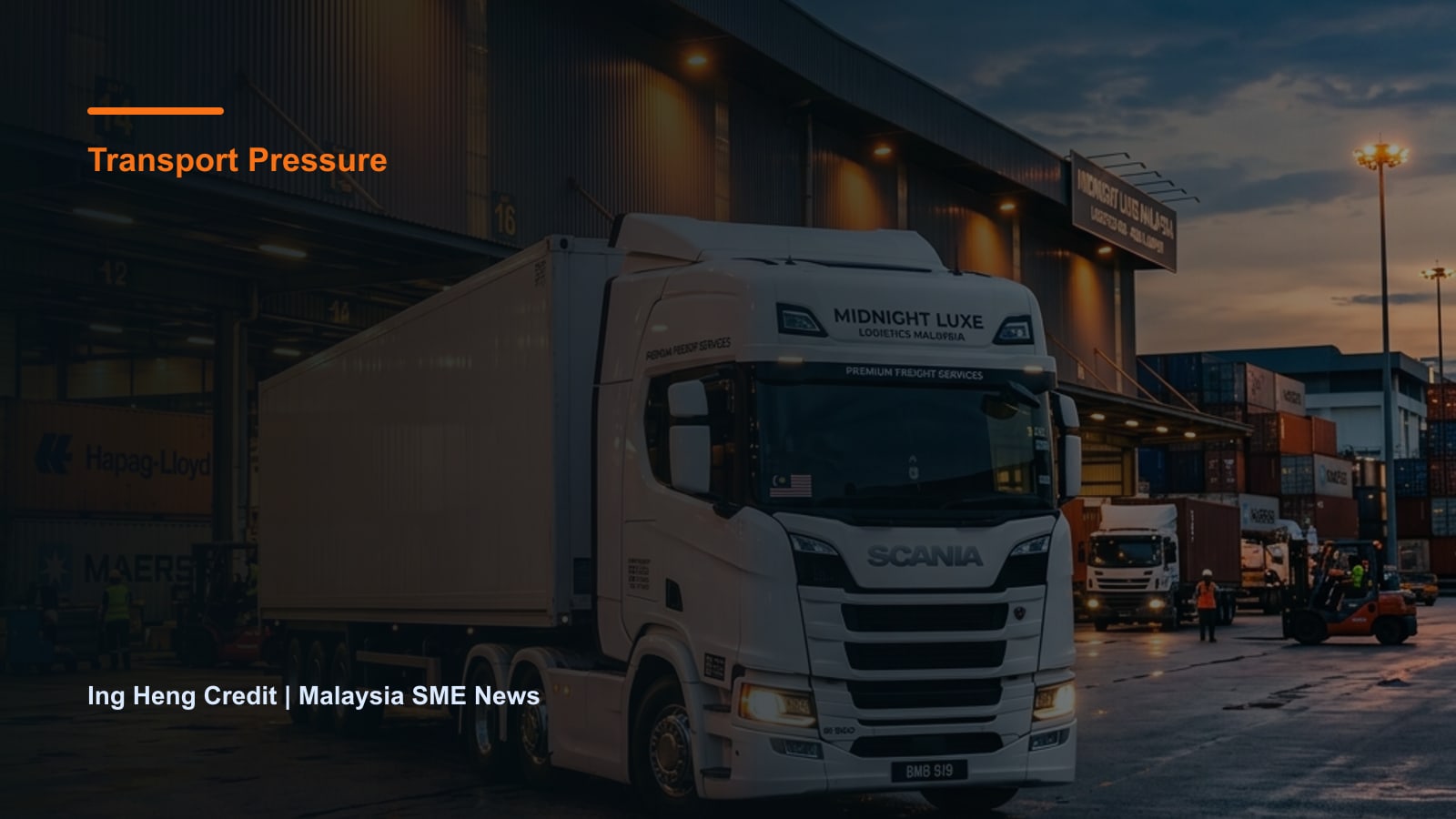
When airlines need relief, smaller transport businesses should pay attention.
The Malaysian Reserve reported on 17 May 2026 that Malaysia introduced measures to support aviation industry stability and ease financial strain on airlines affected by the Middle East conflict. The report said authorities offered an extension of up to 60 days for certain obligations as airlines dealt with pressure from disrupted conditions.
The story is about airlines, but the lesson is wider.
Transport-heavy businesses are exposed when fuel, routes, schedules, insurance, maintenance, and customer demand shift at the same time. Large airlines may receive structured relief. Smaller SMEs usually have to build their own buffer.
That is why the aviation headline matters to lorry operators, logistics firms, contractors, warehousing companies, service fleets, and businesses that depend on commercial vehicles.
Transport Pressure Moves Fast
Transport businesses rarely fail because of one cost line. The squeeze usually comes from several directions at once.
Fuel becomes unpredictable. Maintenance becomes urgent. Parts cost more. Customers resist delivery surcharge changes. Drivers and staff still need to be paid. Vehicles still need insurance, permits, tyres, servicing, and repairs.
When external disruption hits, the business may not have time to slowly adjust.
Airlines face this at a large scale. SMEs face it in smaller but more personal ways. One grounded aircraft is a major corporate issue. One broken lorry can still be a serious cash-flow problem for a small operator.
If a vehicle or machine stops working, revenue can stop while costs continue.
Relief Is A Signal, Not A Safety Net
Government support for aviation shows that transport disruption can become serious enough to justify policy action. But most SMEs should not assume similar relief will appear for their own sector.
That means owners need to review their own resilience.
Does the business have enough cash to handle a repair? Can it replace a critical vehicle without draining payroll money? Are customer payment terms too slow compared with supplier payment terms? Is there a backup plan if fuel or parts costs rise again?
These questions are not only finance questions. They are operating questions.
For an SME, a financing decision can either protect cash flow or weaken it. Paying fully in cash may reduce debt, but it can also remove the buffer needed for fuel, payroll, stock, repairs, and emergency work. Financing a vehicle or machine may preserve cash, but only if repayment fits the real monthly business cycle.
The right answer depends on the business.
What Smaller Operators Should Watch
The Malaysian Reserve report points to financial strain inside a major transport-linked sector. SMEs should translate that into practical monitoring.
Warning signs include:
- fuel costs becoming harder to price into jobs;
- customers delaying payment while transport costs rise;
- older vehicles requiring more frequent repairs;
- parts or tyres becoming harder to source quickly;
- suppliers asking for faster payment or smaller credit terms;
- project or route schedules changing because of wider disruption.
If several of these signs appear together, owners should not wait until a vehicle fails or cash runs thin.
They should review which assets are essential, which can be repaired, which should be replaced, and whether financing can reduce the strain on working cash.
Where Ing Heng Fits
For transport-heavy SMEs, Ing Heng Credit can help review commercial vehicle, equipment, and machinery financing options before a repair or replacement becomes urgent. The goal is to help owners keep essential assets working while preserving cash for fuel, tyres, payroll, parts, and daily operating costs.
If your company depends on lorries, prime movers, forklifts, site vehicles, or other working assets, speak with Ing Heng Credit before disruption turns into a rushed purchase. A suitable financing structure may help the business protect cash flow while keeping operations moving.
Source
- The Malaysian Reserve. “Malaysia unveils measures to help airlines hit by Iran war.” Published 17 May 2026. Source URL: https://themalaysianreserve.com/2026/05/17/malaysia-unveils-measures-to-help-airlines-hit-by-iran-war/