Oil Shock Hits The Rupee: Malaysian SMEs Should Watch The Next Fuel And Import Squeeze
Free Malaysia Today reported pressure on India's rupee after an oil shock. Malaysian SMEs should treat currency and fuel stress as an early warning for operating costs.
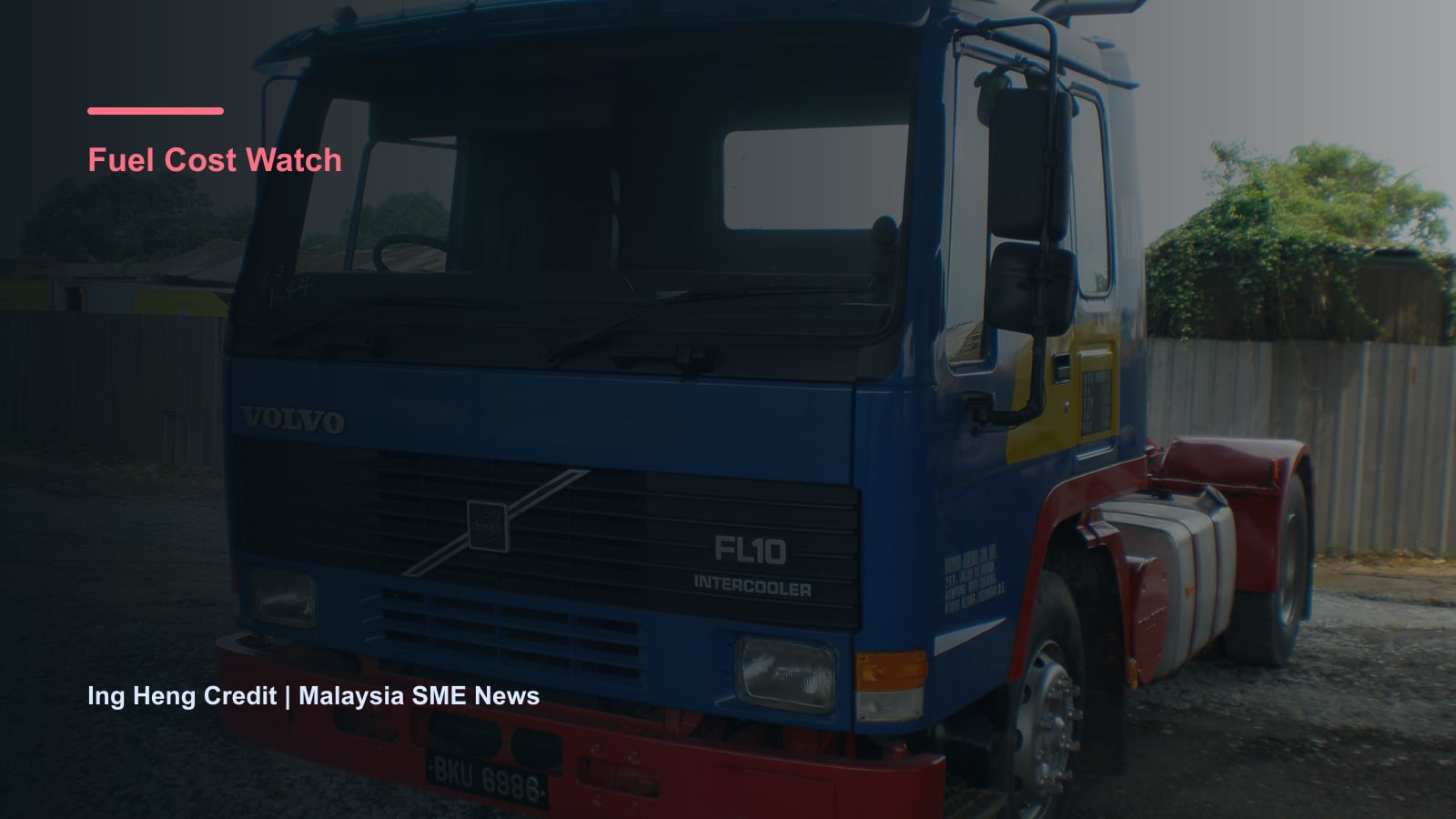
An oil shock in another market can still become a warning for Malaysian SMEs.
Free Malaysia Today reported on 17 May 2026 that India was moving to steady the rupee after oil-related pressure, with the currency down more than 5% since the Middle East crisis erupted in February. The report framed the rupee as one of Asia’s weakest major currencies so far in 2026.
For Malaysian business owners, the point is not to predict the rupee. The point is to watch how quickly oil pressure can move from global news into business costs.
Fuel, freight, imported parts, shipping, currency movement, and supplier confidence are connected. When oil becomes volatile, businesses that depend on vehicles, machinery, and imported inputs often feel the effect before the headline becomes local.
Fuel Pressure Does Not Stay In One Place
Transport operators see fuel pressure directly. Every lorry, van, prime mover, delivery route, and site trip has a cost attached to it.
But fuel pressure also spreads beyond transport.
Contractors may see higher movement costs for machinery and materials. Traders may see higher delivery charges. Manufacturers may face higher input and logistics costs. Workshops may see parts prices shift. Importers may receive shorter quote validity from suppliers who are unsure where shipping, exchange rates, or inventory costs will settle.
The problem is not only that prices rise. The problem is that owners lose predictability.
When costs become unstable, cash flow becomes harder to plan. A job that looked profitable last month may become tighter after fuel, parts, labour, and delivery costs move. A machine replacement may be delayed because the owner wants to preserve cash. A vehicle may be kept running longer than it should because the business is unsure whether now is the right time to buy.
Those decisions can create hidden costs.
Delayed Replacement Can Become A Margin Problem
Many SMEs respond to uncertainty by delaying capital purchases. That can be sensible when the asset is optional. It becomes dangerous when the asset is already affecting revenue.
A lorry with repeated breakdowns does not only create repair bills. It can delay deliveries, damage customer confidence, and force expensive last-minute arrangements. A machine that keeps stopping can slow output and create overtime. A contractor that waits too long to replace equipment may lose site productivity.
In a volatile cost environment, the question is not simply whether to buy now or later. The better question is which option protects cash and keeps the business operating.
Some owners may choose a used asset. Some may repair and wait. Some may finance a replacement to avoid using too much cash upfront. Some may renegotiate customer terms if fuel and delivery costs move sharply.
The important part is making the decision before pressure becomes urgent.
What Malaysian SMEs Should Watch
The FMT report is about India, but the signal is broader: oil shocks can pressure currencies, and currency pressure can raise the cost of imported goods.
Malaysian SMEs should watch for practical signs:
- fuel and delivery costs becoming less predictable;
- parts suppliers shortening quote validity;
- imported equipment prices changing faster than usual;
- dealers warning about replacement stock or shipping delays;
- customers resisting price adjustments while operating costs rise.
If those signs appear together, owners should review cash commitments before making large purchases.
This is especially important for businesses that rely on vehicles, machinery, forklifts, compressors, generators, or production equipment. These assets keep revenue moving, but they also compete with working cash when bought upfront.
Where Ing Heng Fits
For SMEs exposed to fuel, vehicle, machinery, or imported-equipment costs, Ing Heng Credit can help review financing options before a replacement decision drains too much cash. The goal is to help owners secure essential working assets while preserving room for fuel, wages, repairs, stock, and supplier payments.
If your business is watching fuel volatility, parts pricing, or vehicle replacement timing, speak with Ing Heng Credit before committing cash. A structured financing plan may help the business keep moving while cost pressure remains uncertain.
Source
- Free Malaysia Today. “India scrambles to steady rupee as oil shock bites.” Published 17 May 2026. Source URL: https://www.freemalaysiatoday.com/category/business/2026/05/17/india-scrambles-to-steady-rupee-as-oil-shock-bites