Malaysia's RM85.4 Billion Construction Awards Signal A Deeper Private-Sector Pipeline
BusinessToday reported on July 8, 2026 that Malaysia's main contractor awards reached RM85.4 billion in the first five months of 2026. For contractors, suppliers, and SMEs, the practical question is whether private-project demand and second-wave data-centre work are pulling capacity decisions forward.
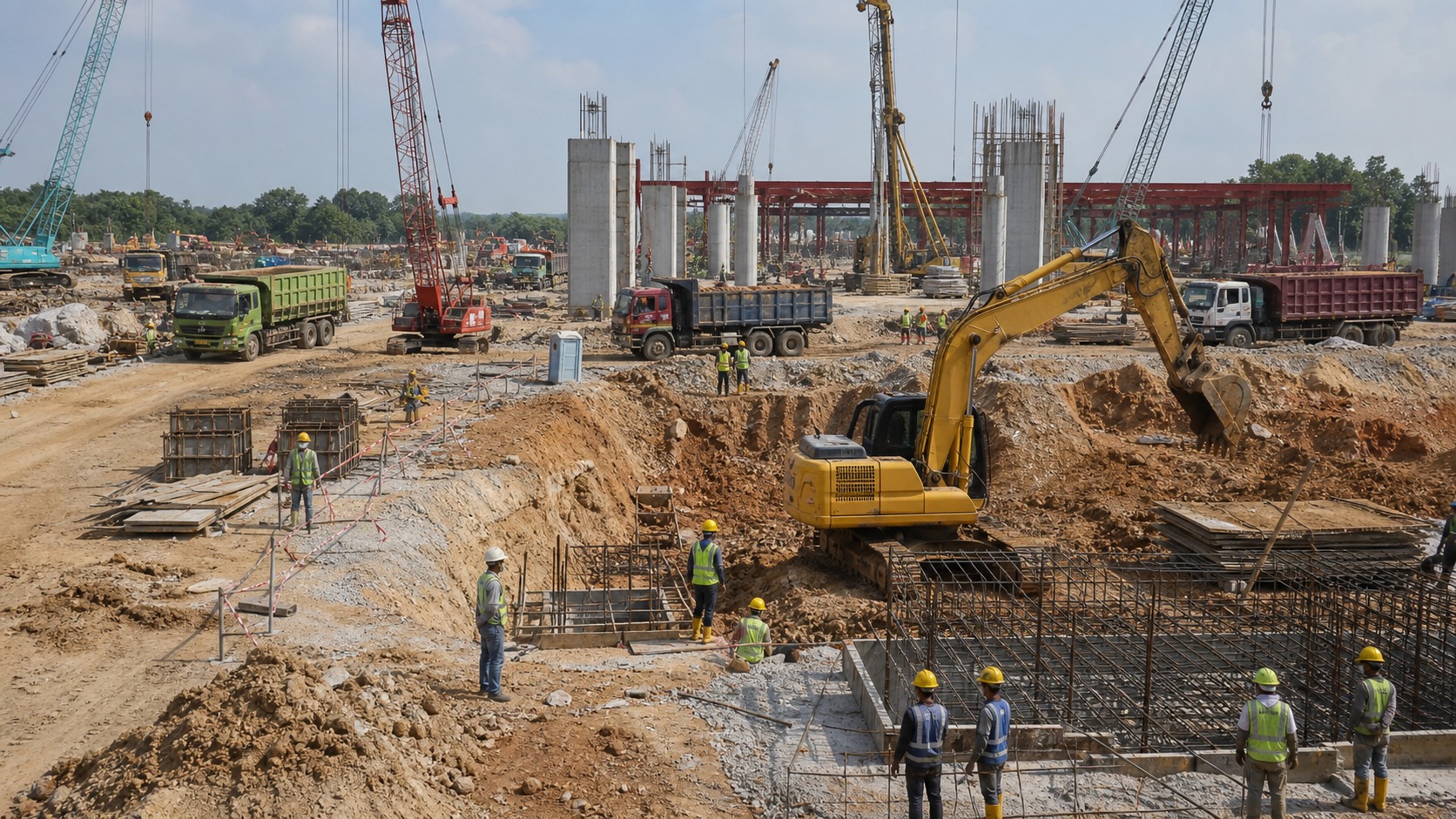
If your business depends on project work, supply deliveries, machinery readiness, or subcontract timing, this is the type of headline that matters before new revenue fully shows up in your accounts.
BusinessToday reported on July 8, 2026 that Malaysia’s main contractor awards reached RM85.4 billion in the first five months of 2026, with private-sector projects making up 75% of the total. The report also said Kenanga expects a second phase of data-centre expansion to keep supporting sector growth.
For Malaysian contractors, suppliers, transport operators, and SME owners, the practical question is not whether RM85.4 billion sounds impressive. It is whether the pipeline is getting deep enough that you need to prepare for faster demand, tighter delivery windows, and earlier capacity decisions.
What Happened
According to BusinessToday, citing Kenanga Investment Bank Research and CIDB data, contract awards in the first five months of 2026 are already tracking above the sector’s long-run annual averages, even if still below the exceptional RM238.9 billion recorded in 2025.
The source said private projects accounted for 75% of awards, while government jobs made up the remaining 25%. That mix matters because a private-led cycle often moves differently from a purely public one. Award announcements can translate into faster mobilization pressure for suppliers, site-service firms, equipment users, and logistics partners.
BusinessToday also highlighted a wider infrastructure pipeline that includes the Penang LRT, further work under the Pan Borneo Highway, the Sabah-Sarawak Link Road, and Johor’s proposed e-ART system.
Why The Story Matters For Malaysian SMEs
The strongest takeaway is not only that construction remains active. It is that activity appears broad enough to affect smaller businesses around the main contractors.
When a private-project pipeline grows, SMEs often feel the pressure first through ordinary operating issues:
- more urgent material bookings
- tighter transport and delivery scheduling
- higher reliance on rented or owned machinery
- earlier labour or supplier commitments before collections catch up
That is especially relevant if your business supplies industrial customers, handles site support, moves heavy goods, rents equipment, or serves data-centre and infrastructure corridors. A larger pipeline can improve opportunity while also making under-capacity problems more expensive.
Why The Data-Centre Angle Still Matters
BusinessToday said Kenanga sees Malaysia’s data-centre industry entering a second phase of expansion, supported by continued land deals and infrastructure development.
That matters because the data-centre theme is no longer only a Johor headline or a one-off contract story. It points to a wider build cycle that can keep pulling demand into electrical support, transport, materials handling, site services, specialist tools, and contractor capacity planning.
For smaller operators, that usually becomes a timing issue before it becomes a headline growth story. You may see enquiries, quotations, and tighter supplier expectations earlier than you see the cash from completed work.
What Owners Should Watch Next
The useful question now is whether the pipeline around your business is becoming concrete enough to justify earlier preparation.
Check:
- whether enquiries are turning into confirmed work or staying at quotation stage
- whether supplier deposits or material purchases are arriving earlier than customer payments
- whether one additional vehicle, machine, or tool would remove a real bottleneck
- whether current jobs already leave too little room for a faster project cycle
If those pressures are building, the issue is not simply growth. It is whether the business can add capacity without draining cash needed for payroll, fuel, stock, or ordinary operating costs.
If you are evaluating vehicles or machinery tied to project readiness, it can also help to compare this trend with related signals such as Selangor’s wider construction cycle or Johor’s data-centre-linked supply demand.
Where Ing Heng Fits
Ing Heng fits at the planning edge of this story. If stronger project visibility is pushing you toward more equipment, support vehicles, or structured working-capital decisions, the better move is usually to review financing before the gap becomes urgent.
That does not mean every award headline should trigger a purchase. It means businesses should check whether a deeper pipeline is forming around them, and whether they can respond without letting cash flow tighten at the wrong moment.
News Source
- BusinessToday. “Construction Sector Remains Robust As Contract Awards Reach RM85 Billion In First Five Months.” Published July 8, 2026. Source URL: https://www.businesstoday.com.my/2026/07/08/construction-sector-remains-robust-as-contract-awards-reach-rm85-billion-in-first-five-months/
Questions Business Owners Ask
What did BusinessToday report on July 8, 2026?
BusinessToday reported that Malaysia's main contractor awards reached RM85.4 billion in the first five months of 2026, with private-sector projects accounting for 75% of the total.
Why does the private-sector share matter to smaller businesses?
Because a private-led project cycle can create earlier demand for subcontracting, transport, materials, tools, and supplier coordination across SMEs before public-project billings arrive.
What is the data-centre angle in this story?
BusinessToday said Kenanga expects a second phase of data-centre expansion to remain a key construction growth driver, which could keep demand active for contractors and supporting suppliers.
Related News

Malaysia Economy News
Malaysia's Petroleum Reserve Study Could Change How Fuel-Exposed SMEs Plan Risk
Malaysia Economy News
Malaysia's LSS6 Solar Push Could Pull Contractor And Supplier Timelines Forward

Malaysia Economy News