Malaysia Wants Faster Drone And AI Adoption. Why SMEs Should Watch Operations, Skills, And Equipment Now
BusinessToday reported on 27 June 2026 that Malaysia is backing faster drone-sector development beyond defence use, with focus on agriculture, plantations, regulation, funding, testing, certification, and talent. For Malaysian SMEs, the practical question is whether drone-linked service demand and readiness requirements are about to move faster.
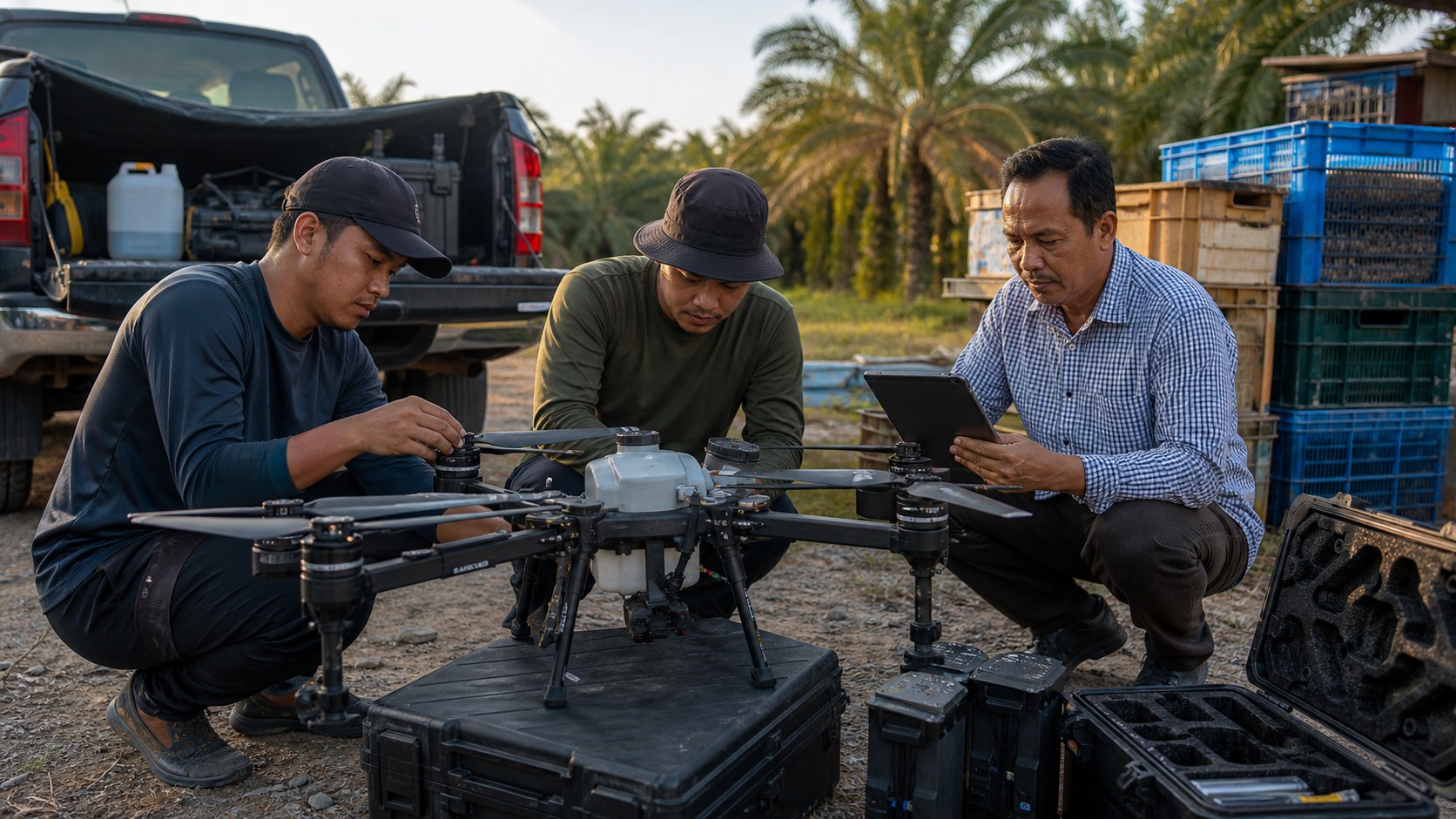
If your business touches agriculture, plantation services, site inspection, mapping, maintenance, or industrial support, Malaysia’s latest drone headline matters as a readiness signal, not just a technology story. BusinessToday reported on 27 June 2026 that the government wants faster development and adoption of the drone sector, closely tied to AI and digital transformation. For SMEs, the practical question is whether service demand, compliance expectations, and equipment decisions are about to move faster than usual.
That is the real business angle here. A stronger drone ecosystem does not only benefit a few large technology players. It can also affect smaller Malaysian operators that may be asked to support field deployment, data capture, maintenance, certification preparation, or agriculture-linked operations.
What Happened
According to BusinessToday, Prime Minister Datuk Seri Anwar Ibrahim said Malaysia must accelerate the development and adoption of new technologies, especially in the unmanned aerial vehicle (UAV) or drone sector, to strengthen the country’s global economic competitiveness.
The report said the drone industry is increasingly linked to AI and broader digital transformation, and described it as a driver of innovation, productivity, and economic growth. It also said the government is backing the sector beyond defence applications, including civilian use cases in agriculture and plantations.
BusinessToday further reported that ministries and agencies were directed to strengthen the surrounding ecosystem through regulatory frameworks, funding, testing, and certification processes. The report also highlighted a call for stronger collaboration between industry players, research institutions, and universities to build a more durable talent pipeline.
Why It Matters For Malaysian SMEs
This is important because drone adoption is rarely just about buying one aircraft. For smaller businesses, it usually creates a chain of operational questions:
- who will run, maintain, and store the equipment
- whether staff need training or outside technical support
- whether field jobs can now be done faster or with fewer repeat visits
- whether compliance, testing, or certification requirements will add cost before revenue catches up
That is why the story has topical SEO value for Malaysia business readers. It answers a practical search-intent question: if Malaysia is pushing drone and AI adoption harder, what should SMEs watch before they commit time, money, or equipment?
The strongest near-term implication is in civilian work. Agriculture and plantation use cases can create demand for spraying, inspection, mapping, and monitoring services. But the knock-on effect can also reach logistics, maintenance, training, software support, spare-part handling, and field-service businesses that sit around the drone workflow rather than inside the aircraft itself.
What Owners Should Watch Next
The first thing to watch is whether customer demand becomes repeatable enough to justify capacity. Interest in drone services can rise quickly, but a few enquiries are not the same as a stable work pipeline.
The second thing to watch is the cost of readiness. If regulation, testing, certification, and talent development are all being strengthened, SMEs should expect that execution quality may matter more than simply owning a device. Businesses that move too early without process discipline may find themselves paying for equipment before they have reliable utilisation.
The third thing to watch is supporting infrastructure. If your business expects drone-linked jobs to increase, review whether you have enough transport, power support, batteries, storage, insurance discipline, and technician time to keep service reliable. Related planning may overlap with broader equipment financing or loan financing needs if working cash is already tight.
Businesses that already serve field operations may also want to compare this development with wider Malaysia technology-demand signals such as AI-linked trade momentum, because the real opportunity often appears where new technology meets ordinary operational bottlenecks.
Where Ing Heng Fits
Ing Heng fits this story only at the planning edge. If drone-linked work starts pulling forward vehicle, equipment, battery, tool, or working-capital decisions, the sensible move is to check whether the business can respond without squeezing payroll and day-to-day operations.
The point is not to turn a technology policy signal into an advertorial. It is to recognise that new service demand often arrives before a smaller operator feels financially ready. A suitable financing structure may help preserve room while the business tests whether that demand is becoming durable.
News Source
- BusinessToday. “Govt Backs Drone Innovation Beyond Defence Applications, PM.” Published 27 June 2026. Source URL: https://www.businesstoday.com.my/2026/06/27/pm-anwar-calls-for-rapid-drone-and-ai-push-to-boost-malaysias-global-economy/
Questions Business Owners Ask
What did Malaysia say about the drone sector on 27 June 2026?
BusinessToday reported that Malaysia wants to accelerate drone-sector development and adoption, with government backing that goes beyond defence and includes civilian use cases such as agriculture and plantations.
Why does the story matter to SMEs instead of only large technology firms?
Because wider drone adoption can create demand for field services, maintenance, training, testing support, logistics, data work, and equipment readiness across smaller local businesses.
Did the report announce a specific subsidy or application window?
No. The report pointed to stronger regulatory, funding, testing, and certification support, but it did not publish a specific public application window or programme detail.
Related News

Malaysia Economy News
Malaysia's Petroleum Reserve Study Could Change How Fuel-Exposed SMEs Plan Risk
Malaysia Economy News
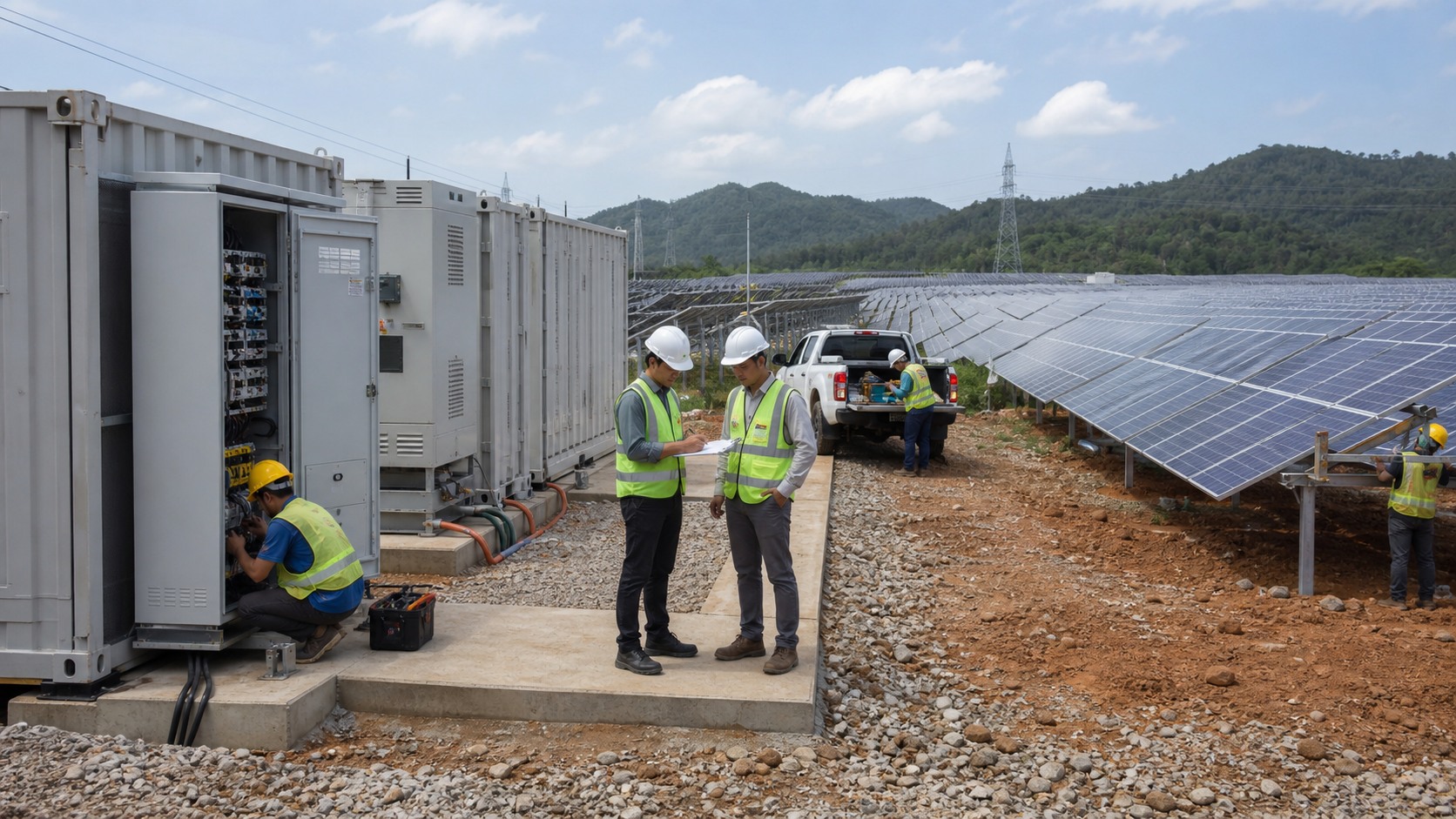
Malaysia's LSS6 Solar Push Could Pull Contractor And Supplier Timelines Forward
Malaysia Economy News