RM194m Foreign Inflow: What Transport and Logistics Operators Should Treat as a Signal
A reported RM194 million net foreign inflow into energy, technology, transport and logistics is a market signal, not a customer order. Malaysian operators should check demand before adding capacity.
A positive market headline can feel like a reason to expand. For a transport or logistics operator, it is not enough on its own to justify another vehicle, a larger warehouse commitment or more handling equipment.
BERNAMA reported on September 28, 2026 that the energy, technology, transport and logistics sectors attracted a combined net foreign inflow of RM194 million into Bursa Malaysia in the previous week, citing MBSB Investment Bank. The report describes market activity across sectors; it does not confirm demand, a contract or a payment schedule for any individual operator.
That distinction is where practical planning starts. Market attention may be useful context, but a capacity decision should still rest on confirmed work and the cost of delivering it reliably.
Treat the market move as context, not a route award
Foreign investment into listed sectors can point to where investors are focusing. It cannot tell a haulier how many trips a customer will book next month, whether a warehouse will receive more pallets or whether a new route will pay on time.
Before treating the report as an expansion signal, separate the broad observation from the facts inside your own operation. Look at signed work, repeat customer demand, quotation requests that have turned into orders and the service levels you have agreed to meet.
This avoids a common planning mistake: buying capacity for interest that has not yet become revenue.
Check the work that would support another asset
If demand appears to be improving, start with the part that can be verified.
- Service scope: Confirm what you are expected to move, store or handle, and when that work starts.
- Volume and timing: Ask for a realistic weekly range, peak periods and any route or loading constraints. One busy week may not support a long-term asset commitment.
- Asset fit: Compare the job with the vehicle, racking, handling equipment or other asset actually required. A larger asset is not always the answer to a scheduling problem.
- Cash timing: Match any deposit or instalment commitment to the payment cycle from the confirmed work, rather than to a general expectation that the market will improve.
For a small operator, the answer may be better dispatch planning or a short-term subcontract arrangement. For a growing warehouse or fleet business, it may be a clear case for additional equipment. The evidence should decide which path fits.
Look for repeatable demand before committing
The strongest signal is usually not a single market update. It is a pattern: the same customers renewing work, volume holding through normal peaks and quieter periods, and the operation showing where current capacity is genuinely limiting service.
Keep a simple record of declined jobs, delayed collections, hired-in vehicle costs and overtime caused by a capacity constraint. Those facts make it easier to judge whether an asset would solve a real bottleneck or simply add a fixed cost.
The BERNAMA report is relevant because transport and logistics are part of the market activity it describes. It should not be read as a promise that every operator will receive more work.
Where an equipment discussion fits
When a confirmed contract, route or handling requirement creates a specific asset need, Ing Heng’s equipment options can support a conversation based on the actual quotation, expected use and cash timing. Financing is most useful when it follows a real operating requirement, not a broad market headline.
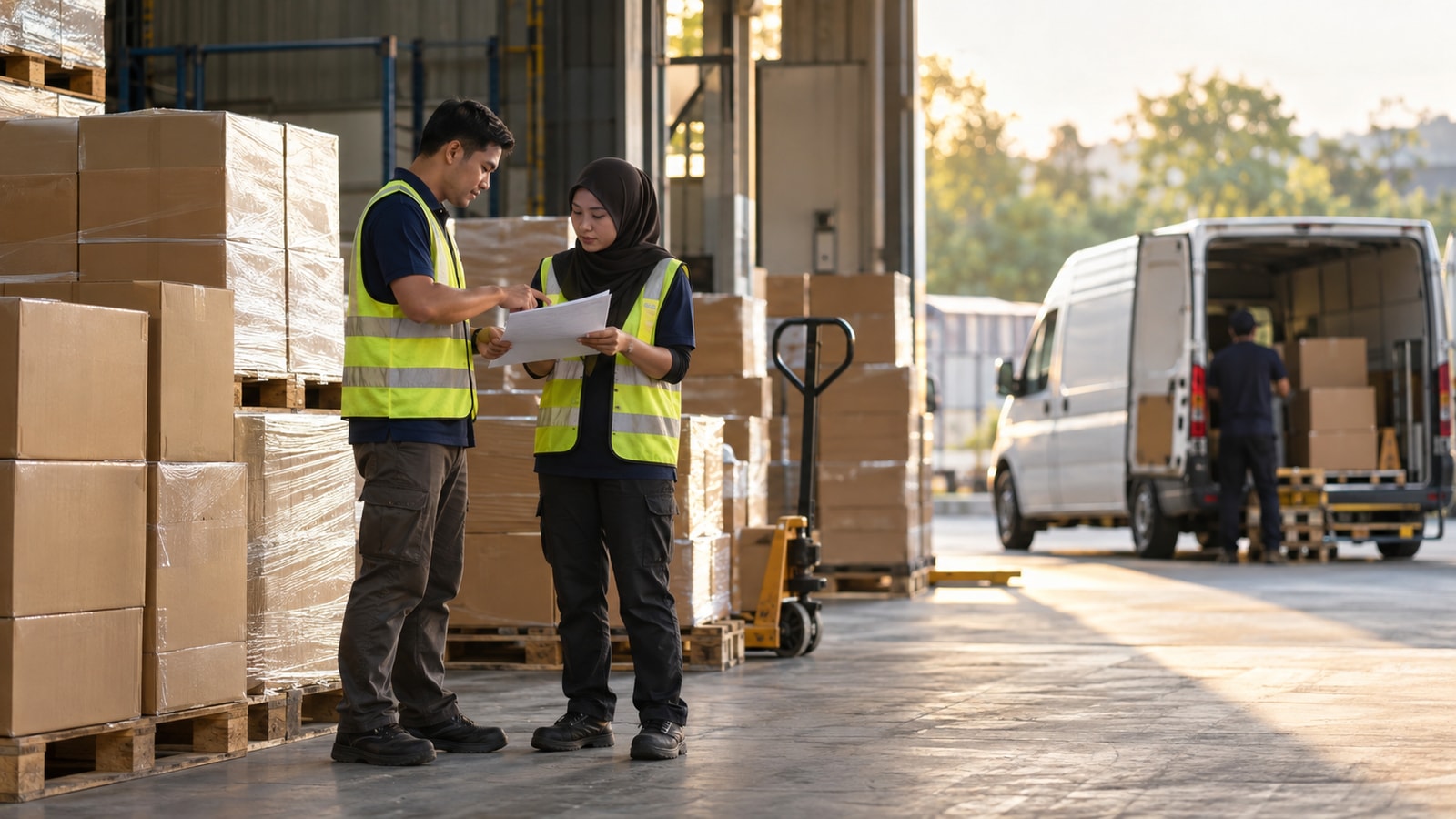
Source: BERNAMA, “Foreign Inflow Of RM194 Mln From Energy, Technology, Transport And Logistics Last Week”, published September 28, 2026. The operating checks are Ing Heng’s general interpretation. The image is illustrative.
Questions Business Owners Ask
What did BERNAMA report about foreign inflows on September 28, 2026?
BERNAMA reported that the energy, technology, transport and logistics sectors attracted a combined net foreign inflow of RM194 million into Bursa Malaysia in the previous week, citing MBSB Investment Bank.
Does a foreign inflow guarantee more work for a transport or logistics company?
No. A market inflow is not a customer order, route award or volume commitment for an individual operator. Confirm demand directly with customers before changing capacity.
What should an operator check before adding vehicles or equipment?
Check the confirmed service scope, expected volumes, route timing, asset quotation and cash timing. These operating facts are more useful than a broad market signal when deciding whether to add capacity.