Malaysia's Industrial Output Rose 8.2% In April. What SMEs Should Watch Next
BusinessToday reported on 12 June 2026 that Malaysia's industrial output rose 8.2% in April, with stronger manufacturing, mining, and electricity activity. For Malaysian SMEs, the useful question is what that says about order flow, stock timing, and equipment planning.

BusinessToday reported on 12 June 2026 that Malaysia’s Industrial Production Index rose 8.2% year-on-year in April, up sharply from 3.1% in March. The report said the improvement was supported by 8.3% manufacturing growth, a 6.8% rebound in mining, and 10.5% growth in electricity generation.
That is a strong headline, but the more useful question for Malaysian SMEs is not whether one data point looks positive. It is whether stronger output is turning into steadier orders, better delivery timing, and more confidence to plan stock, vehicles, or equipment without tying up too much cash.
What Happened In April
According to the report, export-oriented industries remained the main growth engine, with output helped by stronger electronics activity and firmer manufactured-goods exports. Domestic-oriented industries also improved, with better growth in motor vehicles, food manufacturing, fabricated metal products, and non-metallic mineral products.
That matters because it suggests the April improvement was not limited to a single niche. It showed up across both export-linked and local-facing activity.
The same report also noted a caution signal: industrial output still fell 3.4% month-on-month after a strong March. Manufacturing output alone declined 4.4% from March levels. In plain language, activity was better than a year earlier, but the pace was not moving in a straight line.
Why This Matters For Malaysian SMEs
For SMEs, stronger industrial output can be a useful sign that parts of the economy are still moving, especially for suppliers, workshops, contractors, transport operators, fabricators, warehouse businesses, and firms tied to factory demand.
But a stronger headline does not remove execution risk. When output improves while month-on-month movement stays uneven, business owners still need to watch:
- whether customer orders are becoming more regular or just temporarily stronger
- whether suppliers are quoting with shorter validity periods
- whether stock should be built early or kept lean
- whether older vehicles or machines can still support delivery and production without costly downtime
That is especially relevant for SMEs serving larger manufacturers. A factory upswing can create real opportunity, but smaller businesses usually feel it through practical changes such as tighter delivery windows, faster restocking, and more pressure to stay operational.
What To Watch Next
The next question is whether April’s stronger output continues into May and June, especially in manufacturing-linked segments that smaller businesses can actually feel on the ground.
If export-oriented demand stays firm, suppliers and service businesses may need to prepare for quicker replenishment cycles and more urgent customer requirements. If the monthly volatility continues, however, SMEs may still prefer flexible decisions over aggressive expansion.
Business owners should pay attention to three signals:
- repeat orders instead of one-off spikes
- supplier lead times for parts, stock, or imported inputs
- whether equipment reliability is becoming a bottleneck as workloads rise
Those signals matter more for planning than the headline number alone. Stronger industrial data is useful, but it only becomes meaningful for SMEs when it changes day-to-day operating decisions.
Where Ing Heng Fits
Ing Heng Credit fits at the planning stage, not the headline stage. When stronger demand starts appearing but cash still needs to be protected, some businesses review financing so they can replace a vehicle, add a machine, or support working operations without draining liquidity too early.
The sensible move is not to assume one month of stronger output guarantees smooth growth ahead. It is to decide whether the business can respond to demand while keeping enough room for uneven orders, supplier delays, or sudden repair needs.
News Source
- BusinessToday. “Malaysia’s Industrial Output Accelerates By 8.2% In April, Led By Mining, Manufacturing.” Published 12 June 2026. Source URL: https://www.businesstoday.com.my/2026/06/12/malaysias-industrial-output-accelerates-by-8-2-in-april-led-by-mining-manufacturing/
- Department of Statistics Malaysia. “Index of Industrial Production, April 2026.” Released 12 June 2026. Source URL: https://www.dosm.gov.my/portal-main/release-content/index-of-industrial-production-apr2026
Related News

Malaysia Economy News
Malaysia's Petroleum Reserve Study Could Change How Fuel-Exposed SMEs Plan Risk
Malaysia Economy News
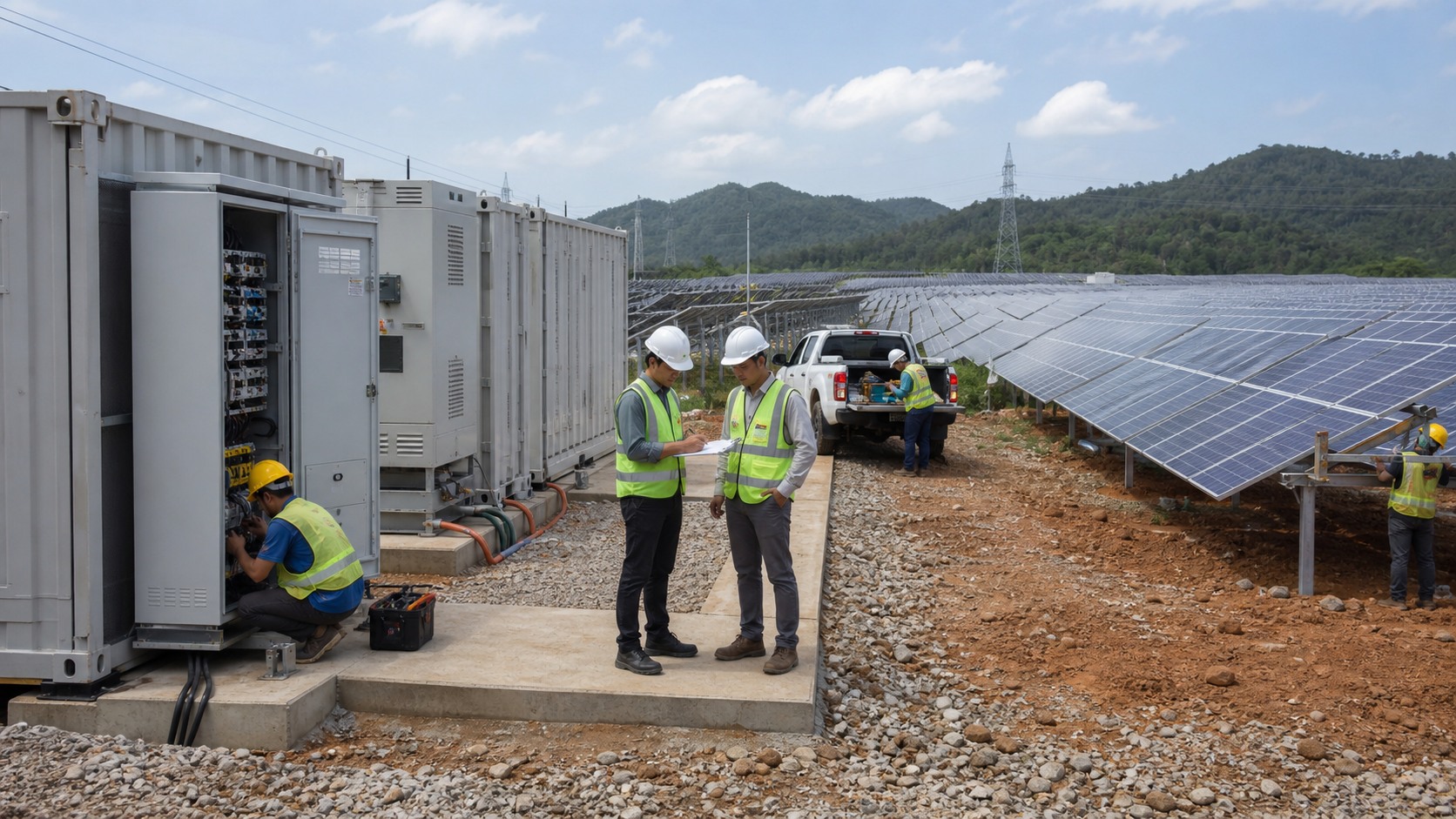
Malaysia's LSS6 Solar Push Could Pull Contractor And Supplier Timelines Forward

Malaysia Economy News