Malaysia's 83.7% Factory Utilisation Rate Is A Bottleneck Warning For SMEs
BusinessToday reported on August 19, 2026 that Malaysia's manufacturing capacity utilisation rose to 83.7% in the second quarter of 2026, with stronger readings in transport equipment, electronics, and domestic-oriented industries. For Malaysian SMEs, the practical question is whether tighter factory utilisation is starting to affect lead times, supplier timing, and expansion decisions.
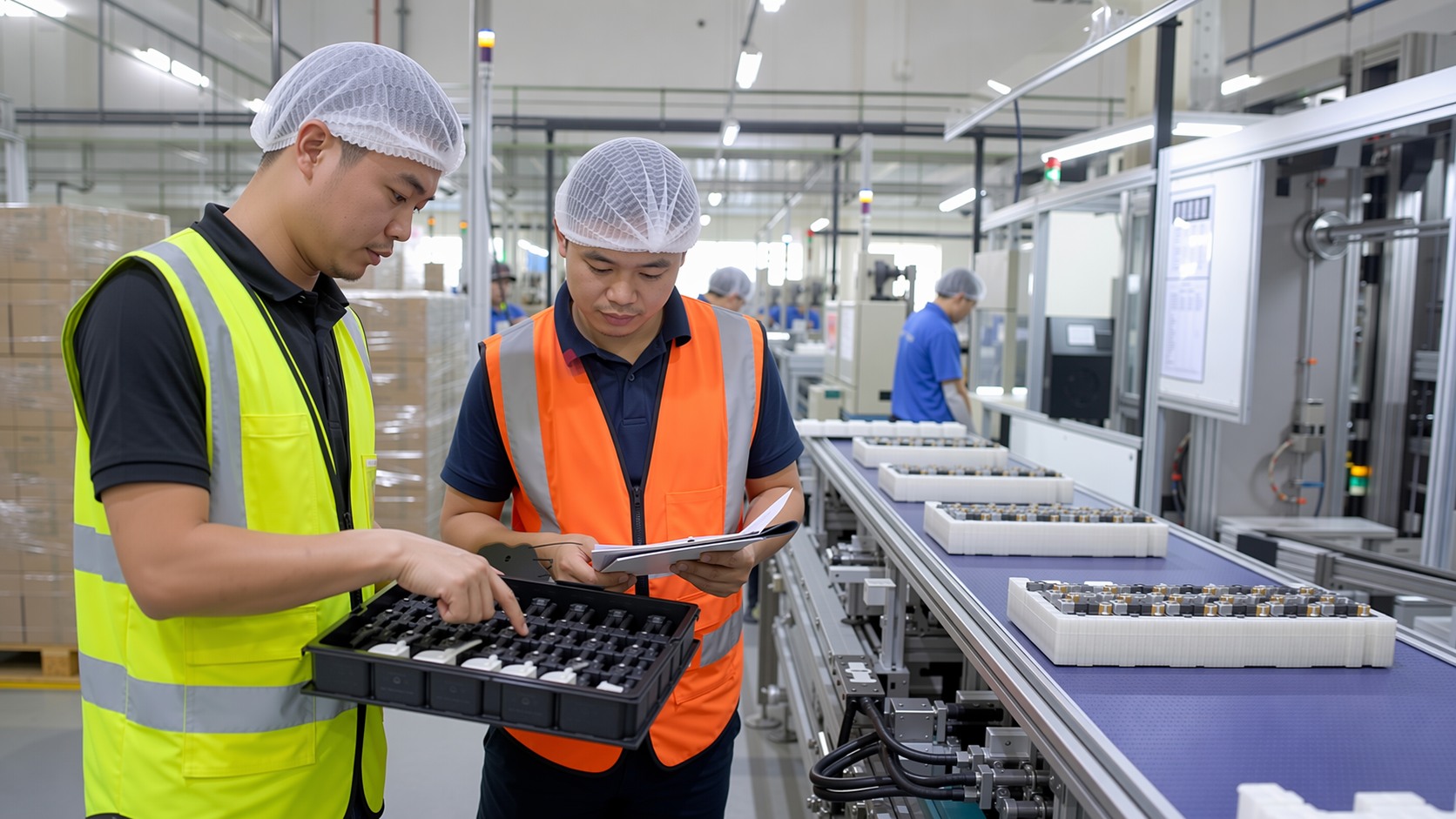
If your suppliers are taking longer to confirm slots, your own production line is staying busier, or delivery timing is getting less forgiving, this is the kind of number worth paying attention to before it turns into a cash-flow problem.
BusinessToday reported on August 19, 2026 that Malaysia’s manufacturing capacity utilisation rose to 83.7% in the second quarter of 2026, up from 82.5% a year earlier and 82.8% in the first quarter. The report, citing DOSM, said all manufacturing sub-sectors stayed above 80%, with stronger readings in transport equipment, electrical and electronics, and domestic-oriented industries.
For Malaysian SMEs, the practical issue is not whether 83.7% sounds healthy on paper. It is whether tighter factory utilisation is starting to show up in supplier timing, machinery strain, stock decisions, and the cost of waiting too long to fix a real bottleneck.
What Happened In 2Q 2026
According to BusinessToday, Malaysia’s manufacturing industry ran at 83.7% capacity utilisation in the second quarter. The rate improved month by month across the quarter, from 82.9% in April to 83.5% in May and 84.5% in June.
The strongest sub-sector reading came from transport equipment and other manufactures at 87.2%, followed by electrical and electronics products at 85.3%. Export-oriented industries improved to 82.9%, while domestic-oriented industries reached 85.2%.
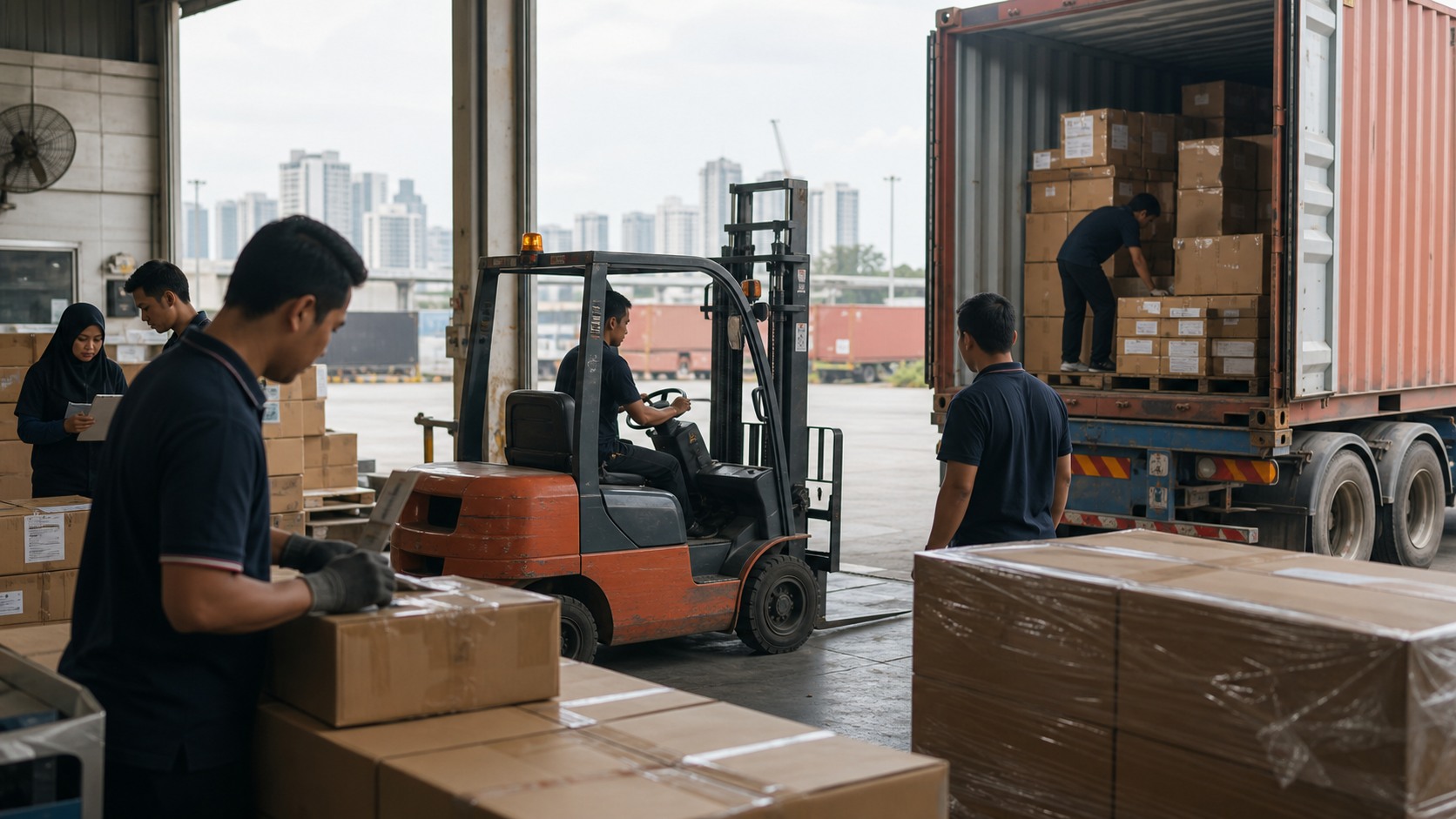
The same report said motor vehicles, trailers and semi-trailers hit 90.9% utilisation, which is the type of reading that can matter well beyond the factory itself. When capacity stays high in transport equipment, electronics, and related supply chains, smaller businesses can start feeling it through parts availability, delivery slots, maintenance downtime, and supplier response time.
Why This Matters For SMEs And Suppliers
The search-intent question behind this story is simple: what does higher factory utilisation mean if you are not a listed manufacturer, but still depend on manufacturing demand?
For many SMEs, higher utilisation does not show up first as a macro success story. It shows up as:
- longer waits for component supply or replenishment
- tighter delivery windows from distributors and factories
- less room for machinery breakdowns or maintenance delays
- more pressure to carry stock earlier than usual
- harder choices about when to add a vehicle, machine, or working-capital buffer
That matters to suppliers, workshop operators, logistics firms, wholesalers, contract manufacturers, spare-parts businesses, and service providers that sit around the main production chain. If a customer base is running with less slack, your own margin for delay usually gets smaller too.
The Important Detail: Capacity Is Up, But Constraints Are Still There
This is why the story is more useful than a broad growth headline. BusinessToday said DOSM still identified low demand, insufficient supply of materials, and machinery repair and maintenance as reasons some manufacturers were not fully using available capacity.
That means the environment is not simply “demand is strong, so expand.” It is more nuanced:
- some sectors are clearly running harder
- some businesses are still constrained by materials and machine uptime
- some parts of the market remain below the 80% threshold
For SMEs, that mix matters. If your business is already seeing tighter lead times or heavier asset usage, waiting until a machine fails or a supplier slot disappears can be more expensive than reviewing options early.
If you want a broader read on where demand has been building, it helps to compare this with our notes on Malaysia’s July factory orders, June manufacturing sales, and second-quarter GDP demand.
What Owners Should Watch Next
The useful question now is where the first bottleneck would appear if work keeps moving.
Check:
- whether confirmed orders are rising faster than your operating slack
- whether supplier lead times are stretching at the wrong point in the cycle
- whether one machine, vehicle, or repair issue could slow fulfilment
- whether inventory is being pulled forward before collections arrive
If those pressures are building, the issue is not only growth. It is whether the business can protect continuity without forcing a rushed purchase or draining cash needed elsewhere.
Where Ing Heng Fits
Ing Heng fits at the planning edge of this story. If higher factory activity is exposing a weak point in equipment, transport, or working-capital timing, the better move is to review financing before the bottleneck becomes urgent.
This is not a signal that every business should expand because one utilisation number improved. It is a reminder that when the wider production chain gets tighter, businesses with the least slack usually feel it first.
News Source
- BusinessToday. “Manufacturing Capacity Utilisation Rises To 83.7% In 2Q26, DOSM.” Published August 19, 2026. Source URL: https://www.businesstoday.com.my/2026/08/19/manufacturing-capacity-utilisation-rises-to-83-7-in-2q26-dosm/
- OpenDOSM. “Publications.” Accessed August 19, 2026. Source URL: https://open.dosm.gov.my/publications
Questions Business Owners Ask
What did BusinessToday report about Malaysia's manufacturing capacity in 2Q 2026?
BusinessToday reported on August 19, 2026 that Malaysia's manufacturing capacity utilisation rose to 83.7% in the second quarter of 2026, up from 82.5% a year earlier and 82.8% in the first quarter.
Which manufacturing areas were running the hardest?
The report said transport equipment and other manufactures recorded the highest utilisation at 87.2%, while electrical and electronics products reached 85.3%.
Does a higher utilisation rate automatically mean every SME should expand?
No. Higher utilisation can signal stronger activity, but businesses still need to check whether orders, payment timing, and supplier reliability are strong enough to support new commitments.
What constraints are still showing up even with higher factory utilisation?
BusinessToday said DOSM still flagged low demand, insufficient materials, and machinery repair and maintenance as key reasons some manufacturers are not fully using available capacity.