Malaysia's RM2.16 Trillion Trade Run Has A Timing Message For SMEs
BusinessToday reported on August 21, 2026 that Malaysia's total trade reached RM2.160 trillion in January to July 2026, with July exports jumping 38% to a record RM193.60 billion. For Malaysian SMEs, the practical question is whether stronger trade flow is starting to tighten stock, delivery, and cash-flow timing.
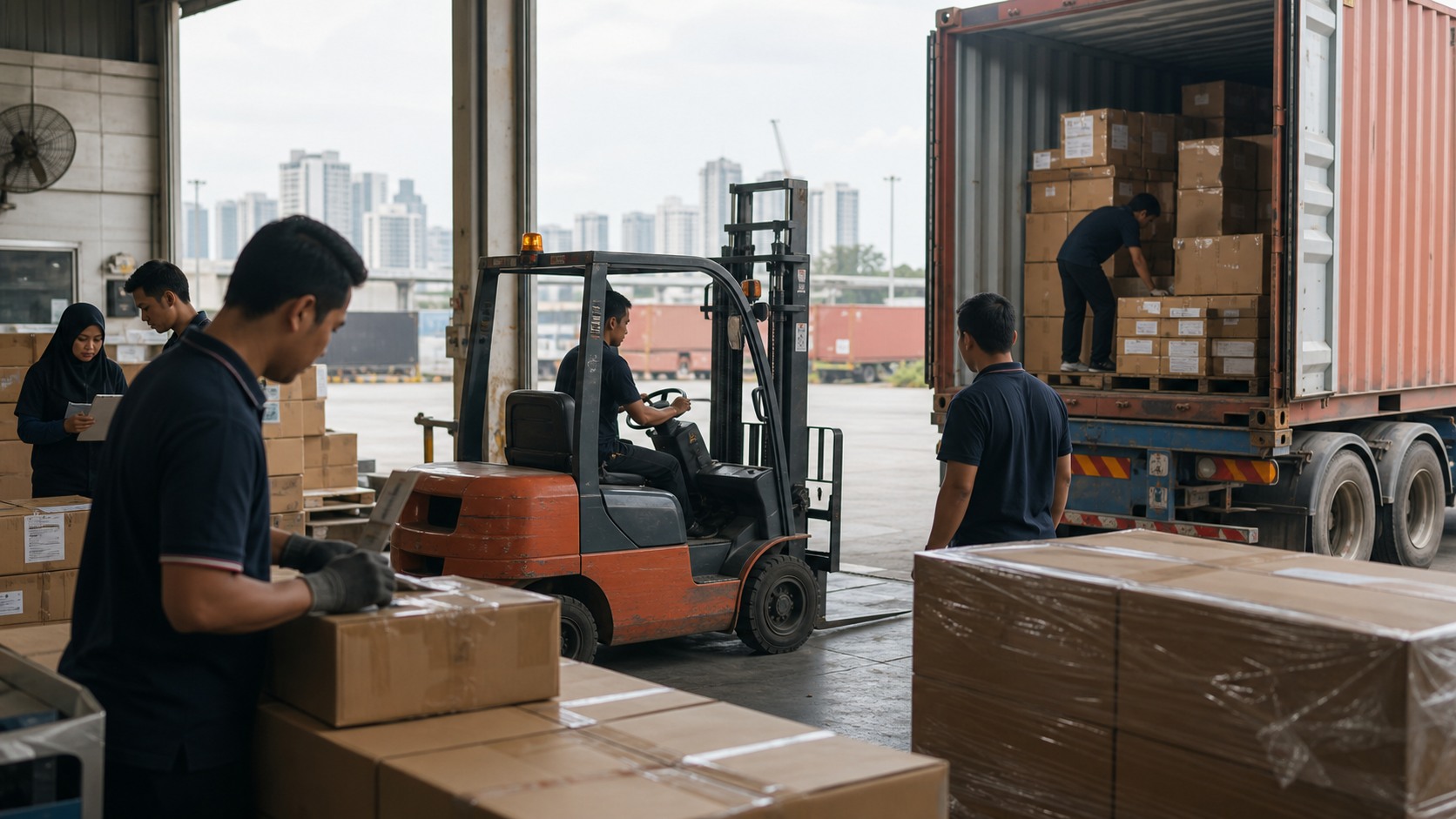
If your business touches imported stock, warehouse throughput, transport, packaging, spare parts, or customers tied to export activity, this is the part worth watching now: Malaysia’s trade engine is still accelerating, and that can tighten timing long before it shows up as a financing problem.
BusinessToday reported on August 21, 2026 that Malaysia’s total trade reached RM2.160 trillion from January to July 2026, while July alone set new monthly highs for trade, exports, and imports. For Malaysian SMEs, the useful question is not whether the national headline looks strong. It is whether stronger movement across ports, factories, warehouses, and delivery networks is starting to pull more cash into stock, logistics, and equipment before collections catch up.
What Happened In July
According to BusinessToday, July trade rose 37.3% year on year to RM364.74 billion, with exports increasing 38% to RM193.60 billion and imports up 36.4% to RM171.14 billion. Malaysia also recorded a RM22.46 billion trade surplus, extending the country’s surplus streak to 75 straight months since May 2020.
The same report said growth was broad-based across manufactured goods, agriculture goods, and mining goods. Electrical and electronic products stayed the main export driver, with monthly E&E exports increasing by RM32 billion from July 2025. Shipments to ASEAN, China, the United States, Taiwan, and the European Union all posted double-digit growth, while export values to ASEAN, China, and Taiwan reached record monthly highs.
On a cumulative basis, the source said exports rose 29.2% to RM1.165 trillion through the first seven months of 2026, while imports increased 19.8% to RM994.71 billion. The trade surplus more than doubled to RM170.50 billion.
Why This Matters For Malaysian Businesses
The search-intent question behind this story is simple: what does Malaysia’s RM2.16 trillion trade run mean if you are an SME trying to manage stock, delivery, and cash timing?
For many businesses, stronger trade flow does not first appear as a macro success story. It appears as:
- earlier stock commitments
- busier loading and fulfilment schedules
- tighter supplier lead times
- heavier use of forklifts, lorries, or site equipment
- more cash tied up before invoices are collected
This matters even if you are not exporting directly. A local distributor, packaging supplier, workshop, haulage operator, warehouse contractor, spare-parts seller, or retailer serving trade-linked customers can still feel the pressure when the wider supply chain starts moving faster.
The Practical Risk Is Timing, Not Demand Alone
The positive signal in the report is clear: demand stayed broad enough to lift both monthly and cumulative trade to record levels. The more important operating question is whether your business can absorb faster movement without stretching cash too far.
If more stock is arriving earlier, delivery schedules are getting tighter, or one ageing vehicle could interrupt fulfilment, stronger trade momentum can expose weak points quickly. A business can show rising sales and still feel squeezed if purchases, fuel, repairs, or payroll land well before customer payment.
That is why it helps to compare this story with our earlier explainers on Malaysia’s record first-half trade in 2026, Malaysia’s July factory-order improvement, and Malaysia’s 83.7% factory utilisation rate. Put together, they point to the same issue: stronger demand is only useful if your business can turn it into reliable fulfilment and collections.
What Owners Should Check Next
Before treating a strong trade headline as a reason to expand, check the parts of the business that usually tighten first:
- inventory turn and storage pressure
- supplier response time
- delivery-asset reliability
- machinery downtime risk
- the gap between cash outflows and customer collections
If one of those points is already under pressure, the problem may not be lack of demand. It may be timing.
That is where equipment financing, commercial vehicle financing, or loan financing can be worth reviewing against real operating needs instead of waiting for a forced purchase or last-minute cash crunch.
Where Ing Heng Fits
Ing Heng fits this story at the planning edge, not the trade-policy edge. If stronger stock movement or delivery demand is pushing your business toward an extra vehicle, replacement equipment, or a working-capital buffer, the better move is to understand your financing room before timing pressure becomes urgent.
The point is not to chase every record headline. It is to make sure faster trade flow does not turn into a preventable cash-flow squeeze.
News Source
- BusinessToday. “Malaysia’s Total Trade Crosses The RM2 Trillion Mark As Of July.” Published August 21, 2026. Source URL: https://www.businesstoday.com.my/2026/08/21/malaysias-total-trade-crosses-the-rm2-trillion-mark-as-of-july/
- MATRADE. “Trade Performance : January - July 2026 and July 2026.” Accessed August 25, 2026. Source URL: https://www.matrade.gov.my/en/about-matrade/media-release/media-release-2026/trade-performance-january-july-2026-and-july-2026
Questions Business Owners Ask
How big was Malaysia's trade through July 2026?
BusinessToday reported that Malaysia's total trade reached RM2.160 trillion from January to July 2026, up 24.7% year on year.
What happened in July 2026 alone?
The report said July trade rose 37.3% year on year to RM364.74 billion, with exports up 38% to RM193.60 billion and imports up 36.4% to RM171.14 billion.
Why should SMEs care if they do not export directly?
Stronger trade flow can still affect stock timing, supplier lead times, warehouse activity, vehicle usage, and working-capital pressure for businesses serving trade-linked customers.
What part of the export mix was driving growth?
BusinessToday said electrical and electronic products remained the key growth driver, while agriculture and mining goods also supported July's stronger export performance.