Malaysia's Grid Upgrade Push Is Getting Bigger. What Smaller Contractors Should Check Before Cash Flow Tightens
BusinessToday reported on July 4, 2026 that Bursa Malaysia could see more power-sector companies move to the Main Market as demand grows around data centres, solar, and transmission infrastructure. For Malaysian SMEs, the practical question is whether project capacity, supplier timing, and working capital are ready for a more demanding grid-upgrade cycle.
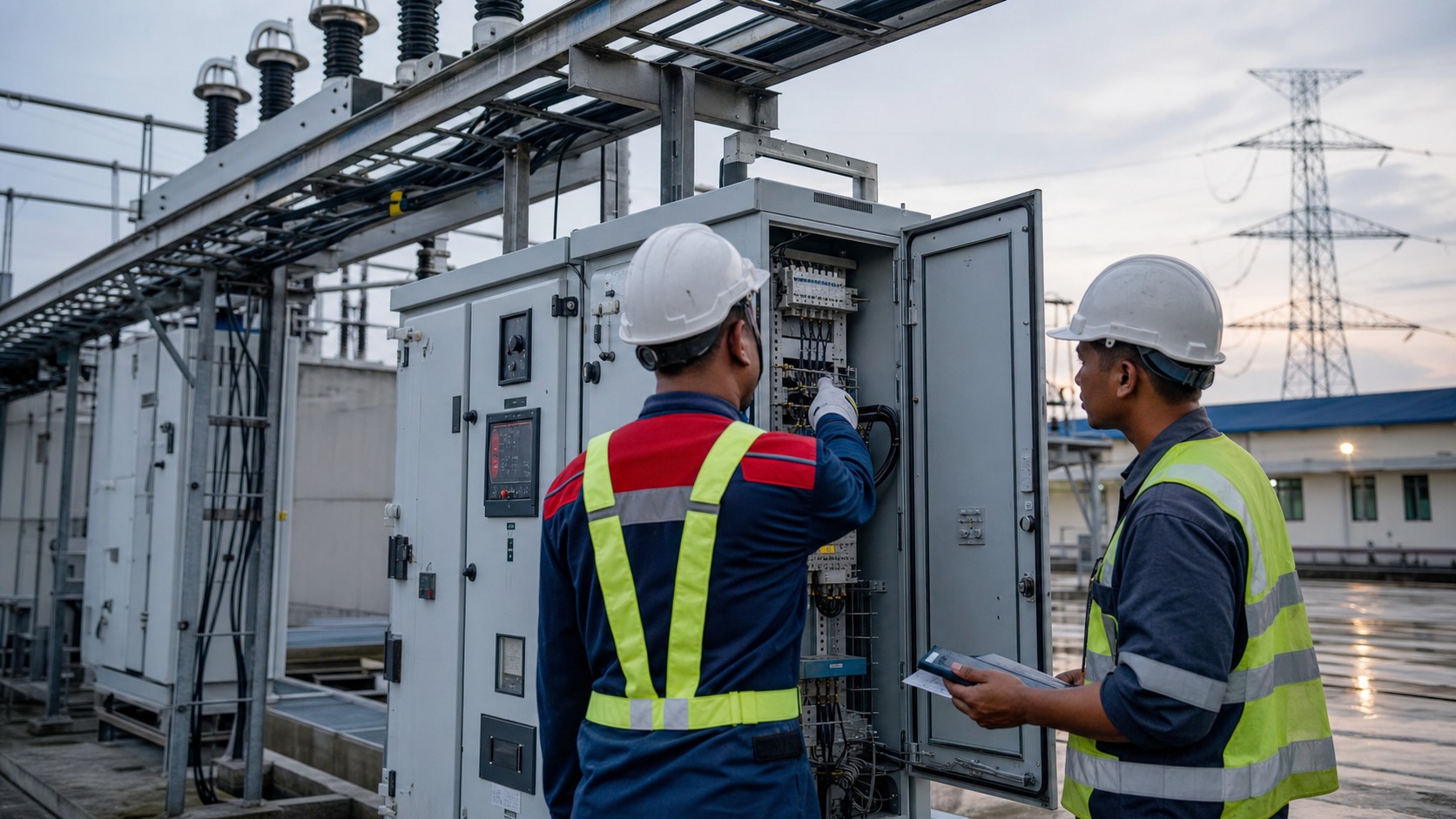
If your business supports industrial sites, electrical works, transport, installation teams, or project supply chains, this is not just a market-listing story. It is a signal that Malaysia’s power-infrastructure cycle may be getting larger, more visible, and harder to serve casually.
BusinessToday reported on July 4, 2026 that Bursa Malaysia may see more power-sector companies move from the ACE Market to the Main Market as demand strengthens around data centres, solar deployment, and transmission-related infrastructure.
That matters because bigger power projects do not only reward listed companies. They can also put earlier pressure on the smaller firms that handle site access, cabling support, transport, testing, stockholding, and day-to-day execution.
What Happened
According to BusinessToday, analysts expect more power-sector companies to migrate to Bursa Malaysia’s Main Market as the sector benefits from larger long-term demand drivers.
The report pointed to several demand themes behind that view:
- grid and transmission investment
- solar and renewable-energy work
- electricity demand linked to data-centre expansion
BusinessToday framed the story around capital-market migration, but the more practical business takeaway is that these themes usually reflect a deeper project pipeline underneath. When companies become large enough to target a Main Market listing, smaller contractors and suppliers often start seeing tougher execution standards, larger order sizes, and tighter timing expectations around them.
Why This Matters For Malaysian SMEs
For SMEs, the opportunity is not automatically in the stock-market angle. It is in the operational spillover.
If Malaysia’s power and transmission cycle keeps expanding, smaller firms may face pressure in several ordinary ways:
- more demand for specialized tools, service vehicles, lifting support, or installation equipment
- larger up-front stock commitments for parts, cables, switchgear support items, or safety materials
- stricter delivery timing from principal contractors
- longer cash-conversion gaps when work starts before payments fully catch up
This is especially relevant for businesses that serve industrial electrical work, project logistics, utility maintenance, light fabrication, equipment rental, or site support. A stronger infrastructure pipeline can create revenue opportunities, but it can also expose weak working-capital discipline very quickly.
What Owners Should Check Before Expanding
The headline should not push every business into buying assets immediately. It should push owners to check whether demand is becoming concrete enough to justify earlier preparation.
Useful questions include:
- are enquiries turning into repeatable project work or still staying at quotation stage
- do you need more transport, testing gear, or installation support equipment to keep up
- are supplier deposits or stock purchases starting to arrive earlier than customer payments
- can your team manage bigger contract timing without disrupting existing jobs
Businesses that support project execution may also need to compare whether a commercial vehicle financing plan or an equipment financing solution is the cleaner way to add capacity without using up too much cash too early.
The aim is not to chase every infrastructure headline. It is to stay prepared if a stronger power-project cycle starts raising the cost of being under-equipped or underfunded.
What To Watch Next
The next signals are likely to come from contract visibility rather than listing headlines alone.
Owners should watch for:
- new award announcements tied to transmission, substations, solar, or data-centre power support
- signs that suppliers are quoting longer lead times or asking for firmer purchase commitments
- whether contractor requirements are moving toward larger balance sheets, stronger safety readiness, or faster mobilization
If those signals build, the real challenge for many SMEs will not be demand. It will be whether the business can fund the gap between project opportunity and project execution.
Where Ing Heng Fits
Ing Heng fits on the planning side of this story. If project-linked demand is starting to push you toward more vehicles, tools, machinery, or support equipment, the useful move is to review financing options before supplier timing or site deadlines become urgent.
That can help preserve room for wages, stock, and ordinary operating costs while you decide whether the next stage of demand is solid enough to support expansion.
News Source
- BusinessToday. “Bursa May See More Power Sector Players Migrating To Main Market.” Published July 4, 2026. Source URL: https://www.businesstoday.com.my/2026/07/04/bursa-may-see-more-power-sector-players-migrating-to-main-market/
Questions Business Owners Ask
What did BusinessToday report about Malaysia's power sector on July 4, 2026?
BusinessToday reported that Bursa Malaysia could see more power-sector companies moving from the ACE Market to the Main Market as sector demand expands around transmission, solar, and data-centre-linked infrastructure.
Why does a Main Market migration story matter to SMEs?
Because it suggests a larger and more mature project pipeline behind the listed companies, which can affect subcontracting opportunities, supplier timing, staffing pressure, and working-capital needs for smaller businesses.
Which business areas could feel the effect first?
Electrical contractors, cable and component suppliers, industrial service firms, transport operators, and SMEs supporting site work or installation schedules could feel the pressure first if larger projects move faster.
Related News

Malaysia Economy News
Malaysia's Petroleum Reserve Study Could Change How Fuel-Exposed SMEs Plan Risk
Malaysia Economy News
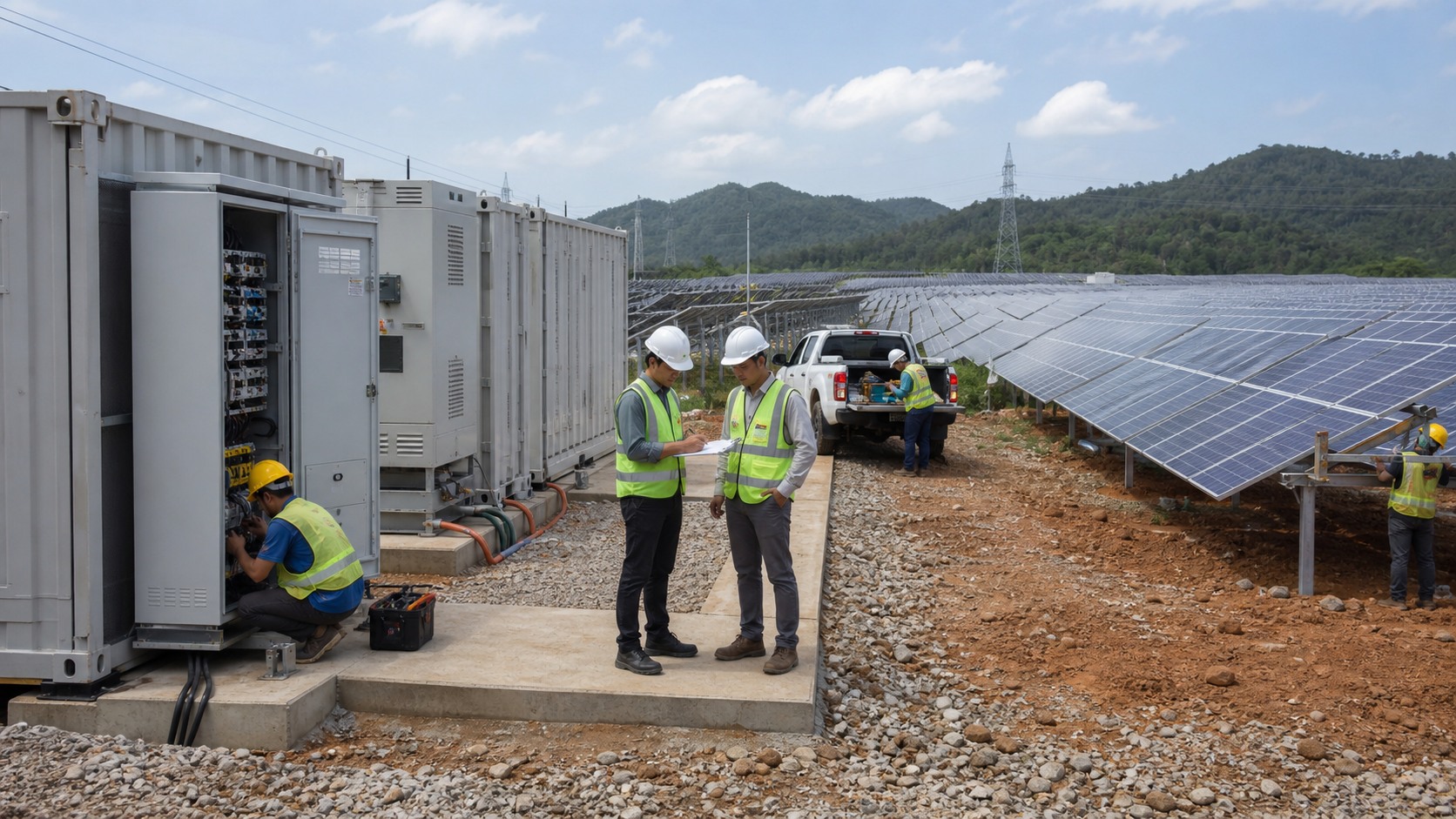
Malaysia's LSS6 Solar Push Could Pull Contractor And Supplier Timelines Forward

Malaysia Economy News