Malaysia's Services Trade Surplus Is Back After 14 Years. Why SMEs Should Watch Export Demand Now
BusinessToday reported on 25 June 2026 that Malaysia's services trade returned to a RM5.3 billion surplus in 2025, the first surplus in 14 years. For Malaysian SMEs, the useful question is what stronger travel, logistics, and digital-service demand could mean for hiring, capacity, and cash-flow planning.
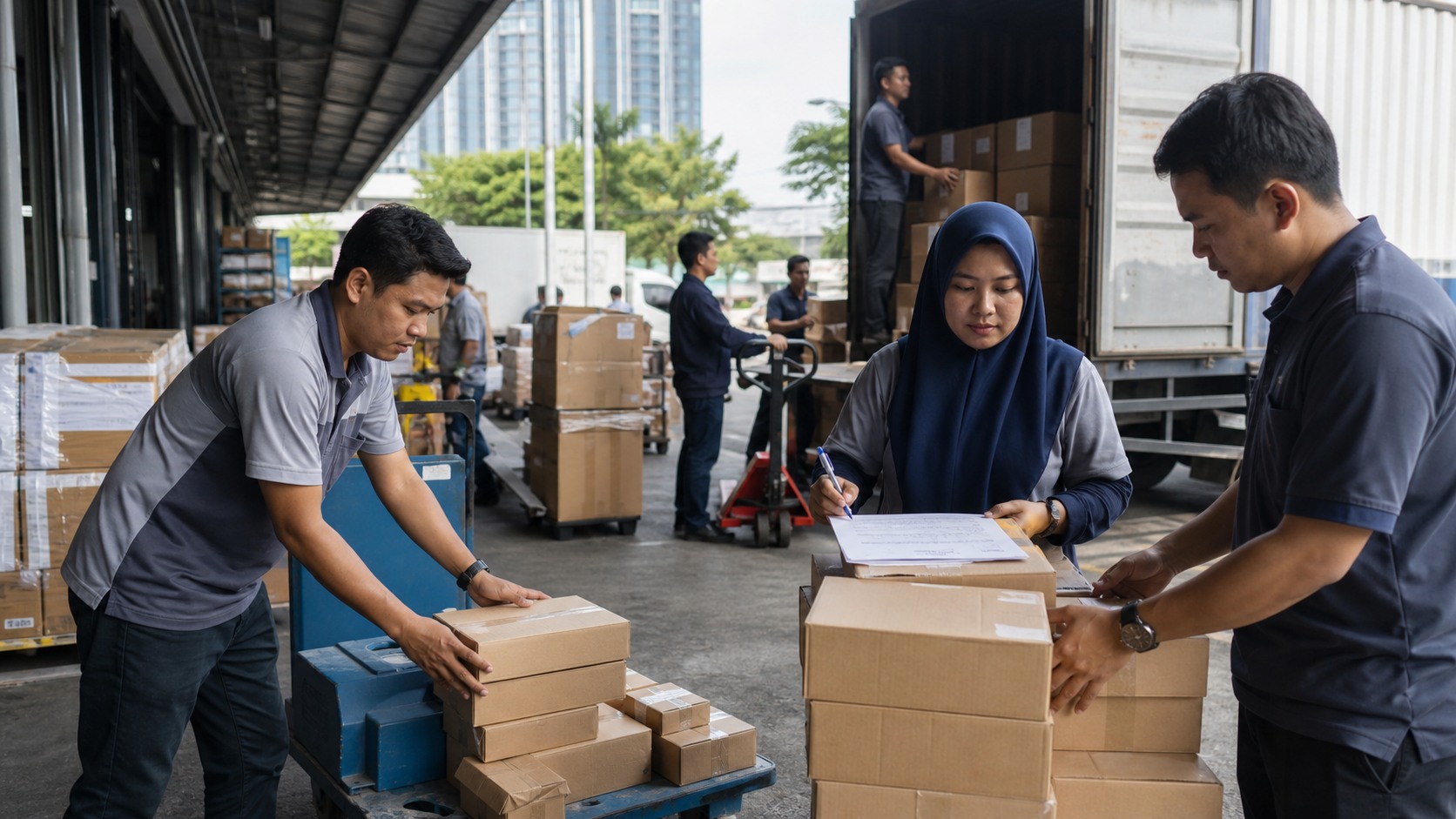
If your business sits anywhere near travel, freight, technical services, customer support, digital work, or export-linked operations, this is the part worth watching: Malaysia is no longer just selling more goods abroad. It is also earning more from services again. BusinessToday reported on 25 June 2026 that Malaysia’s services trade returned to a RM5.3 billion surplus in 2025, the first surplus in 14 years.
That may sound like a macro headline. But for SMEs, the practical issue is whether stronger service demand is starting to affect staffing, delivery pace, customer response time, and the timing of equipment or working-capital decisions.
What Happened
According to the BusinessToday report, the Department of Statistics Malaysia said the stronger 2025 performance reflected Malaysia’s improving position in the global services sector, helped by cross-border activity, digital-related services, and regional economic linkages.
BusinessToday also reported that services exports grew 15.6% to RM277.9 billion in 2025, up from RM240.5 billion a year earlier. In plain terms, Malaysia sold enough services overseas to move the sector back into surplus instead of remaining in deficit.
That matters because services trade is broader than many owners assume. It is not just about airlines or tourism. It can include logistics support, technical and professional services, digital work, maintenance-linked service activity, business travel, and other export-facing commercial functions.
Why It Matters For Malaysian Businesses
A return to surplus does not mean every service business will feel instant growth. But it does suggest external demand has become firm enough to improve the national picture in a category that had stayed under pressure for years.
For SMEs, the more useful question is where that stronger demand may show up on the ground:
- more movement through logistics, warehousing, and transport support
- faster hiring pressure in service-heavy roles
- tighter turnaround expectations from overseas-linked customers
- more need for reliable vehicles, tools, devices, or site equipment
- more cash tied up before invoices are collected
This is why a services-trade story matters even outside traditional export firms. A workshop serving exporters, a transport operator handling cross-border loads, a supplier supporting hospitality demand, or a business selling technical services can all feel the effect indirectly.
What Owners Should Watch Next
First, watch whether stronger services demand turns into repeat volume instead of one-off recovery noise. A surplus headline is useful, but operational planning should still be based on actual order flow, route demand, utilisation rates, and customer payment speed.
Second, check where your business may be underbuilt for steadier service demand. That could mean an ageing van, overloaded delivery schedule, under-capacity warehouse support, or not enough room to handle more service calls without slowing response times.
Third, separate revenue growth from cash-flow comfort. Businesses often look healthier on paper before they feel easier to run day to day. More activity can still create pressure when payroll, maintenance, stock support, or fleet use rises ahead of collections.
That is where it helps to review whether equipment financing or commercial vehicle financing still fits the business if service demand keeps building faster than internal capacity.
Where Ing Heng Fits
Ing Heng fits at the capacity-planning edge of this story, not the macro debate. If stronger service-linked demand is forcing earlier replacement, extra delivery capacity, or a more careful working-capital plan, the sensible move is to check the numbers before the squeeze becomes urgent.
The point is not to treat a positive trade headline as a reason to expand blindly. It is to understand whether the business can support more movement with current cash flow, or whether structured financing helps protect room for payroll, suppliers, and normal operating needs while demand improves.
News Source
- BusinessToday. “Service Trade Surplus Returns After 14 Years, Reaches RM5.3 Billion In 2025, DOSM Report Shows.” Published 25 June 2026. Source URL: https://www.businesstoday.com.my/2026/06/25/service-trade-surplus-returns-after-14-years-reaches-rm5-3-billion-in-2025-dosm-report-shows/
Questions Business Owners Ask
What does a services trade surplus mean in simple terms?
It means Malaysia earned more from selling services abroad than it spent on buying services from overseas during the year.
Why does the 2025 services surplus matter to SMEs?
It can signal firmer demand across areas such as travel, logistics, and digital-related services, which may affect hiring, equipment use, delivery capacity, and working-capital timing.
What figures did BusinessToday report for Malaysia's 2025 services trade?
BusinessToday reported that Malaysia's services trade returned to a RM5.3 billion surplus in 2025 and that services exports rose 15.6% to RM277.9 billion from RM240.5 billion a year earlier.
Related News

Malaysia Economy News
Malaysia's Petroleum Reserve Study Could Change How Fuel-Exposed SMEs Plan Risk

Malaysia Economy News
Malaysia's LSS6 Solar Push Could Pull Contractor And Supplier Timelines Forward
Malaysia Economy News