Penang's RM242 Billion Manufacturing Run Is Raising The Infrastructure Question. What SMEs Should Watch
BusinessToday reported on July 11, 2026 that Penang has secured more than RM242 billion in approved manufacturing investments since 2018 while pushing for fairer federal development funding. For Malaysian SMEs, the practical issue is whether stronger investment momentum will pull forward logistics, supplier, and capacity-planning decisions.
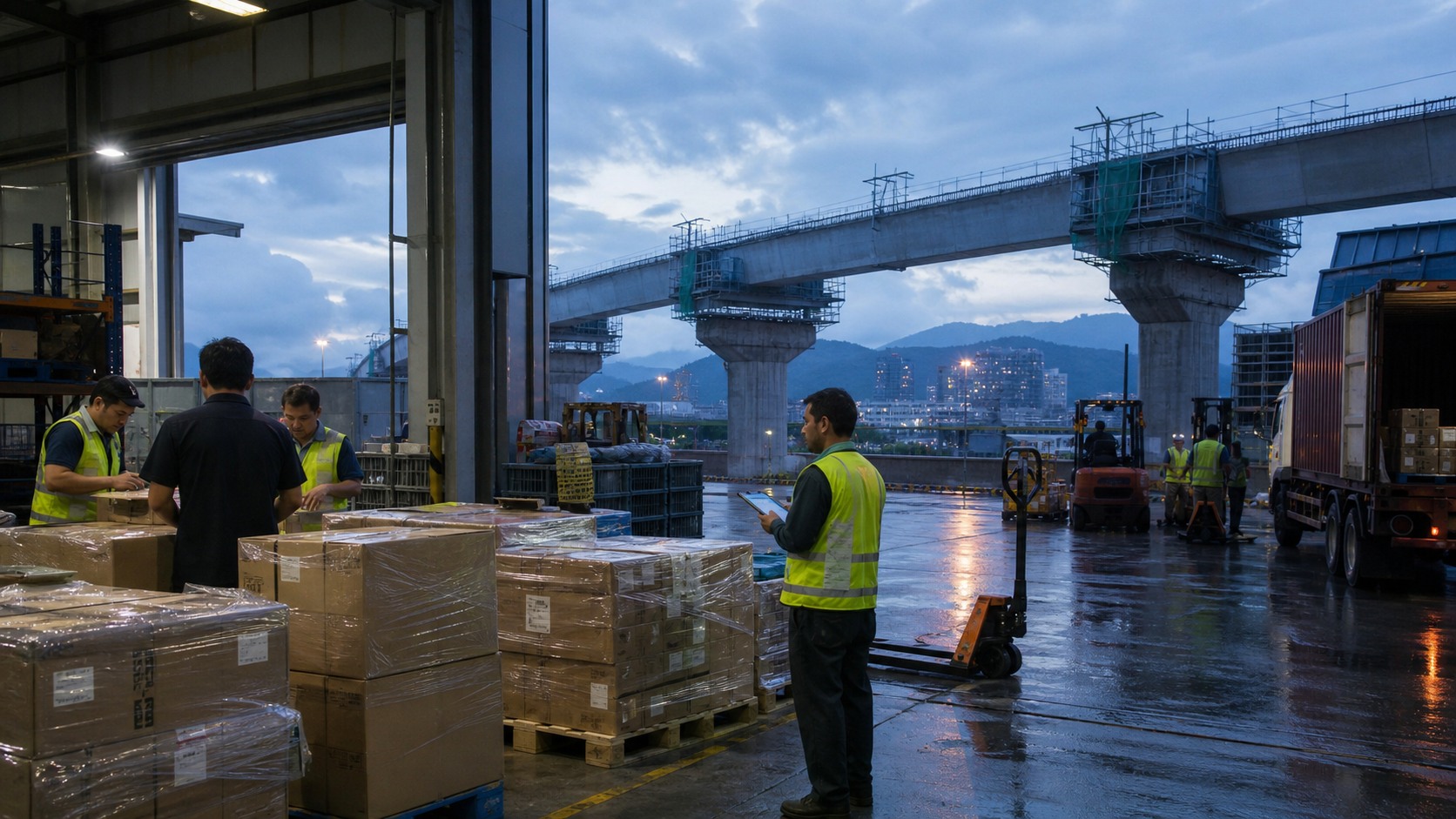
If your business depends on factory orders, supplier schedules, warehouse movement, or industrial support work, a big investment headline matters less for bragging rights than for what it does to timing. The question is whether stronger manufacturing momentum will force you to prepare earlier than usual.
BusinessToday reported on July 11, 2026 that Penang has secured RM242.34 billion in approved manufacturing investments between 2018 and the first quarter of 2026. The same report said the state brought in RM4.9 billion in approved manufacturing investments across 99 projects in 1Q 2026 alone, while pressing for a fairer share of federal development funding.
For Malaysian SMEs, the useful question is not whether Penang deserves more allocation. It is whether stronger manufacturing concentration in the state could accelerate demand for logistics, supplier readiness, transport, staffing, and cash-flow planning.
What Happened
The reported development has two parts.
First, Penang says its approved manufacturing investment total since 2018 has climbed far above the prior decade’s level. BusinessToday said the state recorded RM242.34 billion from 2018 to 1Q 2026, compared with RM98.32 billion during 2008 to 2017.
Second, the state leadership argued that this contribution should be matched by a more balanced federal development allocation so infrastructure projects and public facilities can keep pace with economic growth.
That matters because manufacturing expansion is rarely just a headline about factories. Once investment builds, pressure usually spreads to the smaller businesses around it:
- suppliers handling components or packaging
- transport and delivery operators
- warehouse and loading support teams
- contractors, technicians, and industrial service providers
Why It Matters For Malaysian SMEs
SMEs usually feel investment growth through operating pressure before they feel it through revenue.
If new projects, supplier clusters, or export-linked activity keep building in Penang, smaller firms may need to make earlier decisions on stockholding, vehicle reliability, equipment uptime, and labour scheduling. That can be positive, but it can also create a familiar squeeze: you may need to spend before collections arrive.
The infrastructure angle matters for the same reason. If roads, industrial support services, public facilities, or logistics links lag behind investment growth, smaller operators often absorb the friction first through slower turnaround, higher transport costs, or tighter delivery windows.
For businesses serving Penang’s industrial corridor, the practical watchpoints are straightforward:
- whether customers are asking for faster turnaround or higher consistency
- whether supplier lead times are lengthening as activity increases
- whether one extra vehicle, forklift, or machine would remove a bottleneck
- whether payroll, deposits, or stock purchases are moving ahead of customer payments
If those signals are showing up, this stops being a macro story and becomes a capacity-planning story.
What To Watch Next
The next signals are likely to be operational rather than political.
Watch for:
- follow-through investment announcements tied to actual production activity
- growing demand in transport, warehousing, fabrication, maintenance, or industrial support
- more visible infrastructure discussions around industrial access and public-service capacity
- supplier and service businesses taking on earlier procurement or staffing commitments
This is also where planning discipline matters. If your business may need equipment financing, commercial vehicle financing, or working capital support, the better time to compare options is before delivery schedules and supplier payments start colliding.
Where Ing Heng Fits
Ing Heng fits when a business needs to respond to rising industrial demand without using too much cash too early.
This article is a market explainer first, not a financing pitch. The useful takeaway is simple: when a state like Penang keeps pulling in manufacturing investment, SMEs should watch for timing pressure around stock, transport, equipment, and payroll well before the headline shows up in their bank balance.
News Source
- BusinessToday. “Penang Calls For Fairer Federal Development Allocation As Manufacturing Investments Top RM242 Billion.” Published July 11, 2026. Source URL: https://www.businesstoday.com.my/2026/07/11/penang-calls-for-fairer-federal-development-allocation-as-manufacturing-investments-top-rm242-billion/
Questions Business Owners Ask
What did BusinessToday report on July 11, 2026?
BusinessToday reported that Penang recorded RM242.34 billion in approved manufacturing investments from 2018 to the first quarter of 2026 and is seeking fairer federal development allocations.
How much manufacturing investment did Penang secure in the first quarter of 2026?
The report said Penang secured RM4.9 billion in approved manufacturing investments across 99 projects in the first quarter of 2026.
Why does this matter to SMEs?
Because stronger manufacturing growth often creates pressure first on suppliers, logistics firms, service contractors, and smaller operators that need to respond faster without overstretching cash flow.
Related News

Malaysia Economy News
Malaysia's Petroleum Reserve Study Could Change How Fuel-Exposed SMEs Plan Risk
Malaysia Economy News
Malaysia's LSS6 Solar Push Could Pull Contractor And Supplier Timelines Forward
Malaysia Economy News