Selangor Wants A RM500 Billion Economy. What Businesses Should Check Before Demand Outruns Capacity
BusinessToday reported on July 2, 2026 that Selangor's economy reached RM460.1 billion in 2025 and is now targeting the RM500 billion mark. For Malaysian businesses, the practical question is whether hiring, stock, logistics, and production capacity are ready if growth in Selangor keeps running ahead of the national pace.
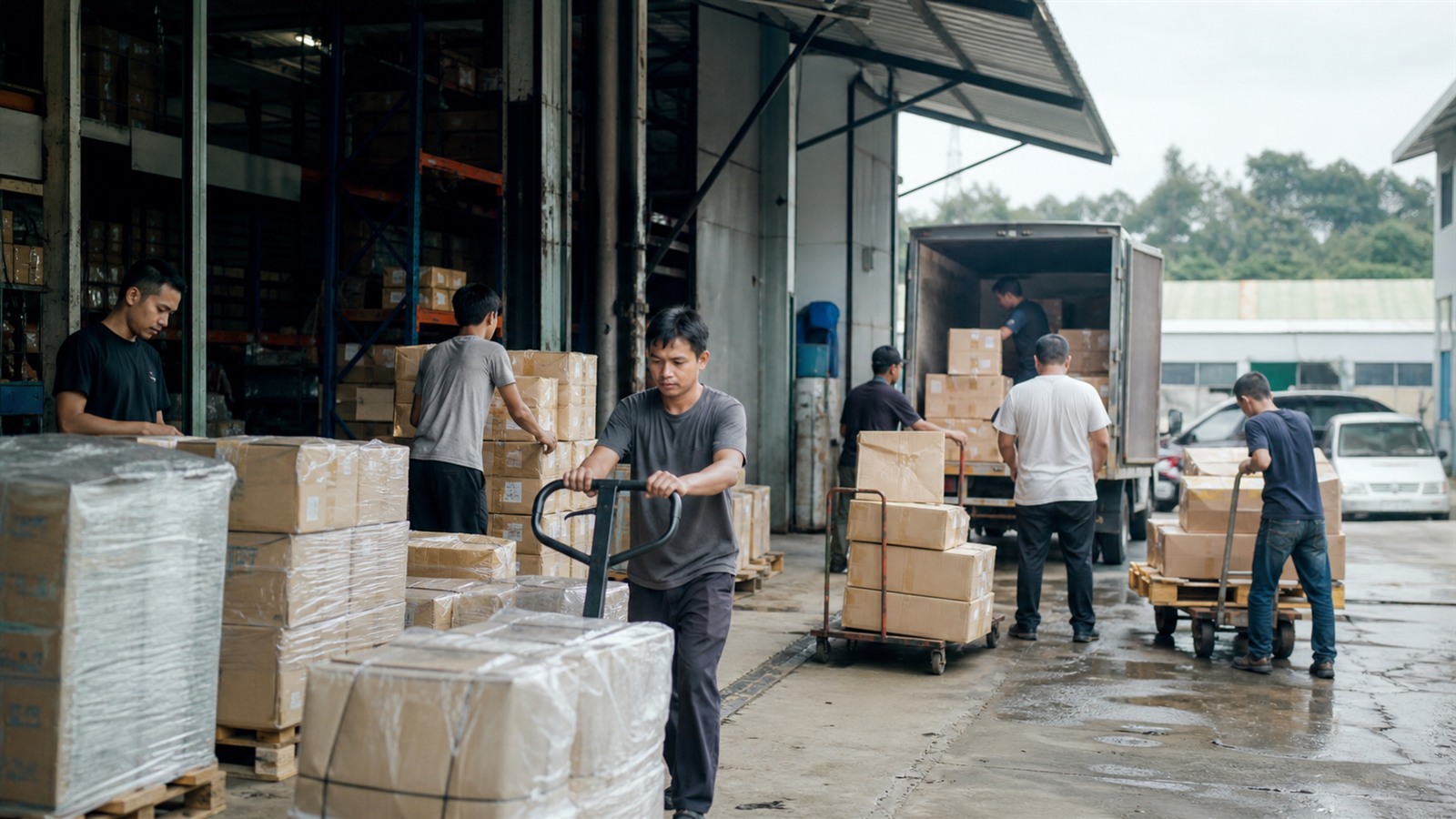
If your business depends on Klang Valley demand, factory activity, project work, or supplier movement through Selangor, this is not just a state-economy headline. It is a capacity-planning signal.
BusinessToday reported on July 2, 2026 that Selangor’s economy reached RM460.1 billion in 2025 and the state is now targeting the next milestone: becoming Malaysia’s first RM500 billion state economy.
That matters because stronger growth usually shows up in ordinary business pressure first. You feel it through tighter delivery timing, harder staffing decisions, fuller order books, higher stock needs, and more demand for vehicles, machinery, or working space.
What Happened
According to BusinessToday, Selangor’s economy expanded by RM28 billion in 2025, beating the RM455.3 billion forecast from Universiti Putra Malaysia and the Selangor Research Institute.
The report said Selangor grew 6.3% in 2025, ahead of Malaysia’s 5.2% national growth rate. That lifted the state’s share of Malaysia’s gross domestic product to 26.5%, up from 26.2% a year earlier.
BusinessToday also reported that the biggest contributions came from:
- services, which expanded by RM15.9 billion
- manufacturing, which grew by RM5.3 billion
- construction, which added RM3.7 billion
Those sector weights matter because they touch many SME decisions directly. A growth story led by services, manufacturing, and construction is not only about large corporates. It can affect transport demand, stock movement, supplier timing, subcontract work, equipment use, and payroll planning across smaller firms too.
Why This Matters For Businesses
Selangor already carries a large share of Malaysia’s real operating economy. BusinessToday said the state now accounts for 35.9% of national construction activity, 32.8% of manufacturing output, and 27.1% of services activity.
For business owners, that means Selangor’s growth can shape more than local sentiment. It can change how quickly orders move, how often stock needs topping up, and how fast capacity gets tested.
If you supply contractors, serve industrial customers, run retail or service outlets, or depend on commercial transport around the Klang Valley, the practical question is not whether RM500 billion sounds impressive. It is whether your business is ready if more work starts arriving before your operations are fully prepared.
What To Watch Before Expanding
The headline does not automatically mean every business should scale up immediately. It does mean owners should check whether demand is becoming steady enough to justify new commitments.
The useful checks are usually simple:
- whether sales growth is recurring or still uneven
- whether staff, delivery, or production bottlenecks are starting to slow response time
- whether inventory needs are rising faster than customer payments
- whether your current vehicles, machinery, or workspace are limiting output
Businesses that expect more project movement or supplier demand in Selangor may also need to think about whether a commercial vehicle financing plan or equipment financing solution is better than using up available cash too early.
The point is not to chase a big number. It is to avoid being caught underprepared if a faster state economy begins pulling harder on your labour, stock, transport, or equipment.
What To Watch Next
BusinessToday said the state government is linking this next target to stronger productivity across the public sector, private companies, and the workforce.
That means the next signals to watch are not only headline GDP numbers. Owners should pay attention to whether project flow, manufacturing activity, service demand, and cost-of-living pressure start changing customer behaviour and supplier timelines over the next few quarters.
If demand improves but cash conversion stays slow, growth can still feel tight on the ground. That is usually when asset timing, stock planning, and financing structure start mattering more than optimistic forecasts.
Where Ing Heng Fits
Ing Heng fits on the planning side of this story. If stronger Selangor demand is pushing your business to add delivery capacity, site equipment, warehouse tools, or other operating assets, the useful move is to review financing options before the need becomes urgent.
That can help you keep room for wages, supplier payments, and ordinary operating costs while you decide whether current demand is strong enough to support expansion.
News Source
- BusinessToday. “Selangor Aims To Be First State To Achieve RM500 Billion Economy.” Published July 2, 2026. Source URL: https://www.businesstoday.com.my/2026/07/02/selangor-aims-to-be-first-state-to-achieve-rm500-billion-economy/
Questions Business Owners Ask
What did the latest Selangor economy report say?
BusinessToday reported that Selangor's economy expanded to RM460.1 billion in 2025, grew 6.3%, and contributed 26.5% of Malaysia's GDP.
Which sectors were driving Selangor's growth?
BusinessToday said services led the expansion, followed by manufacturing and construction, with Selangor accounting for large shares of Malaysia's construction, manufacturing, and services activity.
Why does Selangor's growth matter to SMEs outside large corporations?
Because faster growth in a major state economy can lift demand for suppliers, transport, stockholding, contract work, staffing, and day-to-day operating capacity across many smaller businesses.
Related News
Malaysia Economy News
Malaysia's Petroleum Reserve Study Could Change How Fuel-Exposed SMEs Plan Risk
Malaysia Economy News
Malaysia's LSS6 Solar Push Could Pull Contractor And Supplier Timelines Forward
Malaysia Economy News